Thailand Exhibition Booth Inspection Checklist: 7 Critical Factors to Ensure Safety and Compliance
Hosting a successful exhibition in Thailand requires meticulous attention to booth safety, compliance, and functionality during the final inspection. With strict local regulations and unique environmental challenges, overlooking critical details can lead to costly delays or penalties. Here’s a comprehensive guide to streamline your booth inspection process.

1. Material Safety and Durability
Verify that all materials meet Thailand’s TISI certification standards, especially fire-resistant and moisture-proof requirements.
Fireproof Materials: Ensure panels and fabrics carry TISI-certified flame-retardant labels. Avoid untreated wood, as high humidity (average 80%) can warp materials and increase fire risks.
Moisture Protection: Check waterproof sealing at joints and opt for lightweight aluminum frames over traditional steel-wood structures to prevent deformation.
Eco-Compliance: Confirm formaldehyde levels are below Thai air quality limits to avoid booth shutdowns.
2. Structural Integrity and Load-Bearing Capacity
Thailand’s tropical climate and crowded venues demand robust structural design.
Wind Resistance: For multi-level booths, cross-check CAD/3D simulations against Bangkok’s average wind speed (15 m/s).
Joint Reinforcement: Inspect critical connections using “mortise-tenon + steel pin” techniques, which undergo 72-hour pressure tests.
Crowd Management: Ensure load-bearing walls and interactive zones are staggered to prevent localized overloads (≤3 people/m²).
3. Electrical and Fire Safety Compliance
Thailand’s electrical standards (220V/50Hz) and fire codes differ from global norms.
Circuit Safety: All cables must be sheathed in fireproof conduits. Test smoke detectors (≤6m spacing) and emergency lighting systems.
Fire Extinguishers: Install 1 extinguisher per 50m² and mark bilingual (Thai/English) emergency exits.
Channel Widths: Main aisles ≥2.4m, secondary aisles ≥1.2m to comply with Thailand’s Exhibition Venue Safety Regulations.
4. Local Regulatory Documentation
Ensure all permits and certifications are ready for authorities:
Building Safety License: Validate the contractor’s CNS 6-1 compliance.
Pre-Approved Designs: Confirm booth plans passed Thailand’s fire department review.
Labor Permits: Check that foreign workers have valid visas to avoid onsite disputes.
5. Functionality of Technical Equipment
Test all interactive elements to prevent mid-event failures:
AV Systems: Verify seamless operation of LED screens, lighting, and sound equipment.
Interactive Tools: Stress-test touchscreens or VR devices under simulated high-traffic conditions.
6. Cultural and Aesthetic Alignment
Avoid design elements conflicting with Thai customs:
Color Schemes: Steer clear of purple (associated with mourning in some contexts).
Symbols: replace human figures with abstract patterns if targeting conservative regions.
7. Post-Inspection Protocol
24-Hour Support: Confirm the contractor provides onsite technicians for urgent repairs.
Emergency Kit: Stock spare parts (e.g., fuses, connectors) and tools (cable ties, multi-plug adapters).
Partner with experienced local contractors like New Power Exhibition (16 years in Thailand) to navigate regulations and pre-test booths. Always conduct a mock inspection 3 days before the event to address last-minute issues. By prioritizing safety, compliance, and cultural sensitivity, your booth will not only pass inspections but also become a standout brand ambassador in Thailand’s competitive exhibition landscape.
Recent News
-
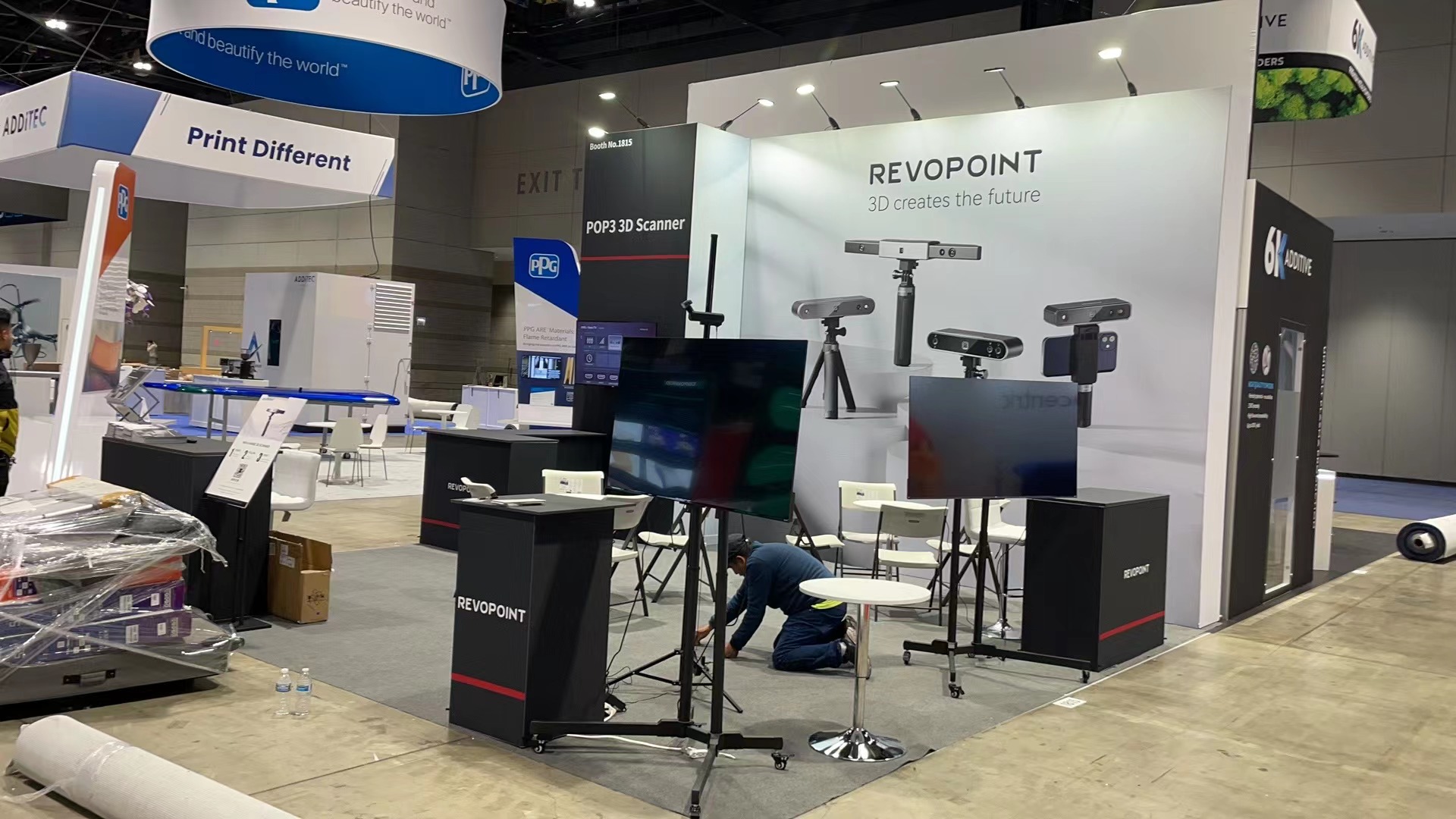 RAPID and TCT America Stand De Nov 14,2023
-
 RAPID and TCT America Stand De Nov 14,2023
-
 SupplySide Show America Stand Nov 13,2023
-
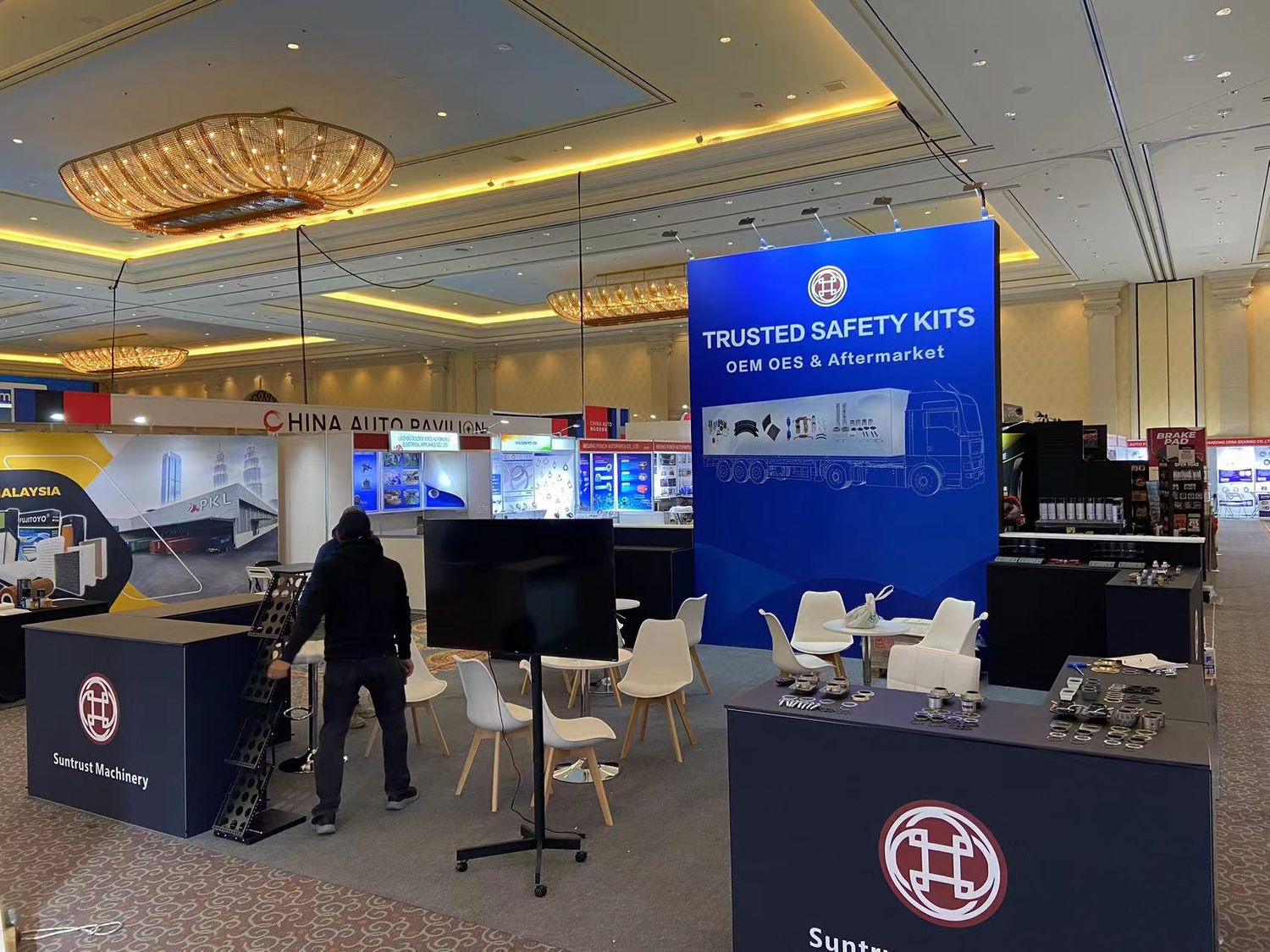 APPEX America Stand Design an Nov 01,2023
-
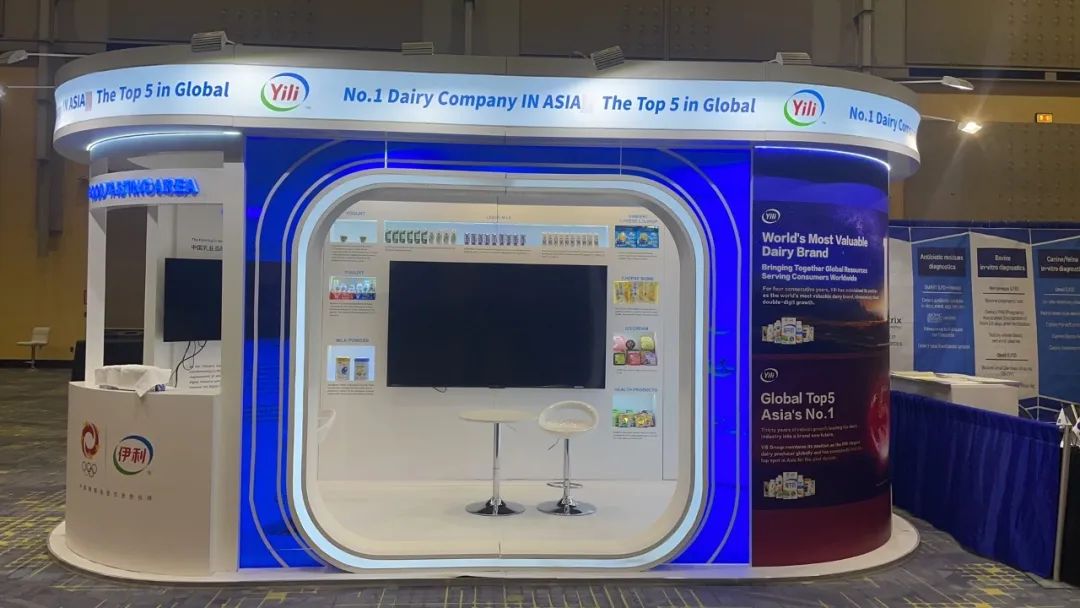 2023idf Stand Design and Build Oct 31,2023