How to Build a Cost Effective German Exhibition Booth on a Budget: Save Up to 50% Strategies for Maximizing Impact While Minimizing Costs
Participating in German trade fairs is a golden opportunity for businesses to expand their global reach. However, exhibition booth construction often consumes a significant portion of budgets. With strategic planning and innovative approaches, you can reduce costs by up to 50% without compromising quality. Below are actionable insights to achieve this goal.
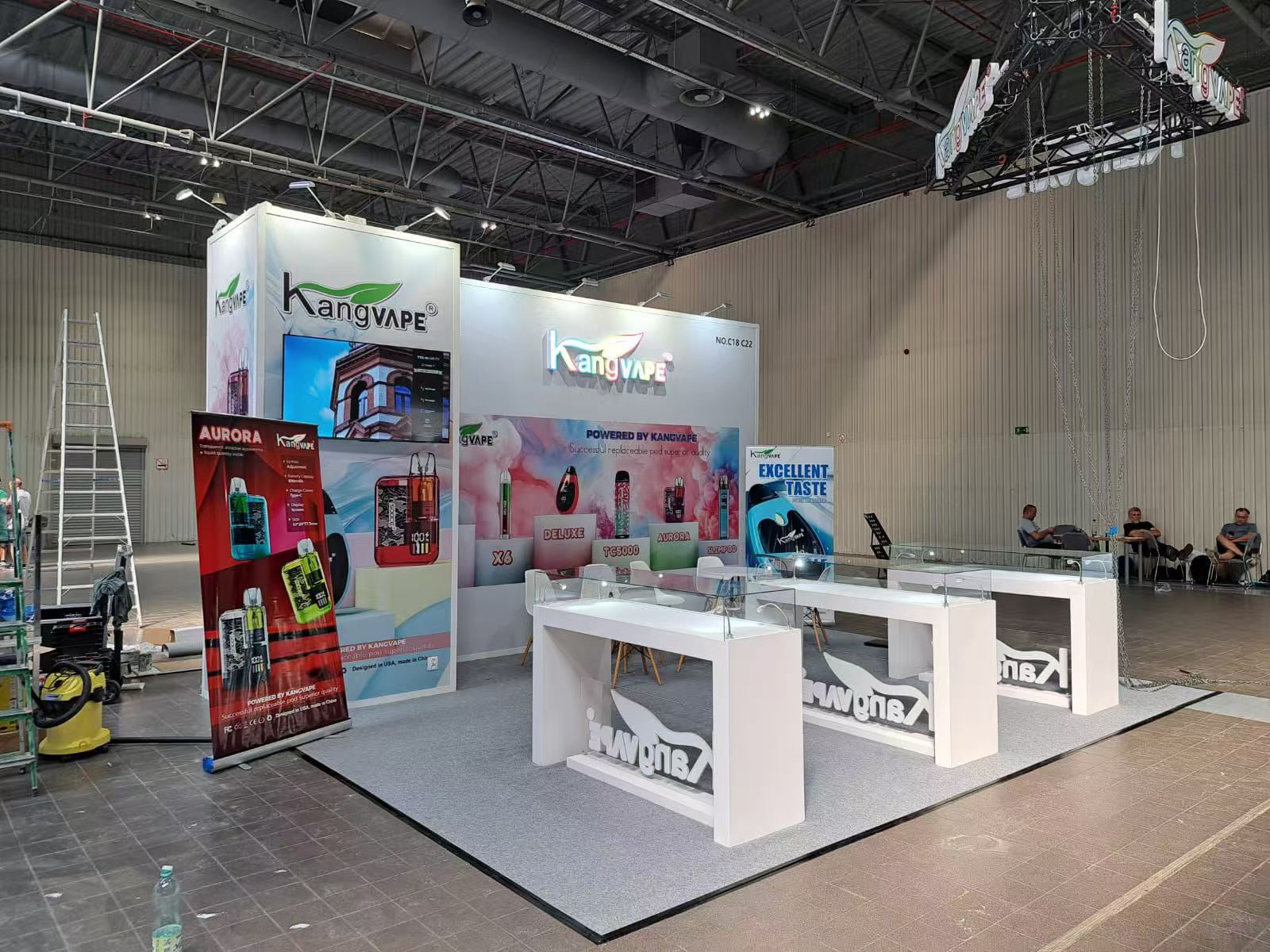
1. Join a German Joint Pavilion
Collaborative participation in joint pavilions, such as those organized by the German Chamber of Commerce (AHK Greater China), offers substantial savings. For example, in the 2022 China International Import Expo (CIIE), 12 German companies shared a 987 sqm space, splitting expenses for logistics, marketing, and booth construction. Benefits include:
Shared resources: Split costs for design, construction, and promotional materials.
Enhanced visibility: Leverage collective branding and media exposure (e.g., press releases, on-site events).
Logistical efficiency: Centralized coordination reduces transportation and labor expenses.
2. Opt for Modular and Reusable Designs
Adopting modular booth components is a cornerstone of cost reduction. Bellatrum, a leading German exhibition booth builder, emphasizes designs that prioritize flexibility and reusability. Key advantages:
Reduced material waste: Modular systems like lightweight aluminum frames can be reconfigured for multiple events.
Lower storage costs: Compact designs minimize post-event storage fees.
Faster setup: Pre-fabricated components cut down on installation time and labor.
Case in point: ABB Automation’s gearless conveyor systems reduced maintenance costs by 50% through modular engineering principles—a concept applicable to booth construction.
3. Leverage Local Suppliers and Sustainable Materials
Sourcing materials locally in Germany slashes transportation costs and supports sustainability goals. For instance:
Local partnerships: Collaborate with German suppliers for printing, lighting, and furniture. This avoids import tariffs and delays.
Eco-friendly materials: Use recycled or recyclable materials (e.g., biodegradable signage) to align with Germany’s strict environmental regulations.
The Supplier Development Team at BSH Home Appliances highlights how localized procurement and lean manufacturing principles cut production costs by 25%—a model adaptable to booth construction.
4. Simplify Design with Digital Integration
A minimalist booth design paired with digital tools can lower expenses while enhancing engagement:
Virtual displays: replace physical prototypes with augmented reality (AR) or interactive screens to showcase products.
Cost-effective branding: Use high-resolution digital banners instead of custom-built structures.
Energy-efficient lighting: LED panels reduce power consumption and operational costs.
5. Plan Early and Negotiate Smartly
Proactive planning avoids last-minute price surges. Key steps:
Book early: Secure discounts from booth builders and logistics providers by finalizing contracts 6–12 months in advance.
Bulk purchasing: Negotiate volume discounts for materials like flooring, furniture, and AV equipment.
Hybrid solutions: Combine DIY elements (e.g., self-printed graphics) with professional services for balance.
Building a budget-friendly German exhibition booth requires creativity, collaboration, and meticulous planning. By joining joint pavilions, adopting modular designs, sourcing locally, and integrating digital tools, businesses can slash costs by 50% while delivering a polished, professional presence. Partnering with experienced builders like Bellatrum ensures compliance with German standards and maximizes value.
Recent News
-
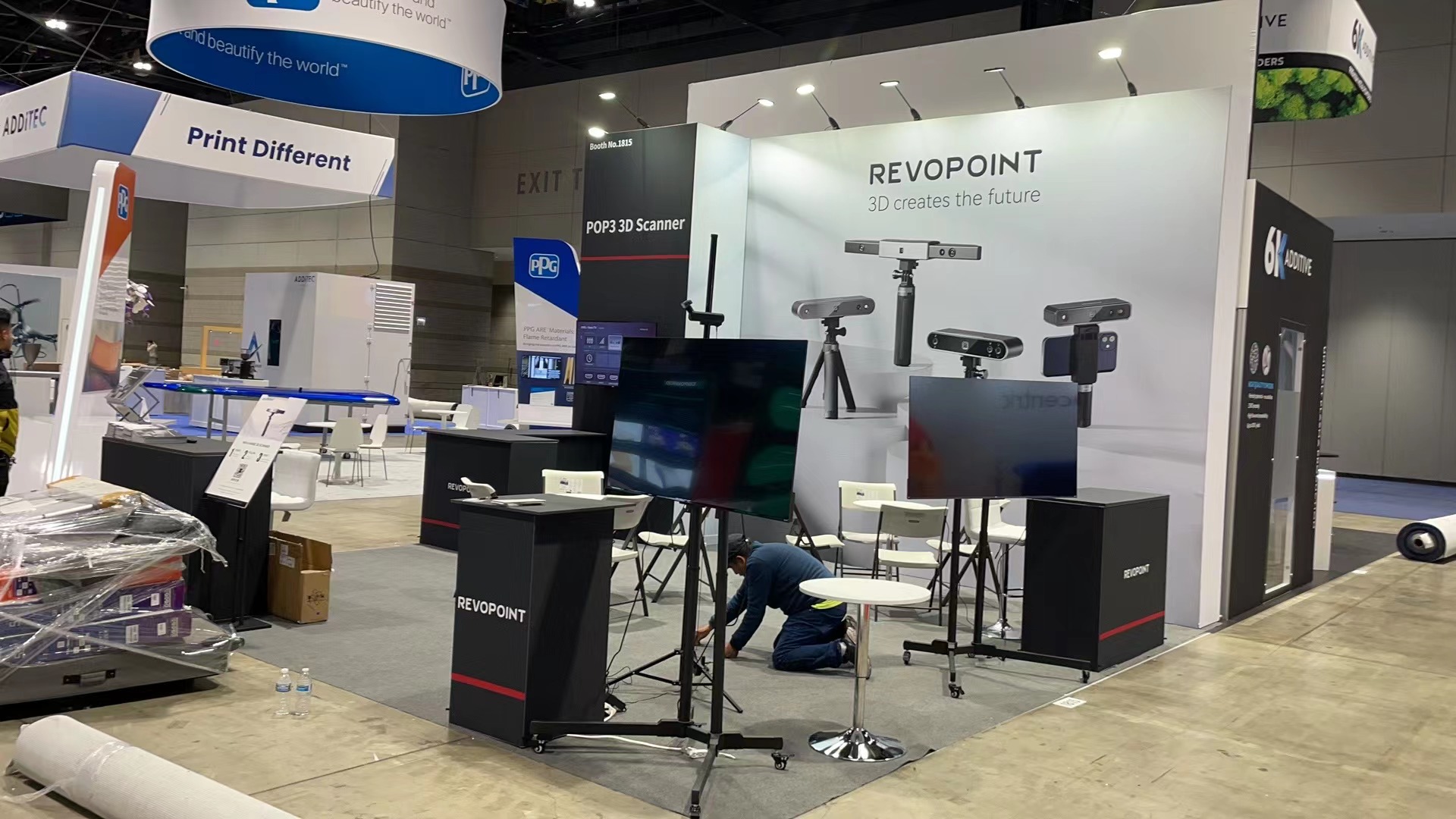 RAPID and TCT America Stand De Nov 14,2023
-
 RAPID and TCT America Stand De Nov 14,2023
-
 SupplySide Show America Stand Nov 13,2023
-
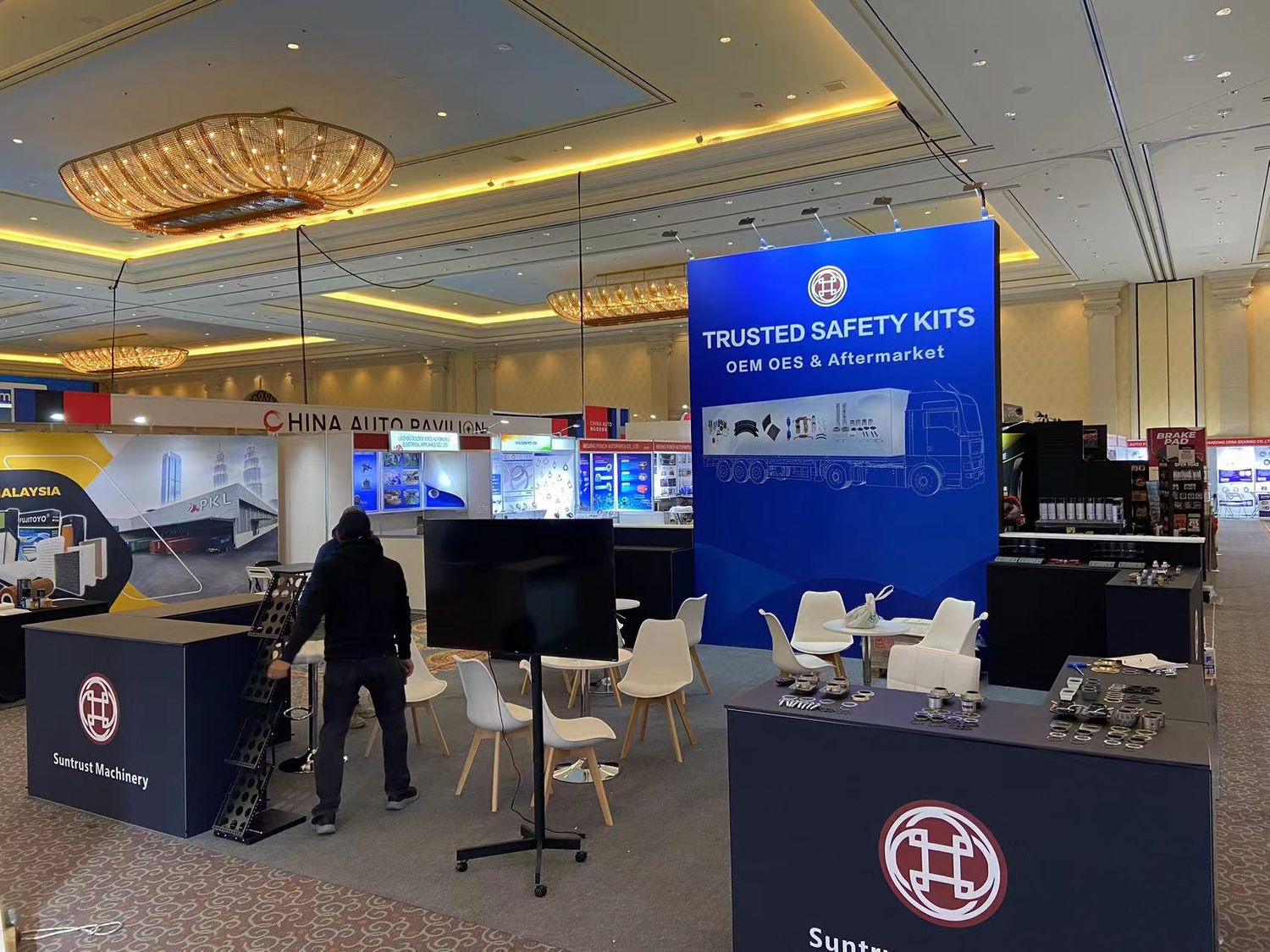 APPEX America Stand Design an Nov 01,2023
-
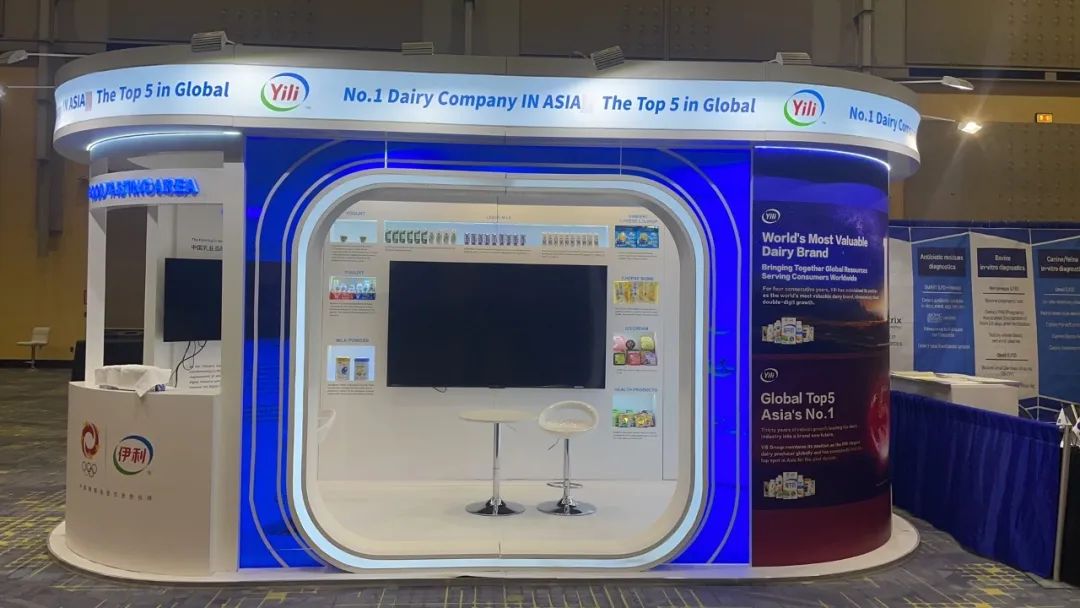 2023idf Stand Design and Build Oct 31,2023