How to Save Costs and Double Your Exhibition Impact in the US: A Smart Guide for Budget-Conscious Businesses
Exhibiting at trade shows in the U.S. is a powerful way to boost brand visibility, generate leads, and connect with industry peers. However, the high costs of booth design, logistics, and labor often deter businesses, especially SMEs, from maximizing their participation. The good news? Strategic planning and resource optimization can help you cut expenses while amplifying your exhibition impact. Below, we break down actionable steps to achieve cost-effective success.
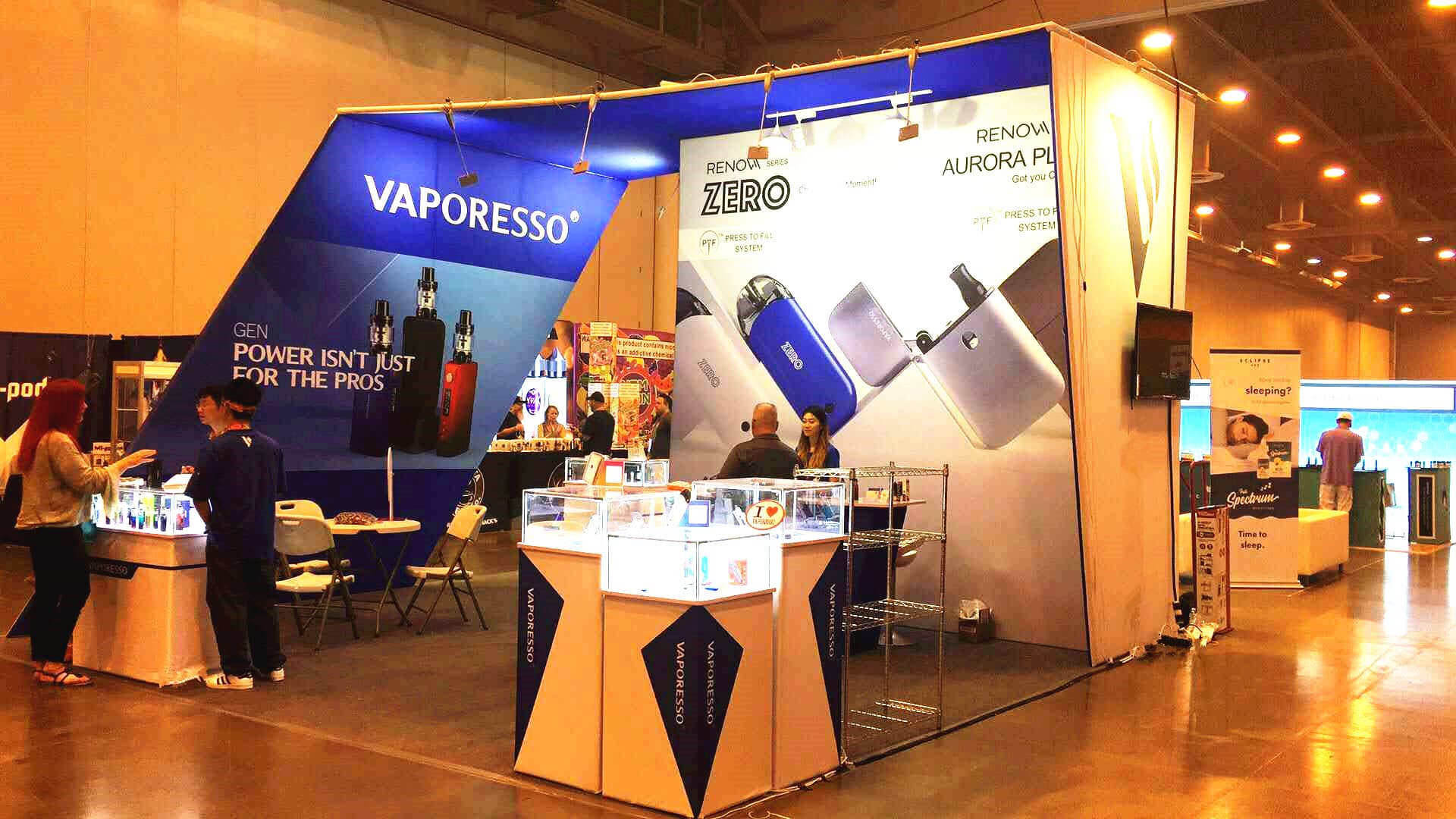
1. Plan Ahead: Early Bird Strategies Save Money
Key Insight: Last-minute decisions inflate costs. Start planning 6–12 months before the event.
Book Early: Securing your booth location in advance often unlocks discounts (up to 15–20% off standard rates). Prime spots near entrances or main aisles attract more foot traffic, enhancing ROI without extra marketing spend.
Negotiate with Vendors: Collaborate with experienced U.S.-based exhibition agencies (e.g., New Power Expo or Yoodon Exhibition) to negotiate bundled services, such as discounted design fees or waived transport surcharges.
Budget Allocation: Define priorities early. Allocate 40% to booth construction, 25% to logistics, 20% to marketing, and 15% as a contingency fund.
2. Simplify Design Without Sacrificing Impact
Key Insight: Complexity ≠ Effectiveness. Focus on functionality and brand clarity.
Modular Designs: Opt for reusable, modular structures. These reduce material waste, save 30–50% on long-term costs, and allow quick assembly (1–2 days vs. 5–10 days for custom builds). Example: A 36–72㎡ booth with foldable panels and LED lighting can cost 18,000–30,000, half the price of a fully custom setup.
Strategic Layouts: Use open sightlines and minimal clutter. Highlight 2–3 core products instead of overcrowding the space. A 10x10 ft (9.3㎡) booth with clean branding and interactive screens can cost just 5,000–10,000.
Cost-Effective Materials: Choose lightweight aluminum, recyclable PVC, or digital prints over premium wood/stone. Mid-tier materials balance durability and affordability, slashing material costs by 20–40%.
3. Optimize Logistics and Labor Costs
Key Insight: Local partnerships and timing are game-changers.
Local Sourcing: Partner with U.S.-based vendors to avoid cross-country shipping fees. For example, transporting materials from China to the U.S. can add $10,000+ to your budget. Local suppliers also reduce delays and customs hassles.
Off-Peak Scheduling: Avoid peak seasons (e.g., Q4 holidays) when labor rates spike. Skilled U.S. workers charge 20–80/hour; booking mid-week or during slower months can lower rates by 10–15%.
Efficient Labor Use: Hire a compact, experienced team. A 100㎡ booth built by 4–6 workers over 3 days costs ~5,000–8,000 vs. $15,000+ for a larger crew.
4. Leverage Digital Tools for Pre-Show Engagement
Key Insight: Drive pre-event buzz to maximize on-site conversions.
VR Previews: Use virtual reality to finalize designs remotely, avoiding costly last-minute changes. Agencies like Pront Expo offer VR consultations for 500–1,500.
Social Media Campaigns: Promote your booth via LinkedIn, Instagram, or TikTok. Teasers with hashtags like #YourBoothNumber or #EventName can boost pre-registrations by 30%.
Interactive Apps: Deploy QR codes or AR displays to showcase product demos digitally, reducing the need for physical samples and staff.
5. Smart Marketing: Attract Crowds Without Breaking the Bank
Key Insight: Engagement beats extravagance.
Live Demos and Games: Simple activities like spin-the-wheel giveaways or product trials cost under $1,000 but increase dwell time by 50%. Example: A tech firm offering VR headset trials saw 200+ qualified leads per day.
Strategic Partnerships: Share booth space with complementary brands. Splitting a 100㎡ area ($50,000+) with a non-competitor halves costs while doubling audience reach.
Data Capture Tools: Use tablets for lead generation instead of paper forms. Apps like Expo Leads cost $200/month but streamline follow-ups and reduce manual work.
6. Post-Show Follow-Up: Turn Leads into Sales
Key Insight: 80% of exhibitors fail to capitalize on post-event opportunities.
Immediate Outreach: Contact leads within 48 hours. Personalized emails referencing booth conversations boost conversion rates by 25%.
Cost Tracking: Analyze ROI using metrics like cost per lead (CPL) and sales closed. Example: A 30,000boothgenerating150,000 in sales delivers a 400% ROI.
Reuse Materials: Store modular components for future events. Reusing a 15,000booth3–4timescutsper−eventcoststo3,750–$5,000.
Quality Over Quantity Wins
A high-impact U.S. exhibition doesn’t require a six-figure budget. By prioritizing modular designs, local resources, digital engagement, and strategic follow-ups, businesses can slash costs by 30–50% while doubling lead generation. Remember: Success hinges on clarity, creativity, and meticulous planning—not the size of your budget.
Recent News
-
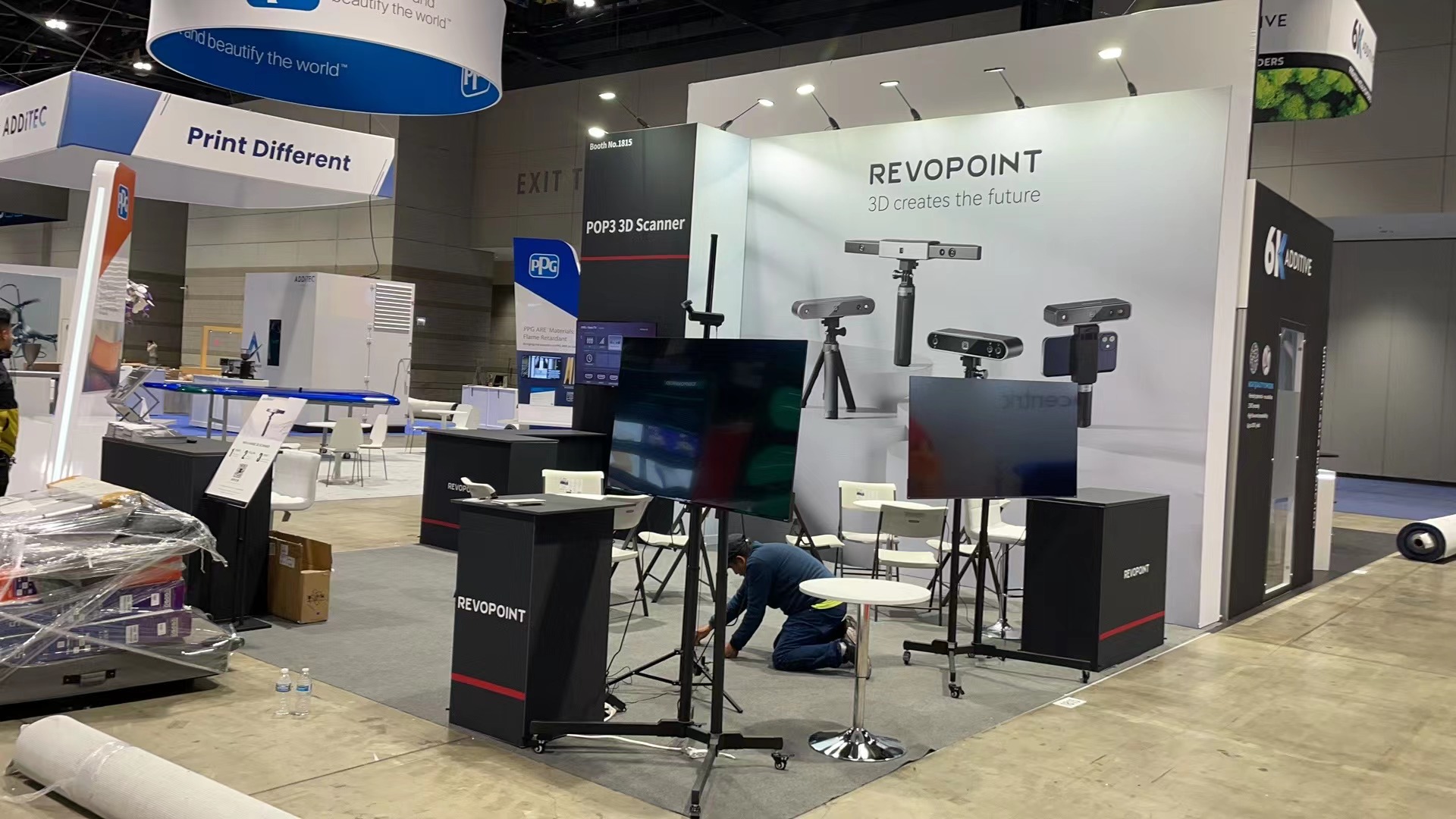 RAPID and TCT America Stand De Nov 14,2023
 -
 RAPID and TCT America Stand De Nov 14,2023
 -
 SupplySide Show America Stand Nov 13,2023
 -
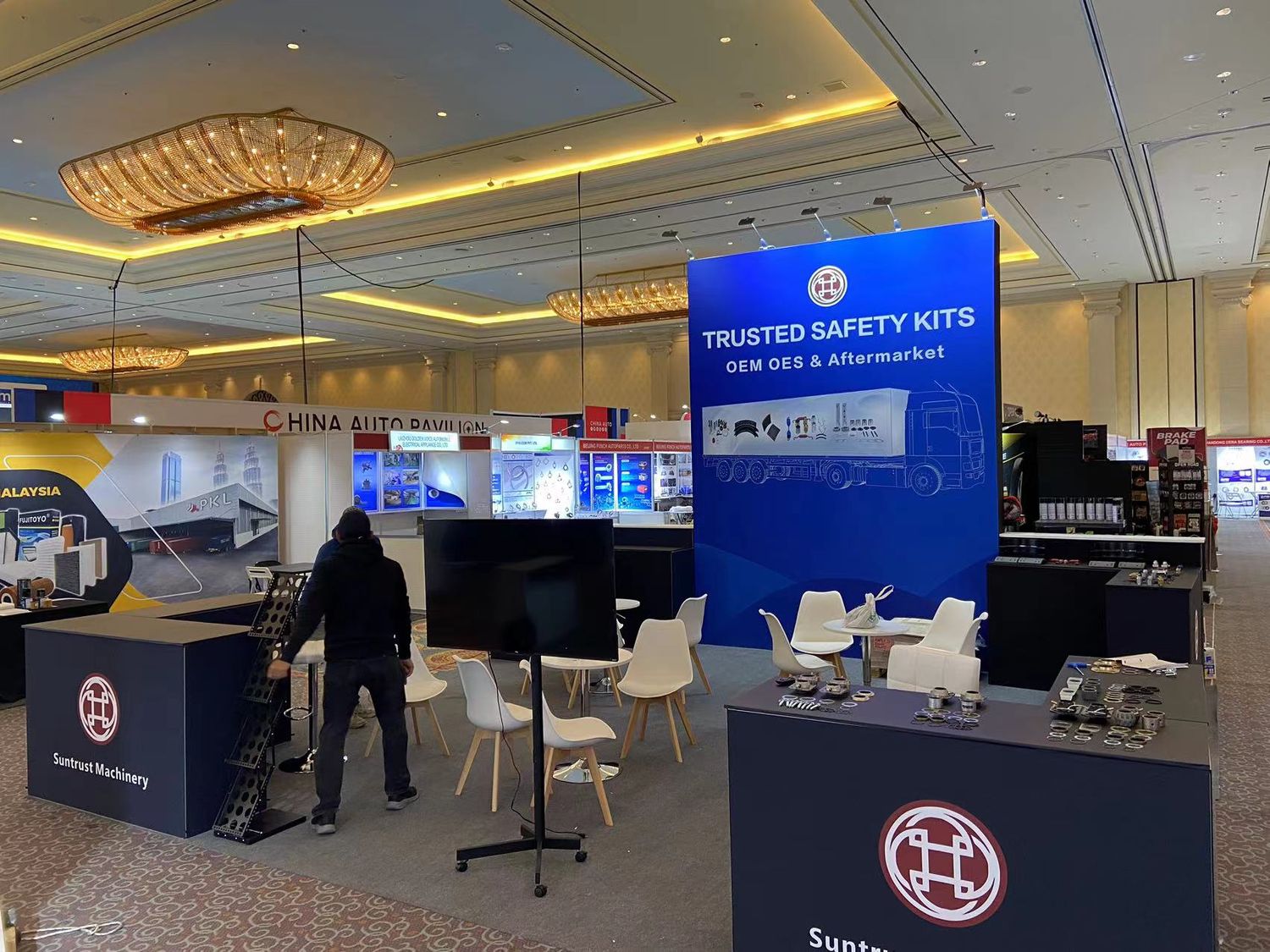 APPEX America Stand Design an Nov 01,2023
 -
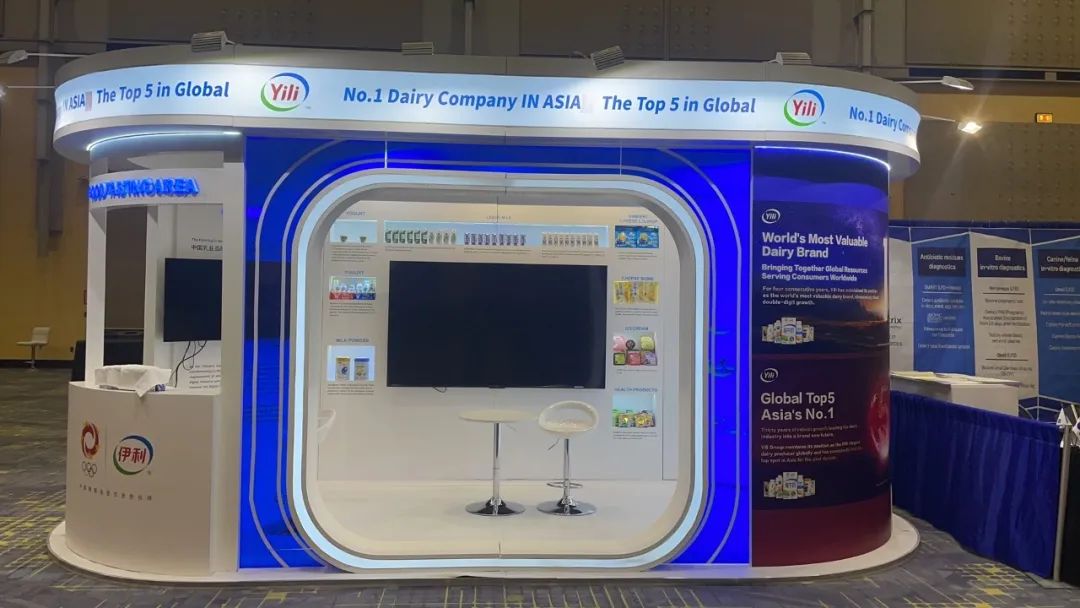 2023idf Stand Design and Build Oct 31,2023