Title: How Modular Technology Accelerates Norwegian Booth Construction by 30%: The Truth Behind the Efficiency
The exhibition industry in Norway has witnessed a revolutionary shift, with leading companies like New Power Exhibitions achieving 30% faster booth construction compared to traditional methods. The secret? Modular technology—a game-changer redefining efficiency, sustainability, and creativity in booth design. Let’s uncover how this innovation works and why it’s transforming Norway’s exhibition landscape.
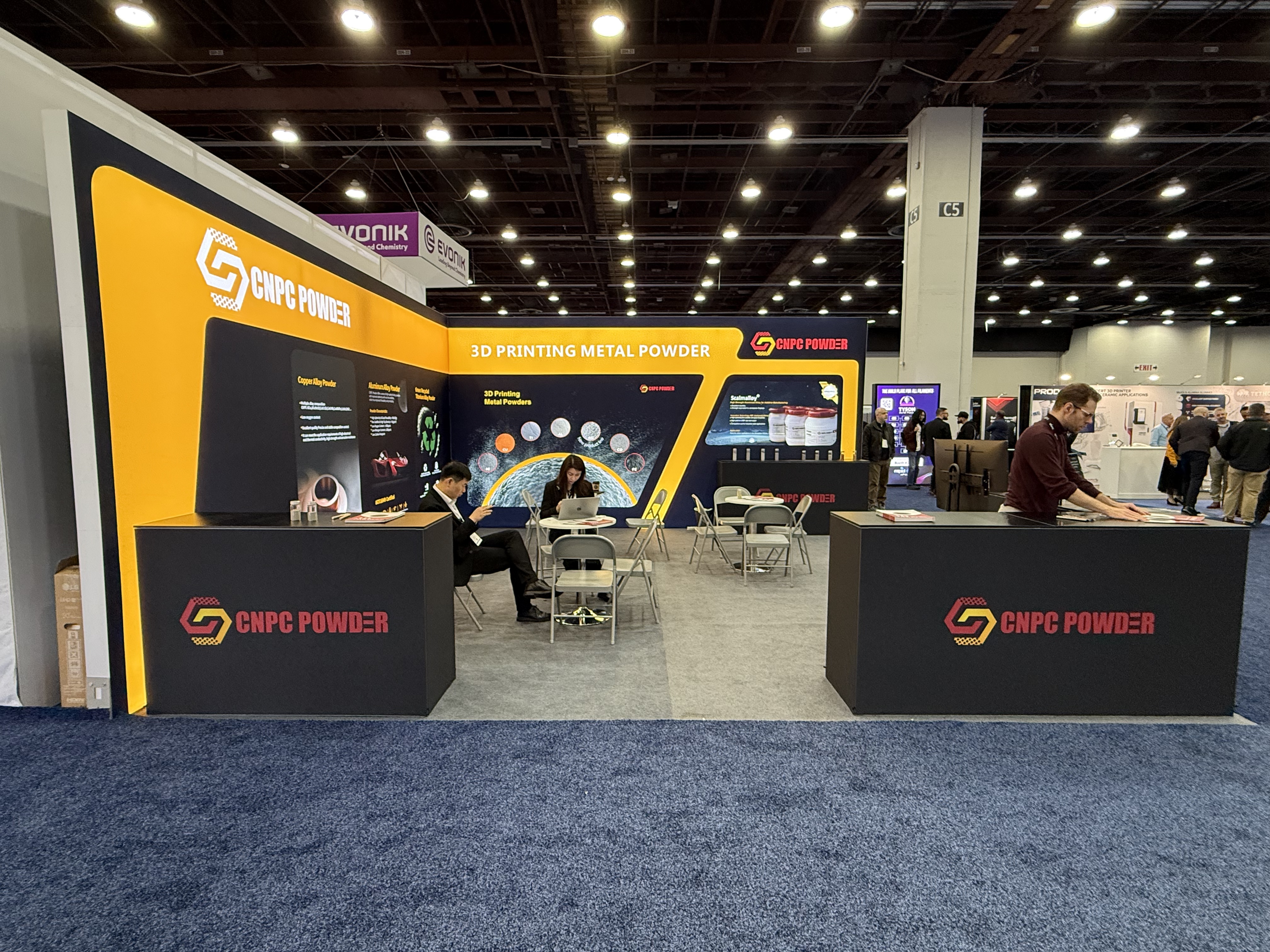
1. Prefabrication: The Backbone of Speed
Modular technology relies on prefabricated components manufactured in controlled factory environments. For example, New Power Exhibitions uses 32 standardized modules—including frames, lighting, and screen interfaces—pre-assembled with precision. These units are made from lightweight aluminum alloys, reducing weight by 40% while maintaining structural integrity. On-site, teams simply connect these modules like LEGO blocks, slashing assembly time from 2 days to just 8 hours. This approach eliminates unpredictable delays caused by weather or manual errors, ensuring deadlines are met seamlessly.
2. Flexibility Meets Creativity
Critics often argue that modular designs limit creativity, but Norway’s success stories prove the opposite. Advanced parametric design systems allow 200+ configuration options for each module. At the Oslo International Design Expo, a three-tier floating booth was built using modular trusses, achieving 40% greater stability than traditional steel frames. Designers can focus on immersive experiences rather than structural constraints, blending aesthetics with functionality effortlessly.
3. Cost Efficiency & Sustainability
Modular booths cut costs through standardized logistics and reusable materials. By optimizing packaging, transportation volume drops by 60%, reducing logistics costs by 25%. Partnerships with local warehouses in Norway enable clients to rent generic modules, eliminating cross-border shipping fees—a strategy that saved 37 SMEs over €800k in 2024. Environmentally, 90% material reuse rates and recyclable aluminum reduce waste by 75% compared to disposable wooden structures. Such eco-friendly practices align with Norway’s strict sustainability standards, even earning clients “Green Exhibitor” awards.
4. Smart Integration & Future Trends
Norway’s modular systems are evolving with IoT integration for real-time monitoring of lighting, temperature, and visitor engagement. This data-driven approach helps exhibitors optimize interactions and reduce energy consumption. Looking ahead, innovations like AI-assisted design tools and biodegradable connectors will further enhance efficiency and environmental performance.
A Blueprint for Global Exhibitions
Norway’s 30% efficiency leap isn’t just about speed—it’s a holistic strategy combining modular engineering, localized services, and sustainability. As exhibitions demand faster turnarounds and greener solutions, modular technology offers a scalable, cost-effective model. For businesses targeting Nordic markets, adopting this approach isn’t an option; it’s a necessity to stay competitive.
Recent News
-
 RAPID and TCT America Stand De Nov 14,2023
-
 RAPID and TCT America Stand De Nov 14,2023
-
 SupplySide Show America Stand Nov 13,2023
-
 APPEX America Stand Design an Nov 01,2023
-
 2023idf Stand Design and Build Oct 31,2023