How Modular Design Reduces French Exhibition Booth Costs by 50%: A Strategic Breakdown
In the competitive world of exhibition design, modular construction has emerged as a game-changer, enabling French brands to slash booth-building costs by up to 50% while enhancing flexibility and sustainability. Here’s how this innovative approach revolutionizes exhibition spaces:

1. Prefabricated Components: Minimizing Waste, Maximizing Efficiency
Modular design relies on standardized, factory-produced modules—such as lightweight aluminum frames, prefabricated panels, and reusable display walls—that are assembled on-site. By eliminating custom fabrication for each project, brands reduce material waste and labor expenses. For instance, KOHO’s award-winning office-exhibition hybrid space (2025 French Design Gold Award winner) utilized modular elements like sculptural staircases and geometric wall systems, cutting costs through precise off-site manufacturing.
2. Rapid Assembly: Cutting Time and Labor Costs
Traditional booth construction often requires weeks of on-site work, but modular systems streamline assembly. For example, a French tech firm reduced setup time by 40% using plug-and-play modules like collapsible walls and pre-wired lighting grids. This efficiency translates to lower labor fees and minimized venue rental periods. Research shows modular projects can finish 30–50% faster than conventional methods.
3. Reusability and Adaptability
Modular booths are designed for multiple cycles. Components like interchangeable graphic panels or reconfigurable shelving systems can be repurposed across events, avoiding the need for new investments. A case study from Dubai’s MIC elevator project demonstrated how standardized modules reduced long-term costs by 60%. Brands like IKEA have long leveraged this flexibility, proving its scalability for exhibitions.
4. Digital Integration: Reducing Physical Overhead
Replacing costly physical props with digital displays further slashes budgets. Interactive screens, AR/VR setups, and projection mapping can dynamically showcase products while eliminating expenses for custom-built models. For example, a Spanish modular villa exhibition used LED walls to simulate environments, saving 30% on traditional décor costs.
5. Sustainability: A Cost-Saving Bonus
Modular design aligns with circular economy principles. Materials like recyclable aluminum or biodegradable composites minimize waste disposal fees. The "Seed Pavilion" concept, where booth materials convert into plantable packaging post-event, highlights how sustainability drives financial efficiency.
Modular design isn’t just a trend—it’s a financially and environmentally smart strategy. By prioritizing prefabrication, reusability, and digital innovation, French exhibitors achieve dramatic cost reductions without compromising quality. As the 2025 French Design Awards highlight, this approach balances artistry with practicality, proving that smart design is the ultimate ROI multiplier.
Recent News
-
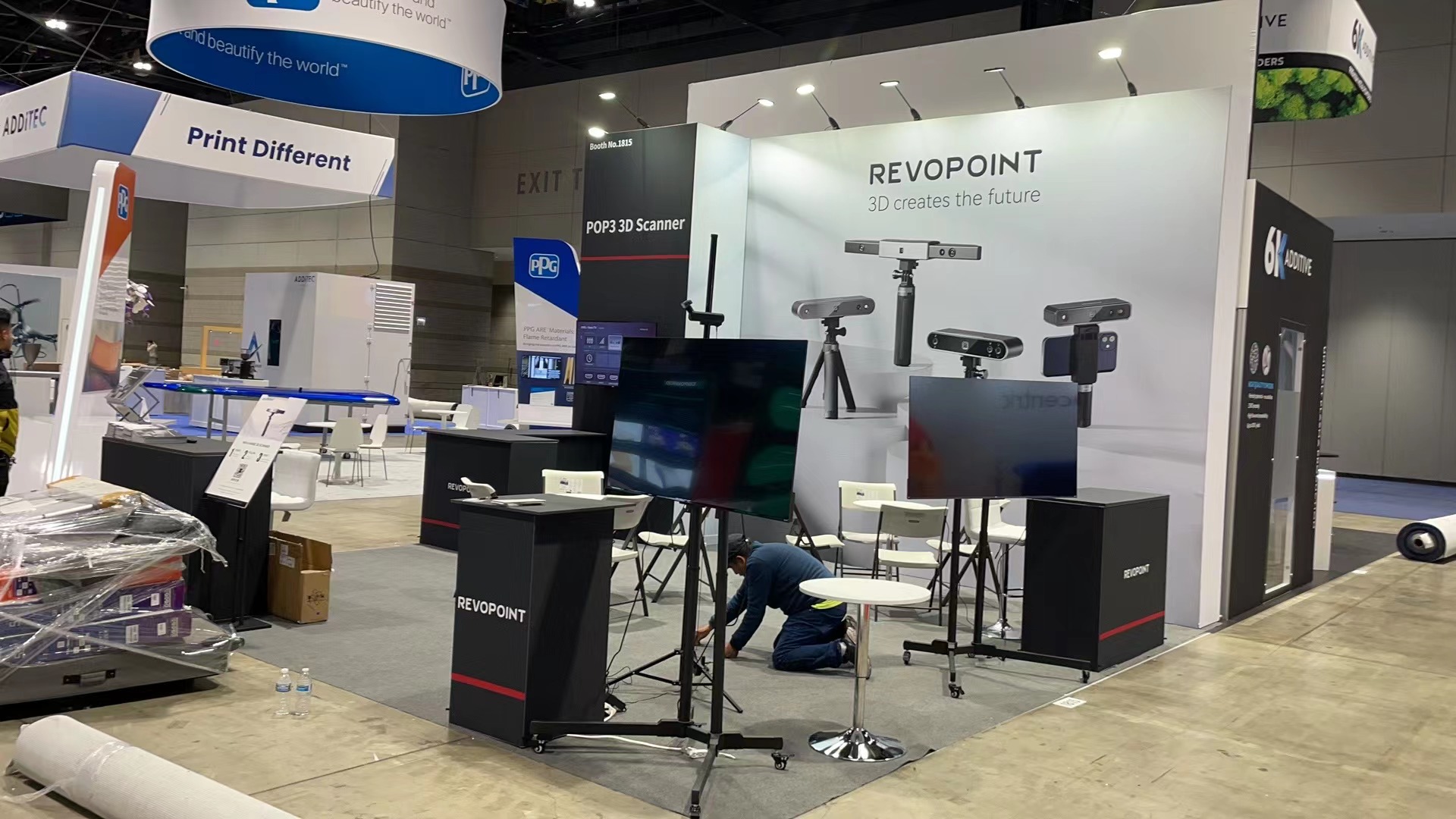 RAPID and TCT America Stand De Nov 14,2023
-
 RAPID and TCT America Stand De Nov 14,2023
-
 SupplySide Show America Stand Nov 13,2023
-
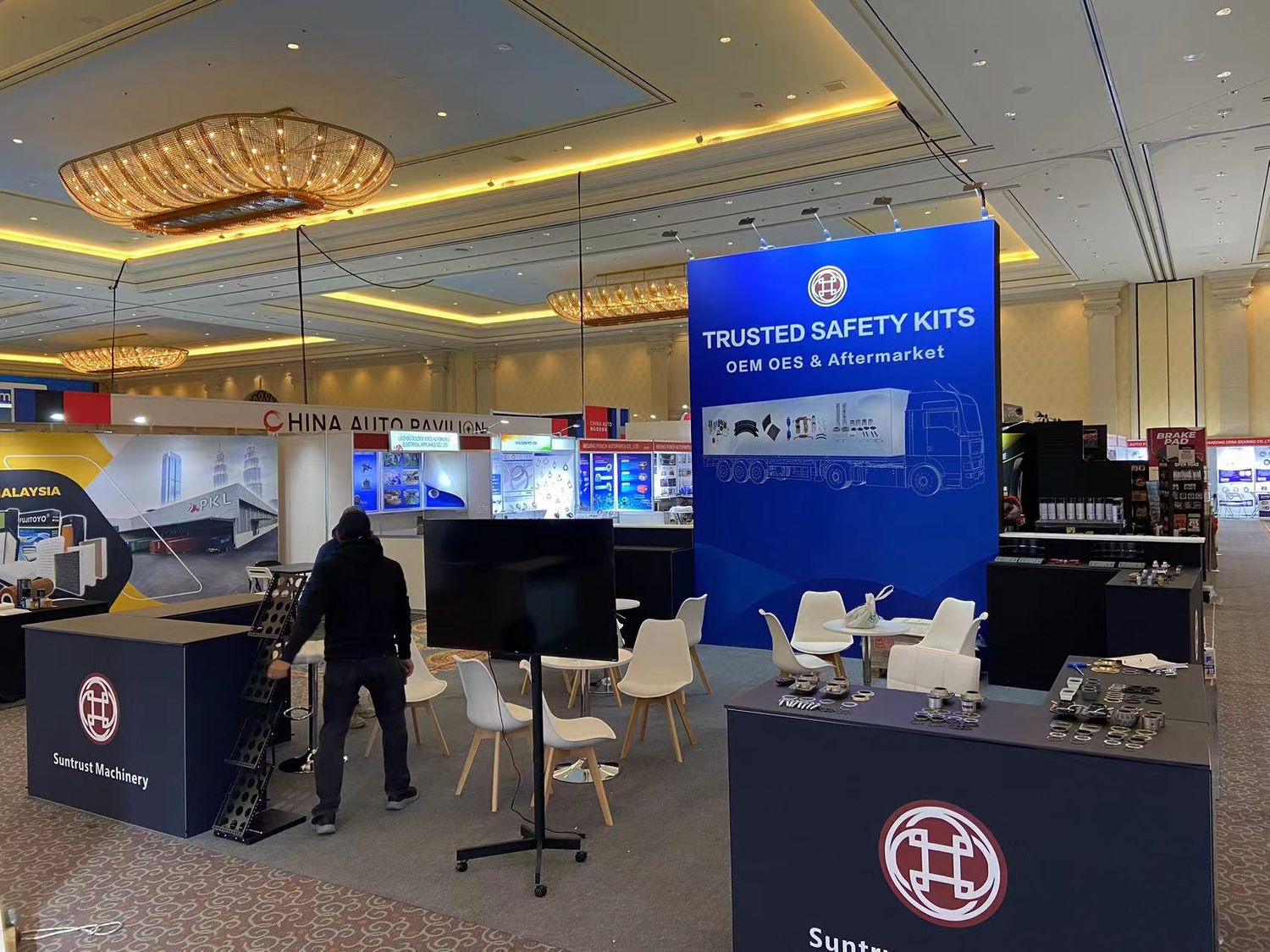 APPEX America Stand Design an Nov 01,2023
-
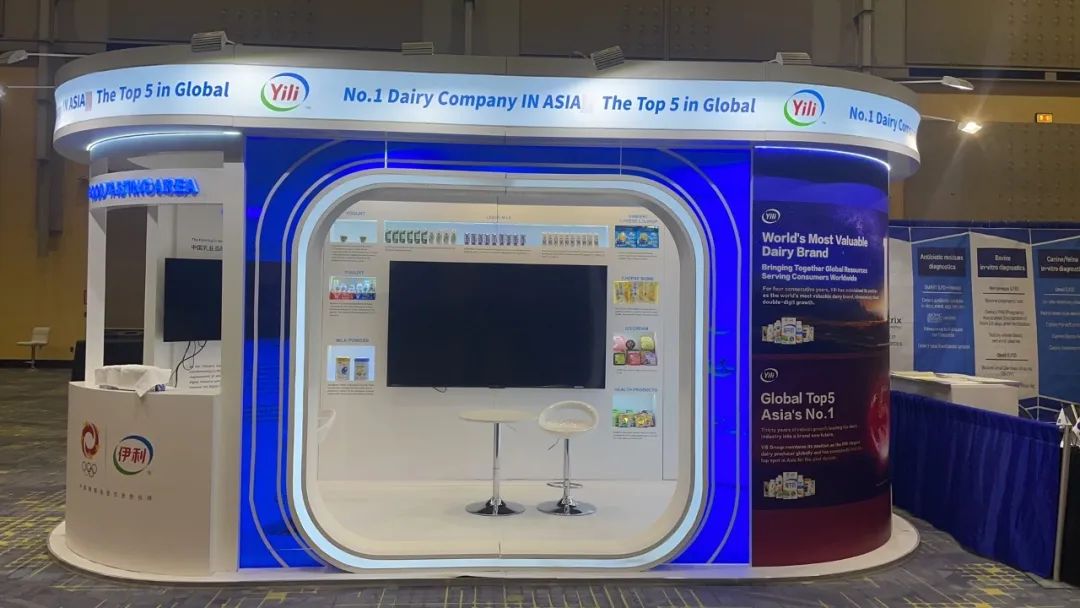 2023idf Stand Design and Build Oct 31,2023