How to Balance Quality and Cost in Italian Exhibition Booth Design: 5 Proven Strategies
Italy is a global hub for prestigious exhibitions like Milan Design Week and TECNA EXPO, where brands compete to showcase innovation while managing budgets. Balancing high-quality design with cost efficiency requires strategic planning. Here’s how to achieve both:

1. Optimize Budget Allocation with the 50/30/20 Rule
Allocate 50% of your budget to core materials and labor, 30% to modular design and technology integration, and 20% to logistics and contingencies. For example:
Design costs (15-20%): Prioritize modular layouts that adapt to multiple venues. A reusable framework can reduce long-term expenses by 50%.
Material costs (40%): Source locally to cut import fees. Italian marble and glass are 10-20% cheaper than imported alternatives. Rent high-impact elements like LED screens (40% cheaper than purchasing).
Contingency fund (5-10%): Address unexpected costs like overtime labor (2x hourly rates on Italian holidays).
2. Embrace Modular and Sustainable Design
Modular systems reduce waste and logistics costs. For instance, lightweight aluminum frames (60% lighter than steel) paired with 3D-printed panels slash assembly time by 40%. Post-exhibition, components can be stored locally for reuse, cutting future shipping costs by 20%. Sustainable materials like fire-retardant EVA foam (replacing wood carvings) also comply with Italy’s strict safety standards (e.g., CE certification).
3. Leverage Technology for Cost-Effective Engagement
Incorporate lightweight tech to enhance interactivity without overspending:
AR/VR experiences: Allocate 15-20% of your budget to virtual try-ons or 3D product demos, boosting visitor dwell time by 50%.
Dynamic lighting: Use LED projections instead of physical decor, reducing material transport costs by €1,500 per ton.
4. Collaborate with Local Partners
Italian contractors understand regional regulations, such as Milan’s RHO Fairground height restrictions (6 meters). Partnering with them minimizes compliance risks and avoids costly redesigns. Pre-negotiate rates with suppliers within 30 km of exhibition hubs (e.g., Milan or Rimini) for faster, cheaper material delivery.
5. Prioritize Cultural Resonance Over Complexity
Italian audiences value heritage. Integrate subtle Renaissance-inspired color schemes or marble textures into minimalist designs. For example, a luxury brand used mirrored surfaces and curved LED walls to evoke Italian artistry at 35% lower cost than traditional setups.
Achieving cost-efficiency in Italian exhibition design hinges on smart budgeting, modular flexibility, and cultural alignment. By combining local expertise, sustainable practices, and strategic tech investments, brands can deliver high-impact booths without compromising quality.
Recent News
-
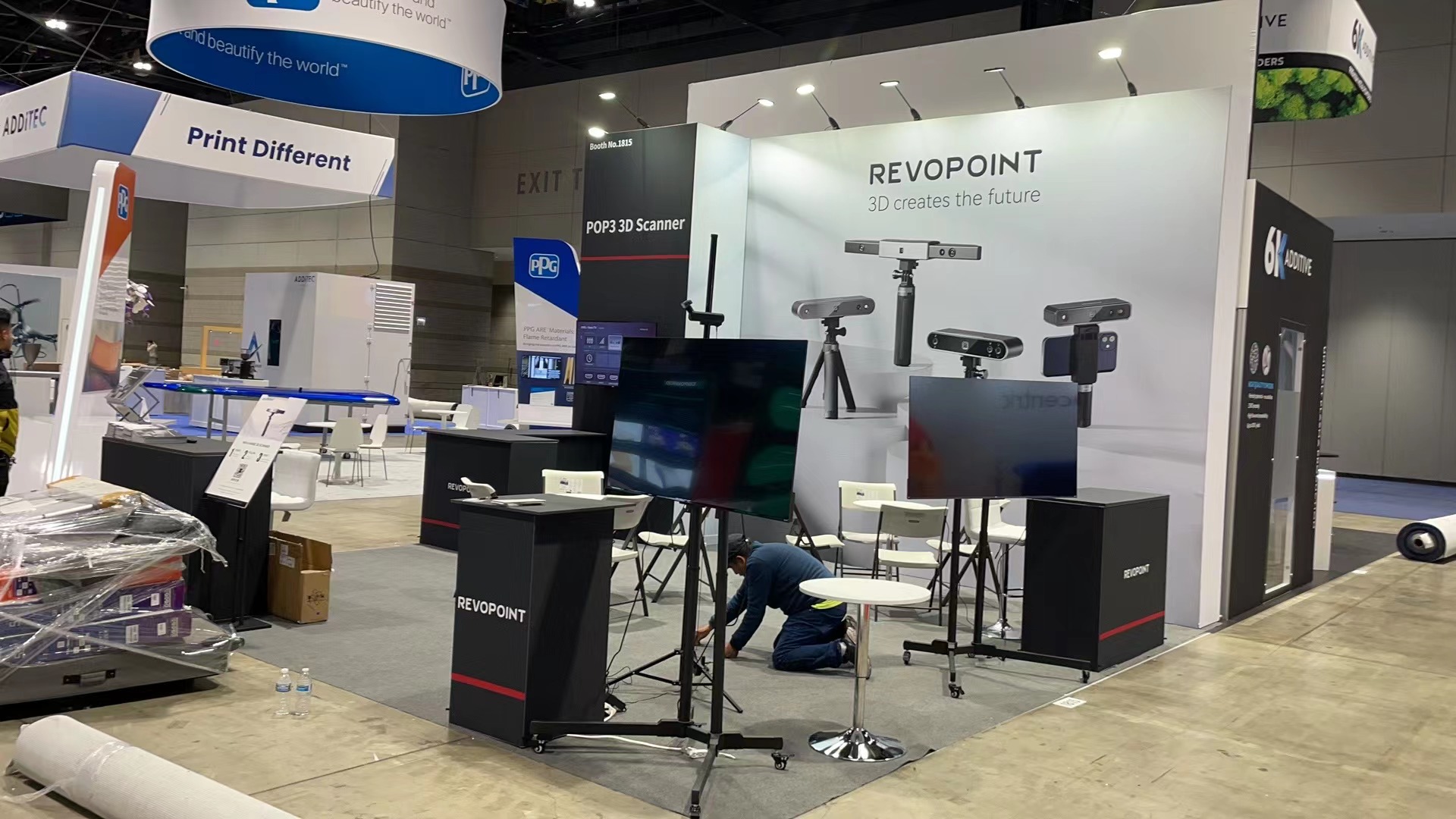 RAPID and TCT America Stand De Nov 14,2023
-
 RAPID and TCT America Stand De Nov 14,2023
-
 SupplySide Show America Stand Nov 13,2023
-
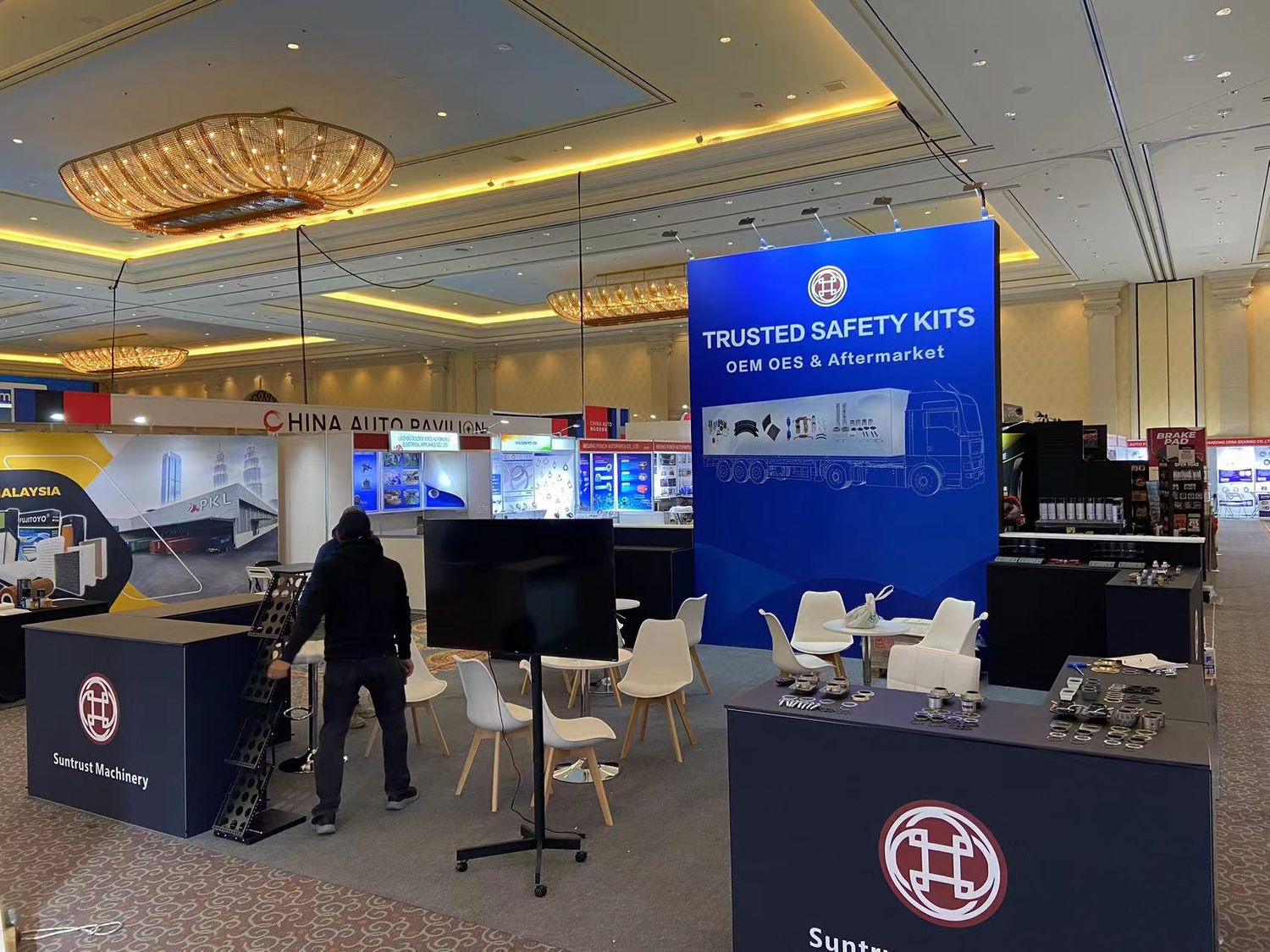 APPEX America Stand Design an Nov 01,2023
-
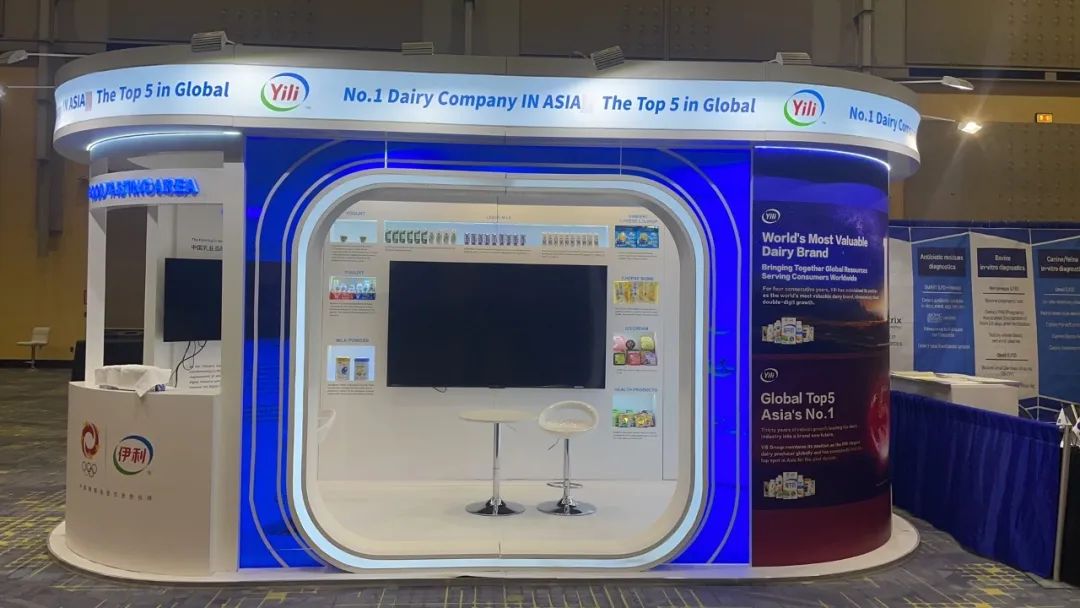 2023idf Stand Design and Build Oct 31,2023