Standard Booth vs. Custom Booth in Russia: How to Choose the Right Exhibition Setup for Your Goals
Exhibiting in Russia offers a gateway to lucrative markets like Moscow and St. Petersburg, but the decision between a standard booth (标摊) and a custom booth (特装) can make or break your ROI. Both options have distinct advantages and limitations, depending on your budget, brand goals, and logistical constraints. Here’s a data-driven guide to help you decide.

1. What Are Standard and Custom Booths?
Standard Booth :
Pre-fabricated, uniform structures (typically 9–18㎡) with basic setups like walls, lighting, and a company sign. Costs are lower (starting at 2,000–5,000), and assembly is quick (1–2 days). Ideal for SMEs or first-time exhibitors prioritizing simplicity.
Custom Booth :
Tailor-made designs built on "raw space" (minimum 36㎡), allowing unique layouts, multi-level structures, and immersive branding. Costs range from 15,000to50,000+, depending on materials and complexity. Best for established brands aiming to showcase innovation or host high-value client meetings.
2. Key Factors to Consider
A. Budget Constraints
Standard Booths Save Upfront Costs:
Avoid design fees, custom materials, and extended labor. For example, a 9㎡ standard booth in Moscow costs ~3,000,whileabasic36㎡customdesignstartsat18,000.
Hidden Costs of Custom Booths:
Include logistics (shipping materials to Russia adds ~10,000+,locallabor(20–$80/hour), and compliance with Russian regulations (e.g., fire safety certifications, height restrictions).
B. Brand Impact and Audience Engagement
Custom Booths Maximize Visibility:
Use open layouts, interactive zones (e.g., VR demos or lounge areas), and striking visuals to attract 50%+ more foot traffic. For example, modular aluminum structures with LED walls can create a "wow" effect while staying reusable.
Standard Booths Limit Creativity:
Uniform designs blend into the crowd. However, strategic additions like branded tablecloths, QR codes, or localized graphics can enhance appeal.
C. Logistics and Local Challenges
Material Sourcing in Russia:
Importing materials (e.g., custom prints or specialty wood) incurs 15–30% tariffs. Partner with local vendors to reduce costs—e.g., Russian PVC prints cost 60–100€/㎡ vs. 10元/㎡ in China.
Labor and Time Efficiency:
Custom booths require 5–10 days for setup, while standard booths take 1–2 days. Delays due to language barriers or permit issues can inflate budgets by 20%.
3. When to Choose a Standard Booth
Limited Budget: Ideal for startups or SMEs allocating <$10,000 for exhibitions.
Short-Term Goals: Focused on lead generation rather than brand storytelling.
Logistical Simplicity: Avoid complex setups in cities with strict regulations (e.g., Moscow’s 2.5m height limit for backwalls).
4. When to Invest in a Custom Booth
High-Stakes Events: Major trade shows like Innoprom or METAL-EXPO, where competitors use immersive designs.
Brand Differentiation: Launching a new product or reinforcing market leadership.
Long-Term ROI: Reusable modular designs (used 3–4 times) cut per-event costs by 60%.
5. Hybrid Strategies for Cost-Effective Impact
Semi-Custom Upgrades: Add modular elements (e.g., portable LED screens or branded furniture) to standard booths for 30% higher engagement.
Local Partnerships: Collaborate with Russian agencies (e.g., New Power Expo) for bundled design-logistics services, saving 15–25%.
Digital Integration: Use QR codes, AR apps, or live-streaming to amplify reach without physical expansions.
6. Conclusion: Align Your Choice with Business Goals
In Russia’s competitive exhibition landscape, standard booths suit cost-conscious exhibitors with straightforward objectives, while custom booths deliver unmatched brand impact for long-term players. Always factor in local logistics, reuse potential, and audience engagement metrics to optimize your investment.
By weighing these factors, you can turn your Russian exhibition into a strategic asset—whether you’re a budget-focused startup or a global brand aiming to dominate the market.
Recent News
-
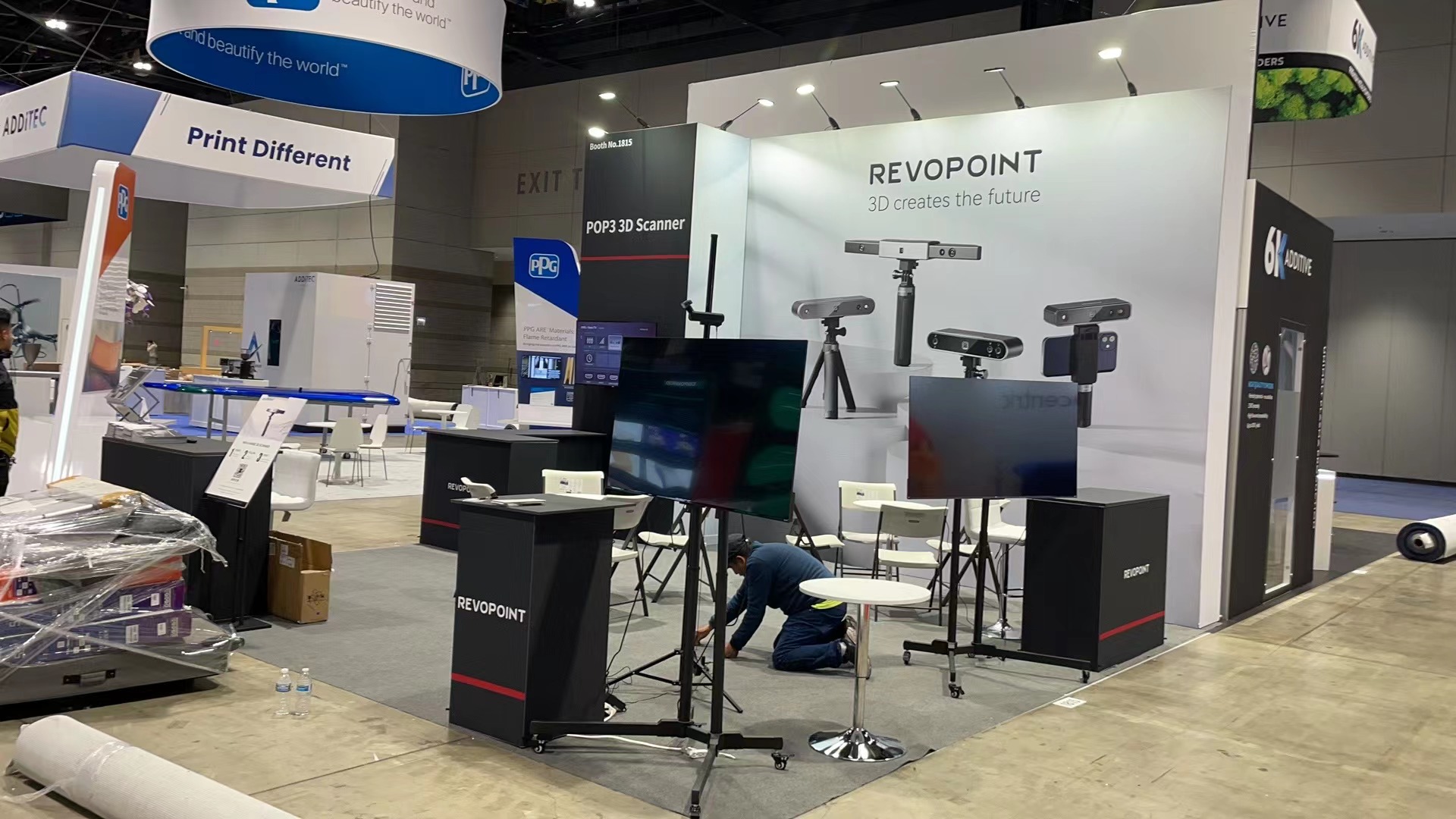 RAPID and TCT America Stand De Nov 14,2023
-
 RAPID and TCT America Stand De Nov 14,2023
-
 SupplySide Show America Stand Nov 13,2023
-
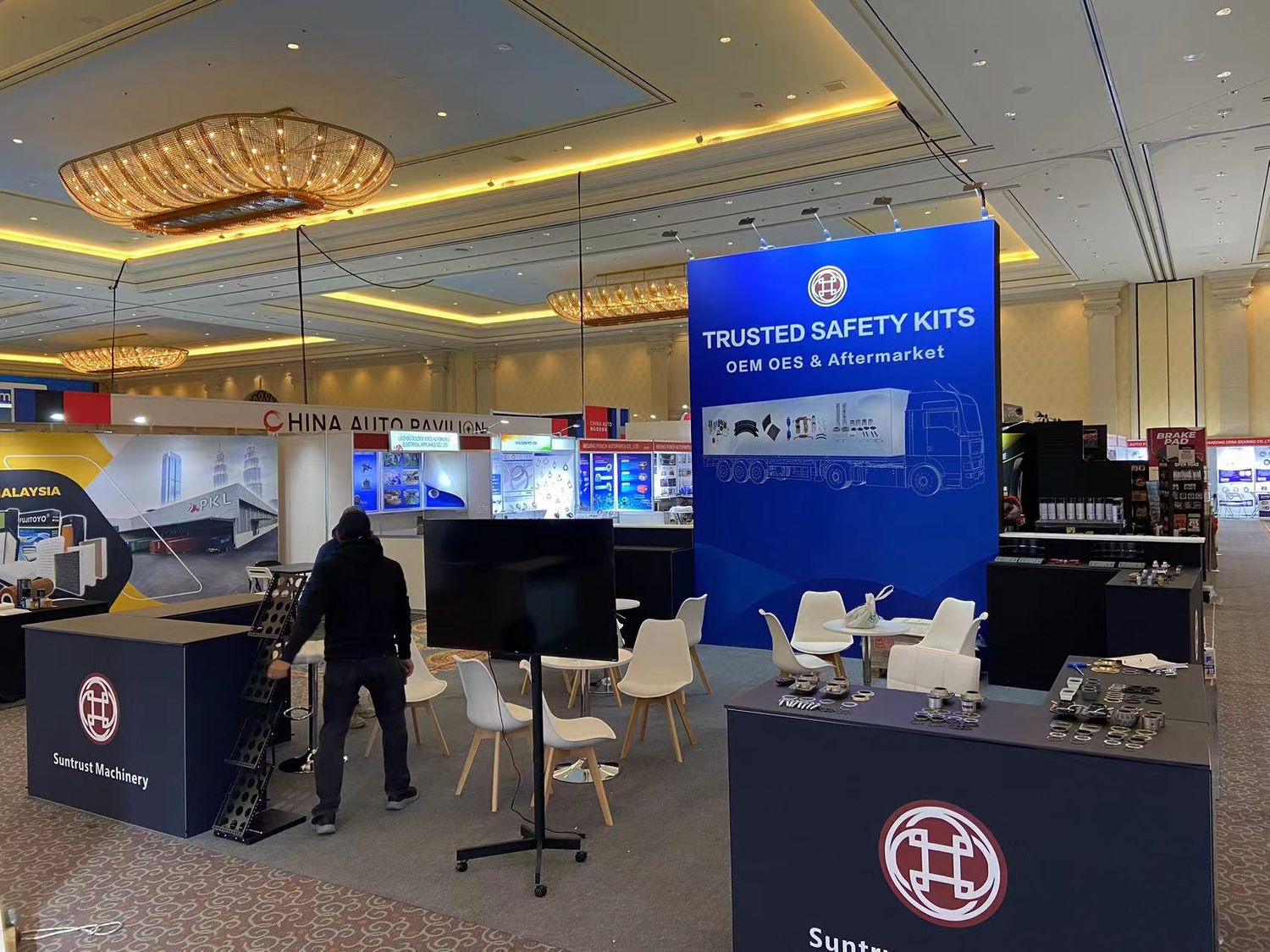 APPEX America Stand Design an Nov 01,2023
-
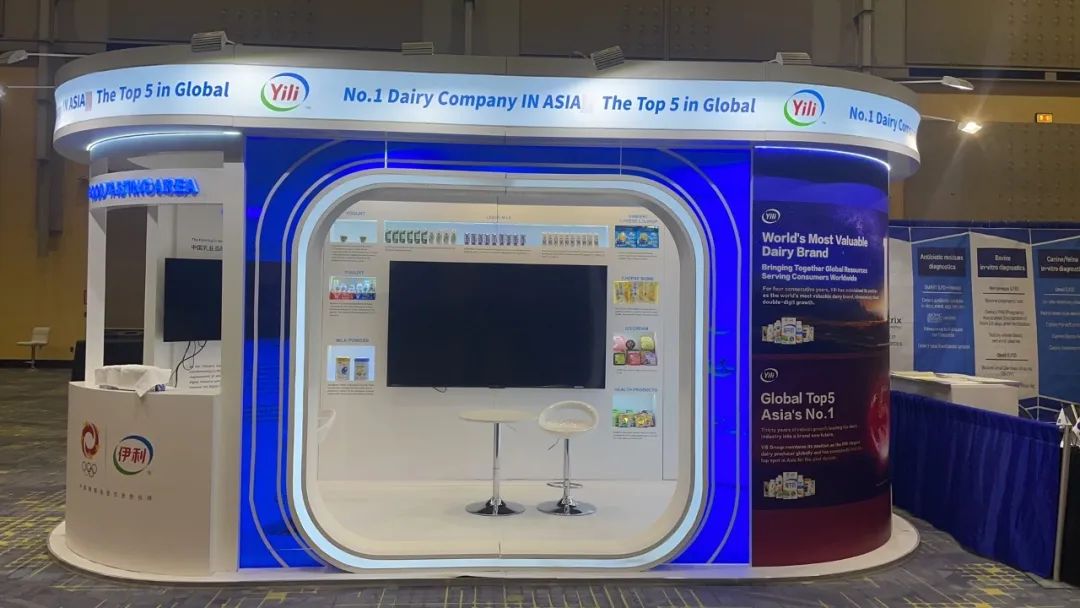 2023idf Stand Design and Build Oct 31,2023