Budget-Friendly Booth Ideas That Still Look High-End and Attractive
Here's the thing nobody tells you before your first trade show: that company across the aisle with the jaw-dropping booth display? They probably didn't spend three times your budget. They just spent smarter.
I've walked hundreds of exhibition floors over the years. And the pattern I keep seeing surprises people. The booths that actually stop traffic—the ones that generate real conversations and qualified leads—aren't always the most expensive. Sometimes they're not even close.
So if you're sitting there wondering how you'll compete with deep-pocketed competitors using a standard 10x10 space and a modest budget, this one's for you.
The Real Problem Isn't Money
Let's be honest about what's actually happening here.
Most companies approach booth design backwards. They start with what they can't afford. Custom fabrication. LED video walls. Professional lighting rigs. Then they settle for whatever's left within budget, feeling defeated before they've even begun.
But the exhibitors who consistently punch above their weight? They flip the script entirely.
They ask different questions. Not "What can we afford?" but "What actually matters to the people walking past?"
And here's what actually matters: Does your space feel intentional? Does it communicate something clear? Can someone understand your value proposition in three seconds flat?
A £15,000 booth setup that fails these tests will underperform a £3,000 one that nails them. I've seen it happen more times than I can count.
Where Your Budget Actually Goes Wrong
Before we talk solutions, maybe we should examine where most exhibitors burn cash unnecessarily.
Overbuying on structure. That elaborate custom booth frame looks impressive in the design mockup. But attendees rarely notice the architecture—they notice the experience within it.
Underinvesting in graphics. Others suggest this is where companies should spend more, not less. High-quality printed graphics on basic frames consistently outperform mediocre graphics on premium structures.
Ignoring lighting entirely. If there's one area where a small investment yields disproportionate returns, it's illumination. Portable LED fixtures can transform even the simplest booth display from flat to dimensional.
Renting when you should buy (and vice versa). The calculation matters. If you're doing more than three shows annually, purchasing core components usually makes sense. If you're testing a new market, rental might be the smarter play.
High-Impact Ideas That Won't Break the Bank
Right, let's get practical. These aren't theoretical suggestions—they're approaches I've watched successful exhibitors deploy repeatedly.
Fabric Tension Displays
The booth design world has shifted dramatically toward tension fabric systems. And for good reason.
These lightweight aluminium frames with stretch-fit fabric graphics create seamless, professional visuals at a fraction of traditional costs. They're also remarkably easy to transport and assemble, which cuts logistics expenses.
For a 10x10 tradeshow booth, a quality fabric backdrop with side panels might run £800-1,500. Compare that to traditional pop-up systems with laminated graphics, and you're often spending less while looking considerably more polished.
Strategic Verticality
Most exhibitors think horizontally. Tables. Displays. Literature racks. Everything at waist height.
Smart exhibitors think vertically.
Tall banner stands, hanging signs (if venue rules allow), and elevated product displays draw eyes from across the floor. They also maximise your booth setup's visibility without requiring additional floor space.
A simple 3-metre tall banner at the back of your space costs perhaps £150-300 but dramatically increases your visual footprint.
Cohesive Colour Psychology
This sounds basic because it is. But basic gets ignored.
Choose two or three brand colours. Apply them consistently across every element—graphics, tablecloths, staff clothing, promotional materials. This cohesion creates a premium impression that costs virtually nothing extra.
The booths that look cheap usually suffer from visual fragmentation. Too many competing colours. Mismatched elements. Graphics that don't quite align with other branded materials.
Modular Flooring
Here's an underrated upgrade that shifts perception immediately.
Exhibition hall carpet is universally uninspiring. Grey. Industrial. Forgettable.
Interlocking foam tiles or raised flooring in your brand colours creates an instant "you've entered our space" signal. Quality modular flooring for a 10x10 space runs roughly £200-400—and you'll reuse it show after show.
Curated Minimalism
Sometimes what you remove matters more than what you add.
I've watched exhibitors clutter their booth display with every product, every brochure, every piece of collateral they own. The result? Visual chaos that visitors instinctively avoid.
The high-end booths often feature deliberate restraint. One hero product. One key message. Breathing room.
This costs nothing. It just requires discipline.
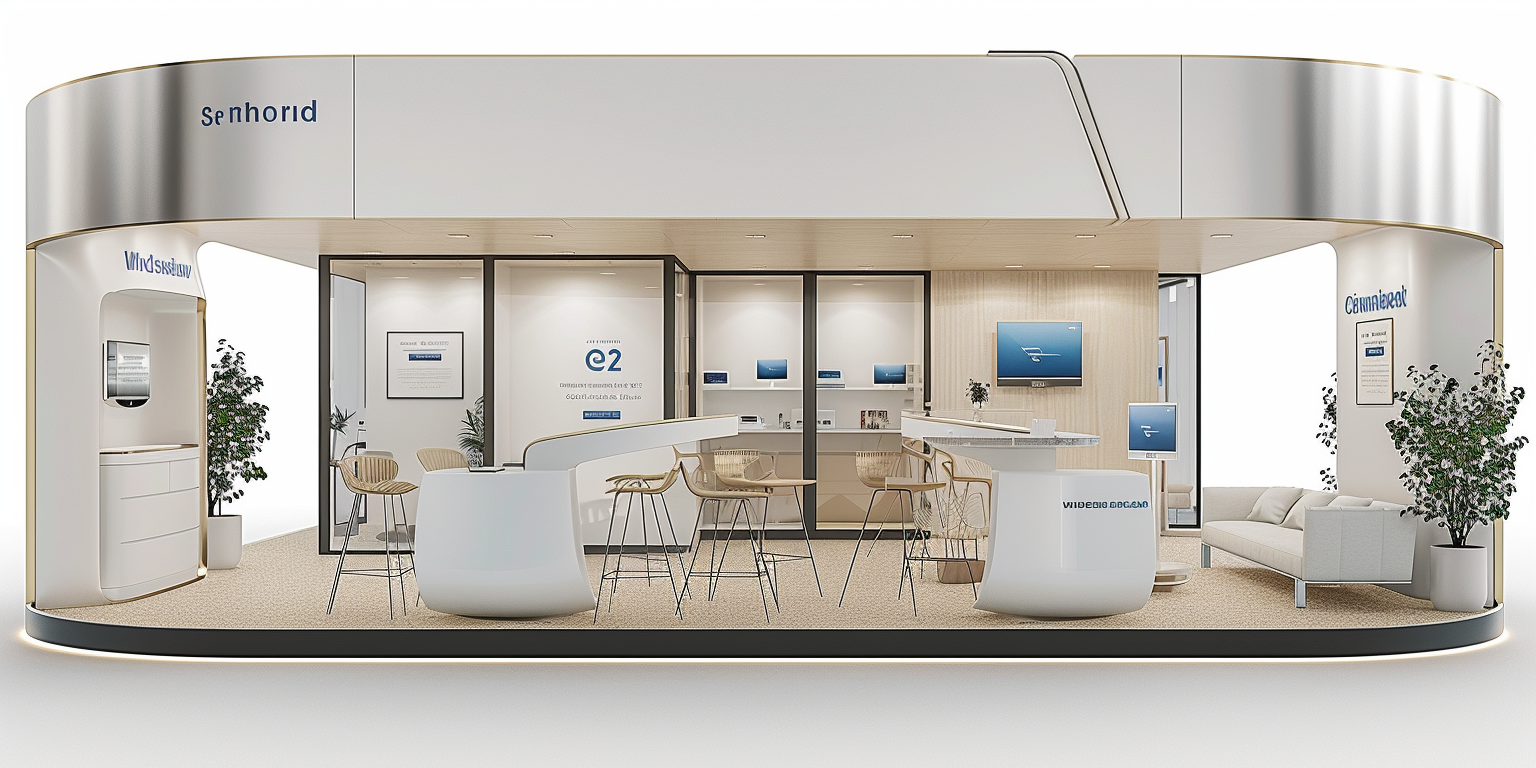
Technology That Doesn't Require Deep Pockets
You might assume technology demands serious investment. And yes, elaborate interactive installations certainly do.
But several accessible options exist:
Tablet-based presentations. A mounted iPad running a well-designed product demo beats a printed brochure every time. Most exhibitors already own suitable devices.
QR code integration. Physical materials that link to digital experiences extend your booth's impact without requiring on-site tech infrastructure.
Social media walls. Free or low-cost tools can display real-time social feeds featuring your brand hashtag. This creates dynamic, ever-changing content from user-generated sources.
Digital signage on consumer displays. A quality 55-inch television on a simple stand, running polished video content, costs far less than specialised exhibition screens—and often looks just as professional.
The Staff Factor
I should mention something that doesn't strictly fall under booth design but absolutely affects perception.
Your people are part of your display.
Matching branded apparel. Confident, approachable body language. Staff positioned at the edges of your space rather than huddled behind tables.
These human elements influence how "high-end" your presence feels more than any structural investment. And they're largely about training and intention, not expenditure.
Some exhibitors with gorgeous booths completely undermine their investment with disengaged staff scrolling phones. Meanwhile, energetic teams in modest spaces consistently outperform them.
A Practical Budget Allocation Framework
If you're working with limited resources for your booth setup, here's a rough allocation that tends to produce results:
- 50% on graphics and visuals. This is your highest-impact investment.
- 25% on structural elements. Frames, displays, furniture.
- 15% on lighting and atmosphere. Often overlooked, always valuable.
- 10% on miscellaneous. Flooring, accessories, contingency.
These percentages aren't rigid rules. But they reflect where money actually creates visible impact versus where it disappears into invisible infrastructure.
Planning for Reusability
One final consideration that transforms budget calculations entirely: longevity.
Every purchase should answer this question—will this serve us for multiple shows?
Modular booth design systems that reconfigure for different space sizes. Graphics with messaging that won't date immediately. Hardware that travels well and stores easily.
The upfront cost might look similar to disposable alternatives. But amortised across five shows instead of one, the economics shift dramatically.
The Bottom Line
Looking expensive and being expensive are genuinely different things. The exhibition industry has evolved. Accessible options exist that simply weren't available a decade ago.
What hasn't changed is the fundamentals of human perception. Clean design. Clear messaging. Confident execution. Attention to small details that signal professionalism.
These principles don't require massive budgets. They require thoughtfulness.
Maybe your 10x10 tradeshow booth won't match the elaborate island exhibits from Fortune 500 competitors. But it absolutely can stop attendees. Start conversations. Generate leads.
And ultimately, isn't that the point?
References
- CEIR (Center for Exhibition Industry Research). The Changing Attendee Profile, 2023.
- Trade Show News Network. Exhibitor Budget Trends Report, 2024.
- Freeman Company. The Value of Exhibition Design in Lead Generation, 2023.
- Exhibitor Magazine. Annual Cost Survey: What Exhibitors Are Spending, March 2024.
Recent News
-
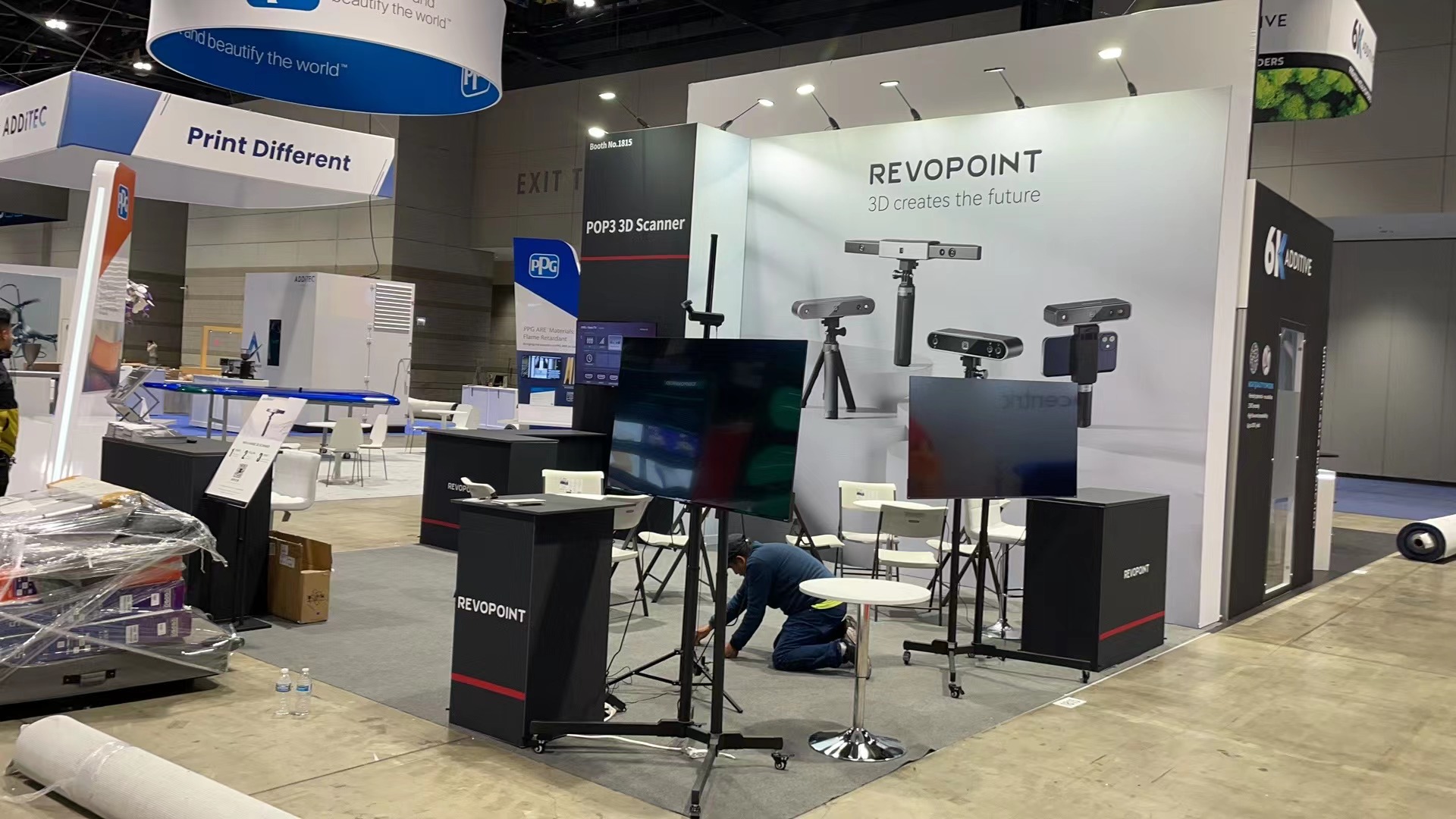 RAPID and TCT America Stand De Nov 14,2023
 -
 RAPID and TCT America Stand De Nov 14,2023
 -
 SupplySide Show America Stand Nov 13,2023
 -
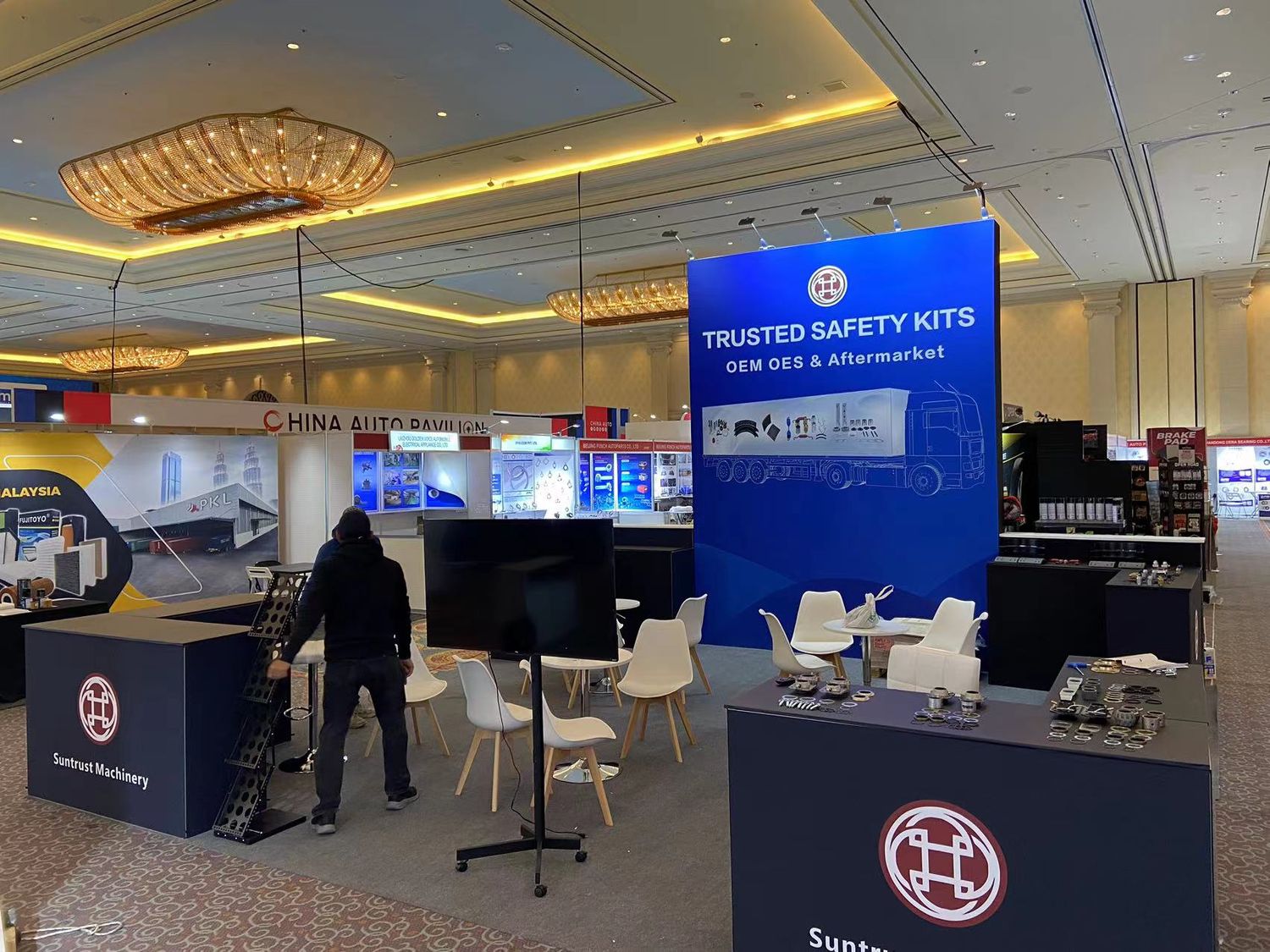 APPEX America Stand Design an Nov 01,2023
 -
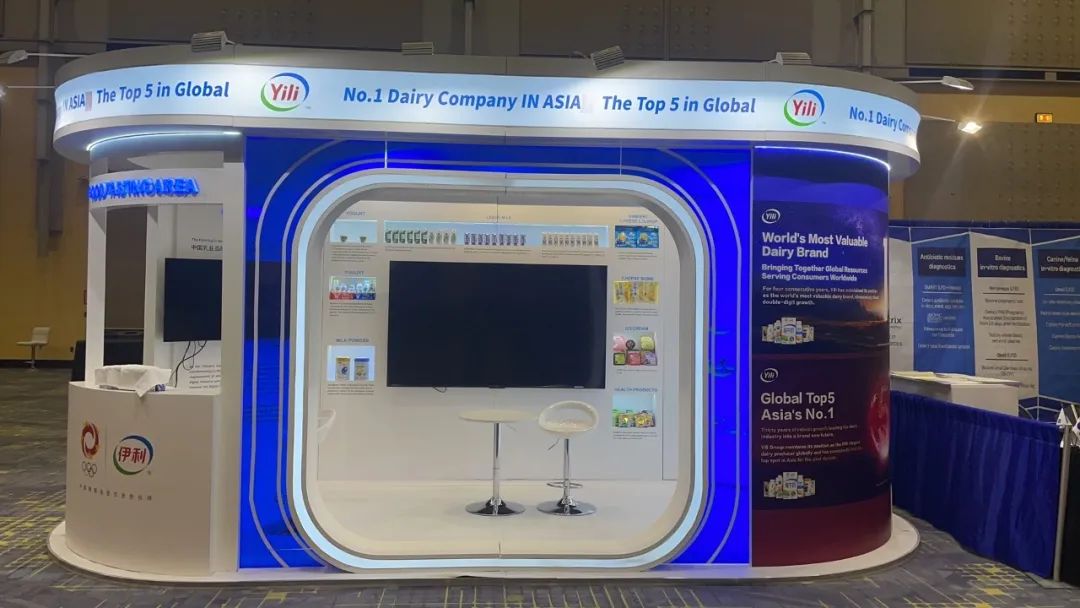 2023idf Stand Design and Build Oct 31,2023