Unique Interactive Booth Ideas to Make Visitors Stop and Engage
The Problem No One Wants to Admit
I've walked hundreds of trade show floors. And here's what strikes me every single time: most booths look exactly the same.
You've got your pull-up banners. Your stack of brochures. Maybe a bowl of mints. And behind the table, someone scrolling their phone, waiting for the day to end.
Sound familiar?
The real challenge isn't getting a spot at the show. It's getting people to stop. To actually engage. To remember you existed three hours later when they're deciding who to follow up with.
If you've ever invested in booth design only to watch attendees walk straight past, you know the frustration. It's not that your product isn't good. It's that your booth display isn't doing its job.
Why Attention Is the Real Currency
Trade shows are overwhelming by design. Hundreds of vendors. Thousands of attendees. Everyone competing for the same eyeballs.
Research suggests the average attendee decides within 3-5 seconds whether to approach a booth or keep walking. That's it. Three seconds to make an impression.
So what separates the booths that pull crowds from the ones gathering dust?
Interactivity.
Not gimmicks. Not expensive tech for the sake of it. Genuine interaction that creates a moment of connection.
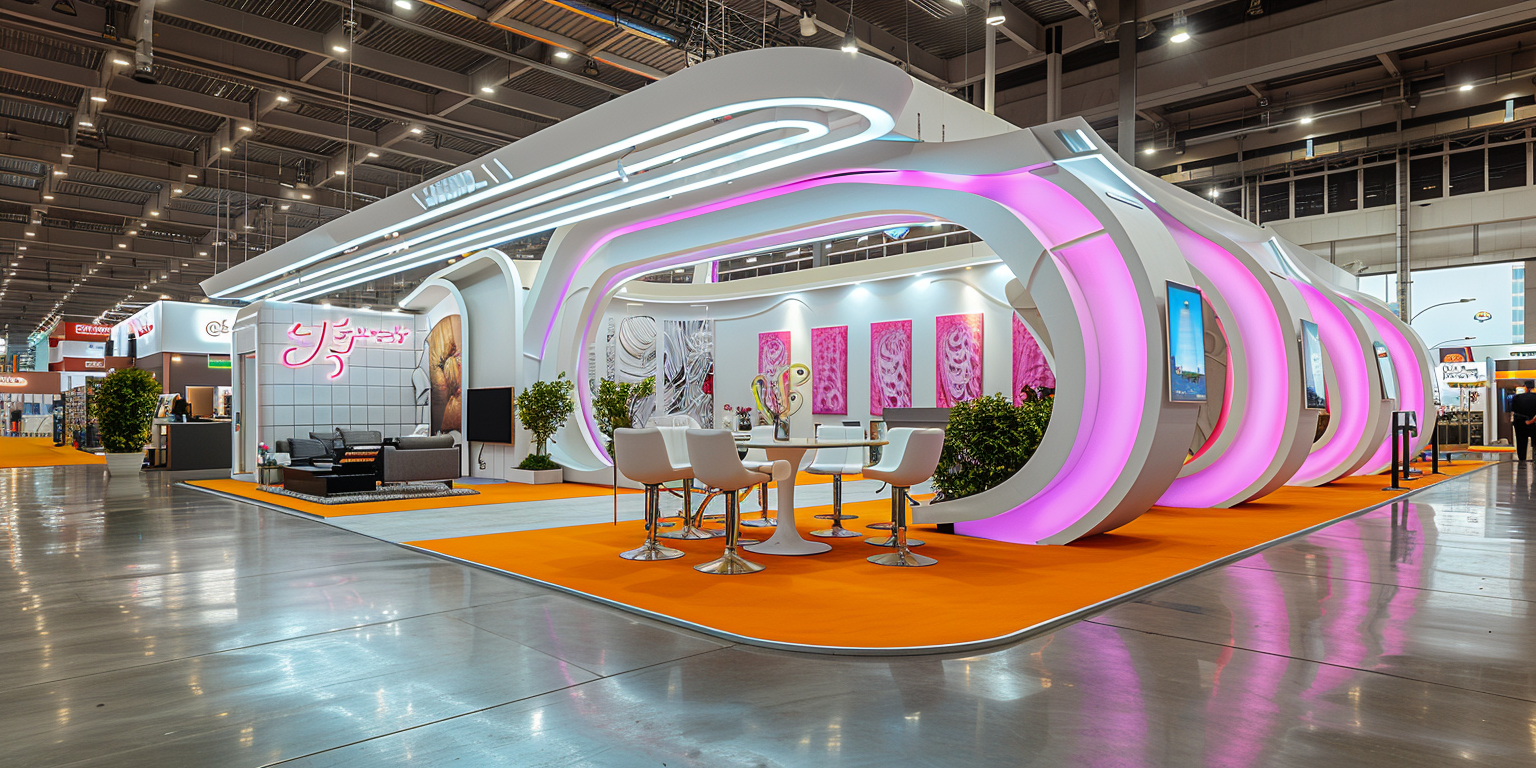
What Actually Works: Practical Ideas That Drive Engagement
1. Gamification That Feels Earned
People love games. But there's a difference between a random prize wheel and something that actually relates to your business.
Consider this: a software company I observed last year set up a timed challenge on tablets. Visitors competed to solve a problem their product addressed. Fastest times won prizes. But more importantly, everyone who played now understood the core value proposition.
Even a simple 10x10 tradeshow booth can accommodate this. You don't need massive square footage. You need smart booth setup.
2. Live Demonstrations With Participation
Don't just show your product. Let people use it.
This sounds obvious, but most exhibitors default to videos on loop or static displays. If your offering is tactile—whether it's equipment, tools, or even software—create a hands-on station.
Others suggest scheduling mini-demonstrations every 30 minutes to create natural gathering points. The crowd draws more crowd.
3. Photo Opportunities With Purpose
Maybe you've seen booths with ring lights and props. Some work brilliantly. Most feel forced.
The key? Make it shareable and relevant.
A logistics company I spoke with created a mock "shipping container" photo booth inside their space. Visitors took photos, shared on social media, and the company's branding appeared in hundreds of organic posts. Their booth display became a destination.
4. Real-Time Customisation
If your product allows for personalisation, do it live.
Engraving names on merchandise. Custom product configurations on screen. Even something as simple as printed badges with visitors' names and their biggest business challenge (collected at entry).
This creates ownership. And people rarely throw away something made specifically for them.
5. Comfortable Pause Points
Here's something counterintuitive: sometimes the best way to get engagement is to offer rest.
Trade show floors are exhausting. A booth setup that includes comfortable seating, phone charging stations, or even decent coffee creates genuine gratitude.
Visitors sit down. They relax. And suddenly, you've got five uninterrupted minutes to have a real conversation.
The 10x10 Tradeshow Booth Reality
Not everyone has the budget for a sprawling custom build. And honestly? You don't need it.
Some of the most effective booth design I've witnessed happened in standard 10x10 spaces. The constraint forces creativity.
A few principles that seem to work:
- Vertical displays draw eyes upward and create presence
- Clear focal points prevent visual clutter
- Open layouts feel welcoming rather than boxed-in
- Lighting makes everything look more professional (this is maybe the most underrated element)
The goal isn't to cram in more stuff. It's to create one memorable interaction.
Common Mistakes Worth Avoiding
Overcomplicating technology. If your VR headset takes five minutes to set up and sanitise between uses, you'll create queues and frustration. Keep tech simple.
Forgetting the follow-up. Interactive experiences should capture data. If people play your game or take your quiz, you need their contact information. Otherwise, it's just entertainment.
Ignoring staff training. Your booth display can be stunning. But if your team stands with crossed arms looking unapproachable, none of it matters.
A Different Way to Think About This
Trade shows aren't about selling on the floor. They're about starting conversations that continue afterward.
Your booth is a filter. The right setup attracts the right people and repels the wrong ones. If everyone stops but no one converts, something's misaligned.
Interactive elements should qualify visitors as much as they engage them.
Final Thoughts
The exhibitors who win aren't always the ones with the biggest budgets. They're the ones who understand human behaviour.
People stop for curiosity. They engage for value. They remember experiences, not brochures.
Whether you're working with a 10x10 tradeshow booth or a massive island display, the principles remain the same: create a reason to pause, deliver something worthwhile, and make follow-up easy.
The best booth design doesn't just look good. It works.
References
- Exhibitor Magazine (2023). Trade Show Engagement Metrics Study.
- Center for Exhibition Industry Research (CEIR). Attendee Behavior and Decision-Making Report.
- Event Marketer (2024). The State of Experiential Marketing.
- Freeman Company. Brand Experience Trends Annual Survey.
Recent News
-
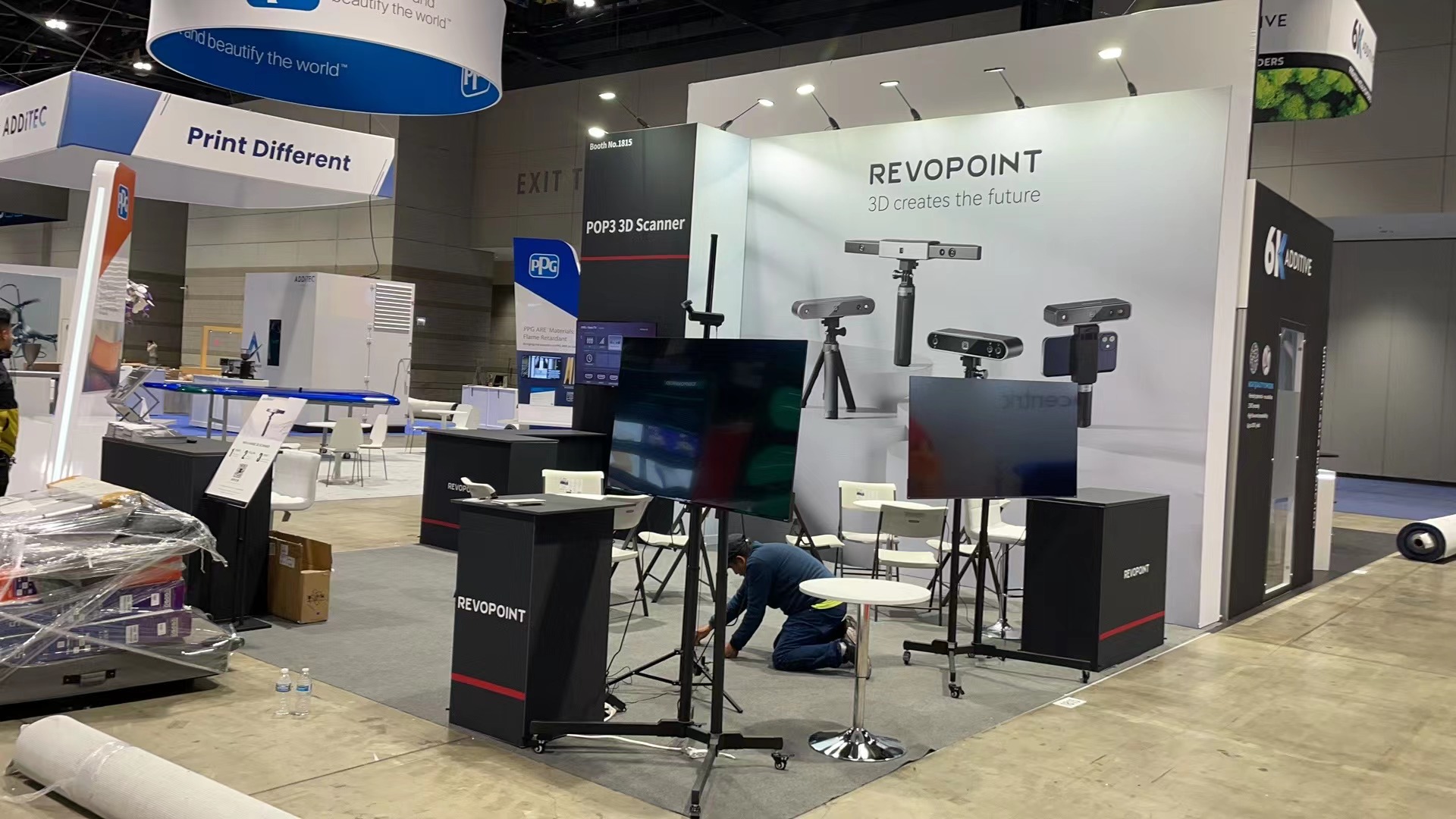 RAPID and TCT America Stand De Nov 14,2023
 -
 RAPID and TCT America Stand De Nov 14,2023
 -
 SupplySide Show America Stand Nov 13,2023
 -
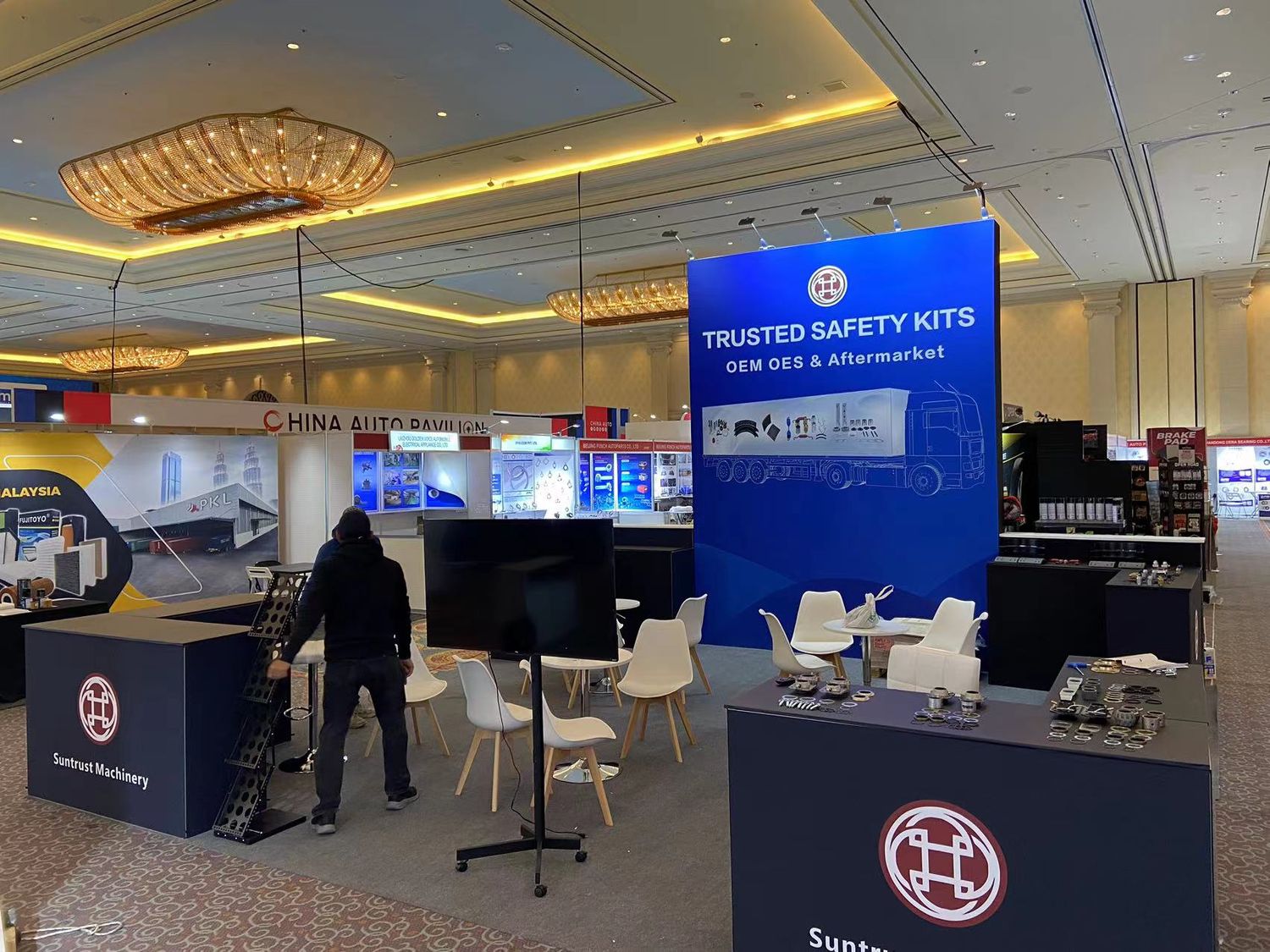 APPEX America Stand Design an Nov 01,2023
 -
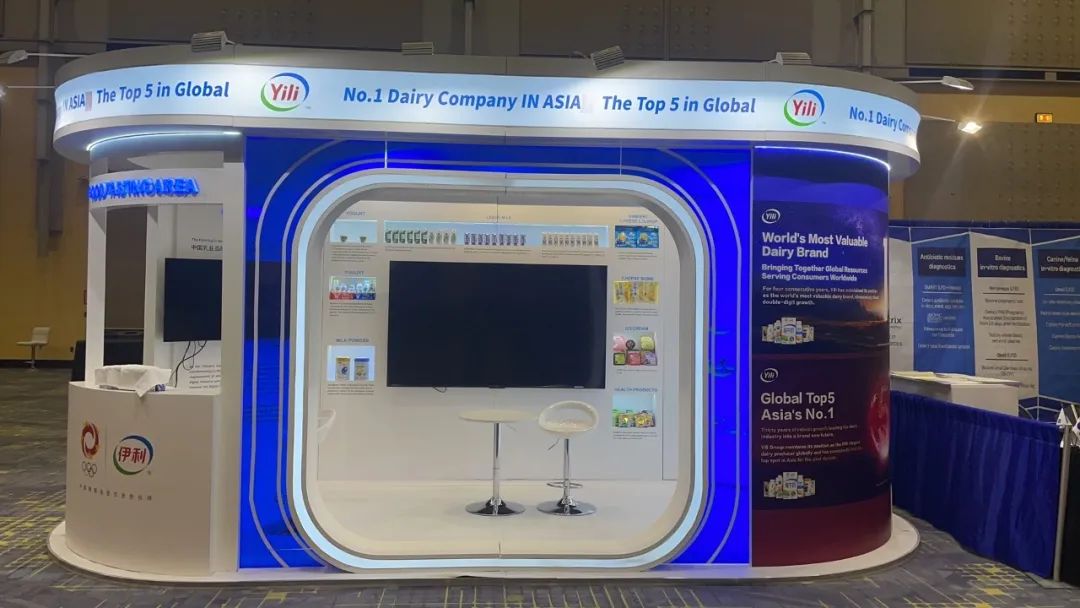 2023idf Stand Design and Build Oct 31,2023