Comprehensive Guide to Dubai Exhibition Booth Safety Regulations: What You Need to Know
Dubai’s position as a global business hub makes it a prime destination for international exhibitions. However, strict safety regulations govern booth construction to ensure compliance and protect
participants. Whether you’re a first-time exhibitor or a seasoned professional, understanding these rules is critical. Here’s a breakdown of Dubai’s key safety regulations for booth搭建:
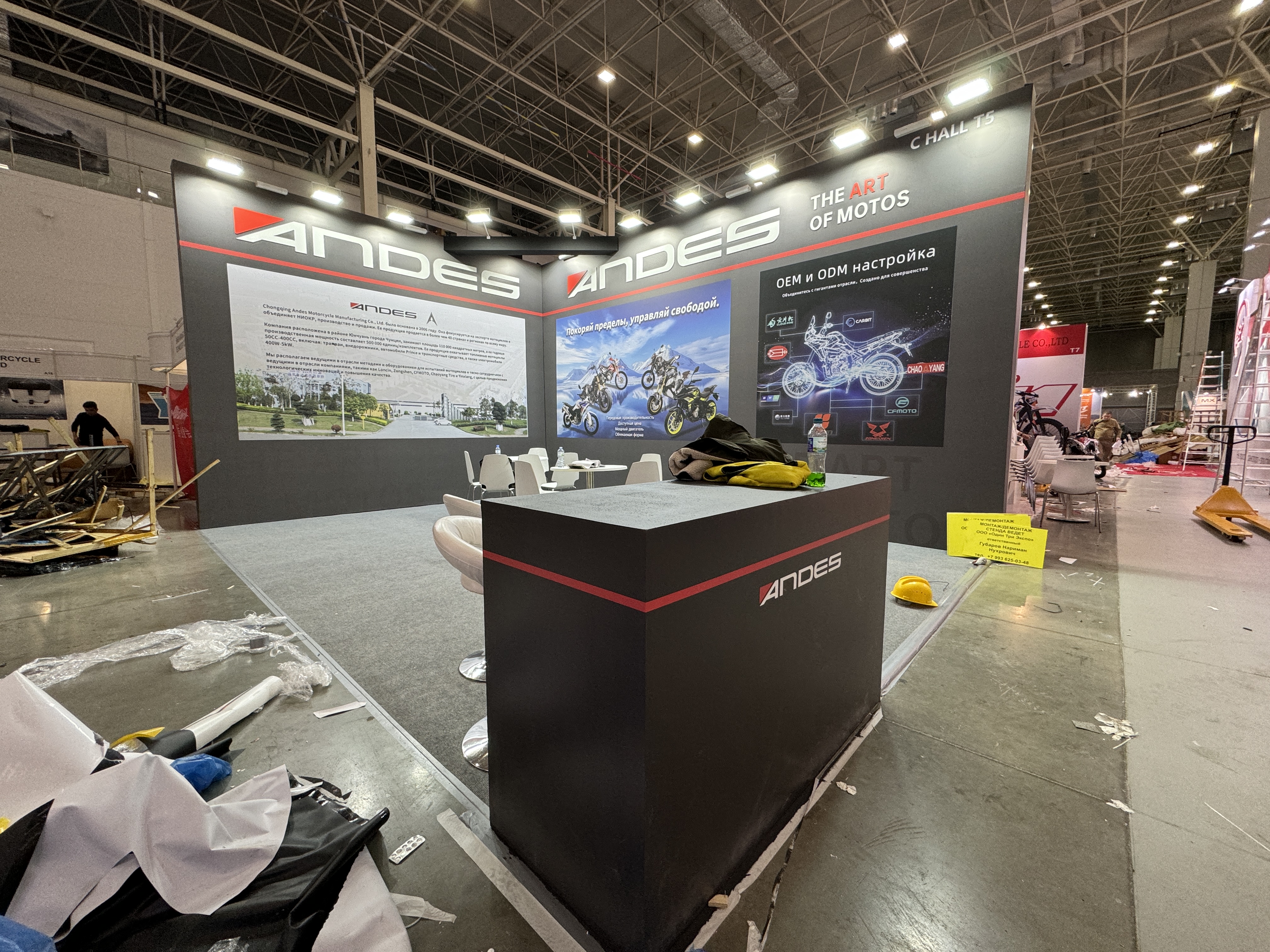
1. Mandatory Approvals and Permits
All exhibition booth designs in Dubai require dual approvals from the Dubai Multi Commodities Centre (DMCC) and Dubai Municipality (DM). This includes submitting detailed structural plans and material specifications. For instance, booths exceeding 4 meters in height must provide third-party structural integrity repots to verify load-bearing capacity and stabilit. Failure to comply can result in fines or booth shutdowns.
2. Fire Safety Compliance
Dubai enforces rigorous fire safety standards. Key requirements include:
- Fire-resistant materials: All construction materials must meet B1-class fire resistance (as per EN 13823 standards).
- Smoke control systems: Complex designs, such as multi-level booths, require integrated smoke detectors and emergency ventilation.
- Clear evacuation routes: A minimum 1.2-meter-wide emergency pathway must be maintained around all structures.
3. Electrical Safety Standards
Electrical installations are strictly regulated:
- Certified electricians: Only DEWA-approved professionals can handle wiring and connections.
- Circuit protection: All power distribution units must comply with BS 7671 standards and include residual current devices (RCDs).
- Temporary lighting: Use only DEWA-certified LED fixtures to avoid violations.
4. Structural Integrity Requirements
Dubai’s harsh climate demands robust construction:
- Wind load calculations: Outdoor booths must withstand 50 km/h wind speeds (verified via ASTM E84 testing).
- Material durability: Opt for UV-resistant and non-corrosive materials to prevent degradation in high temperatures.
5. Cultural and Operational Compliance
- Local customs: Avoid designs featuring culturally sensitive imagery or symbols.
- Insurance: Mandatory public liability insurance covers accidents or damages during the event.
- Waste management: Contractors must remove all debris post-event to avoid penalties.
Why Compliance Matters
Non-compliance risks fines, project delays, or even legal action. For example, in 2024, a luxury brand’s booth was shut down mid-event due to unauthorized materials, costing over $50,000 in losses. Partnering with DMCC-accredited contractors ensures adherence to regulations and seamless execution.
By prioritizing these regulations, exhibitors can focus on showcasing their brands while maintaining a safe, compliant presence in Dubai’s dynamic exhibition landscape.
Recent News
-
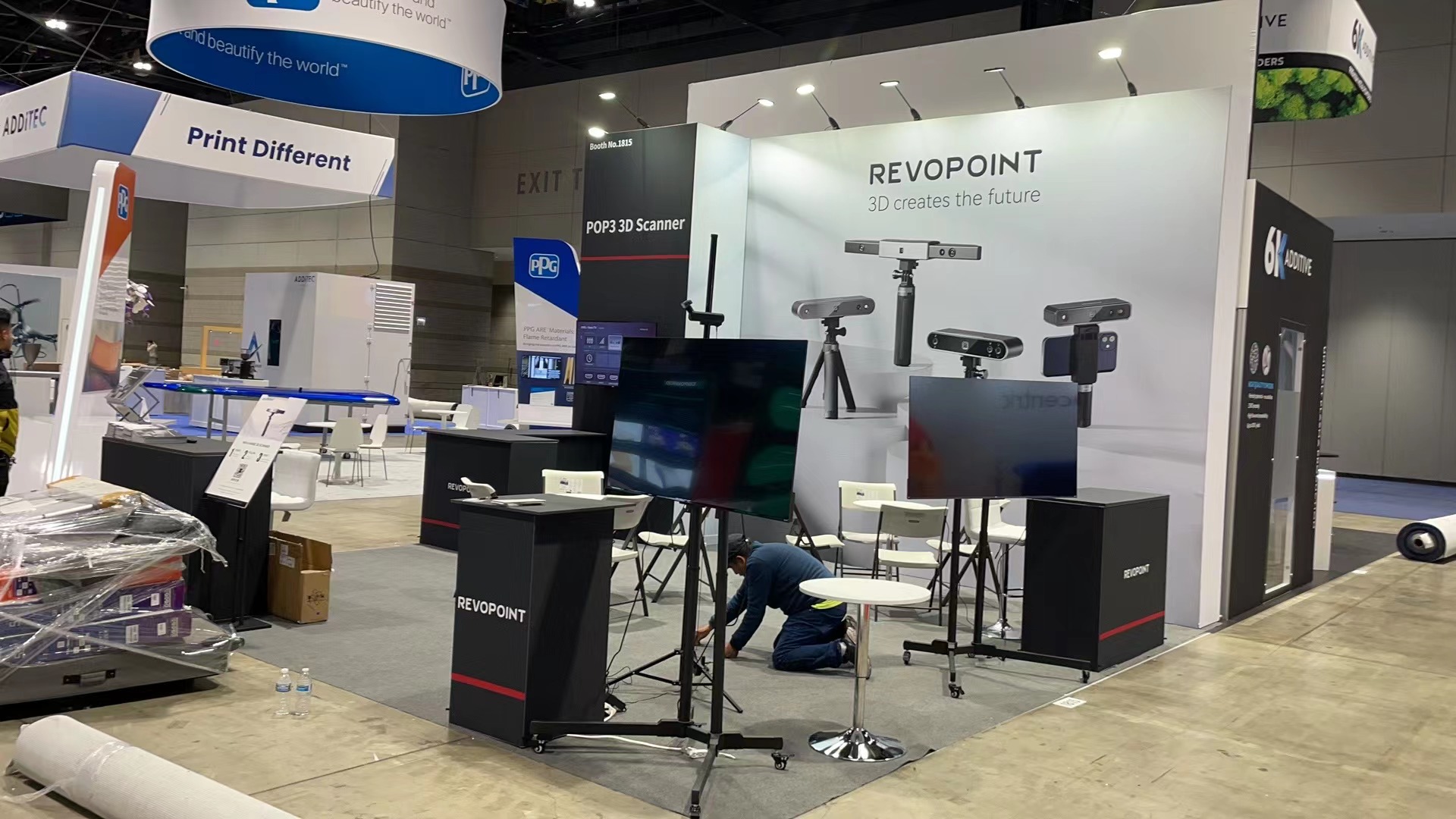 RAPID and TCT America Stand De Nov 14,2023
-
 RAPID and TCT America Stand De Nov 14,2023
-
 SupplySide Show America Stand Nov 13,2023
-
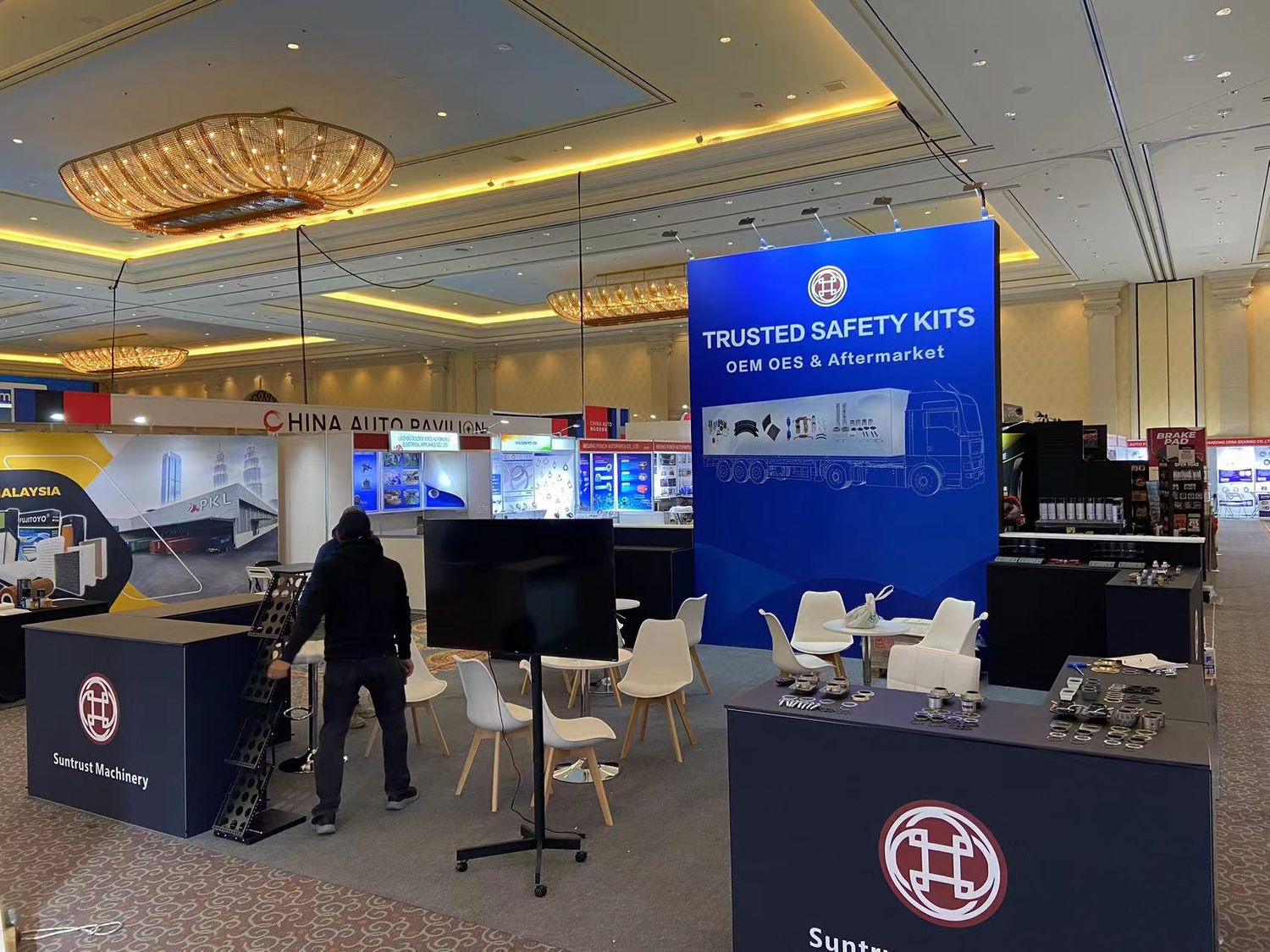 APPEX America Stand Design an Nov 01,2023
-
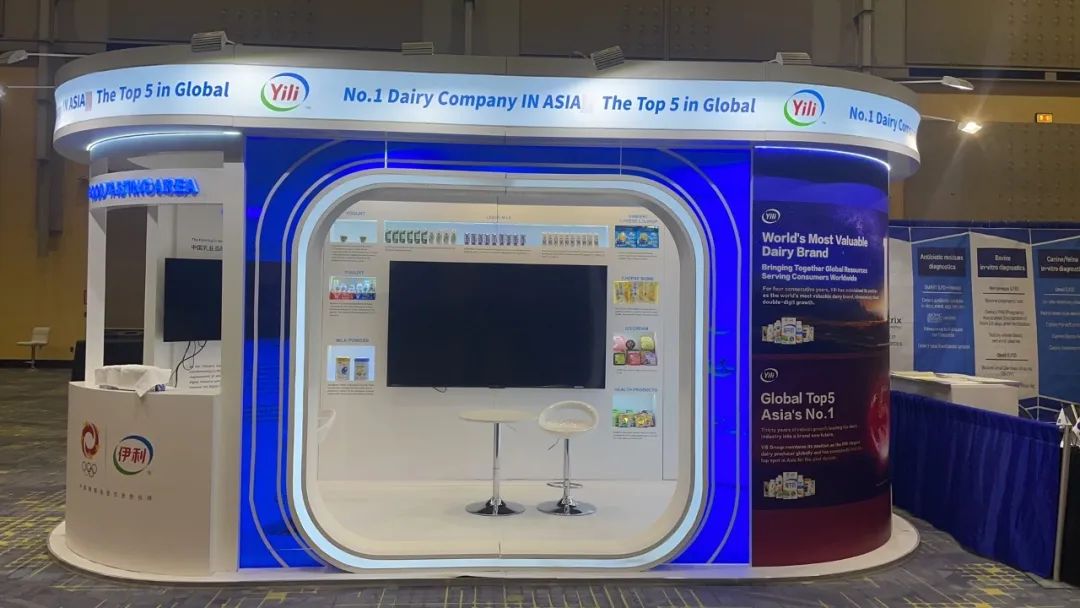 2023idf Stand Design and Build Oct 31,2023