Cost-Effective Exhibition Booth Construction in New Zealand: Strategies for Efficiency and Savings
Exhibiting in New Zealand offers access to a dynamic market, but concerns about high costs and logistical challenges often deter businesses. Understanding the factors influencing booth construction expenses and adopting smart strategies can help achieve both budget efficiency and impactful results. Here’s a comprehensive guide to navigating New Zealand’s exhibition landscape.

1. Cost Drivers in New Zealand Exhibition Setup
New Zealand’s exhibition costs are influenced by labor, materials, and logistics. Skilled labor rates range from NZD 180–300 per day, while imported materials face strict customs regulations (e.g., ISPM15 certification for wooden packaging). Venues like Auckland’s Trusts Arena often impose tight deadlines, with penalties for overtime. However, partnering with local experts who pre-plan workflows and source regionally can mitigate these expenses. For instance, modular designs using lightweight aluminum composites reduce assembly time by 40%.
2. Design Optimization: Save 20–30%
Adopt modular and reusable structures to slash long-term costs. A tech firm saved 25% on transport by using collapsible frames and locally sourced eco-friendly materials like bamboo panels. Prioritize vertical displays and multi-functional zones to maximize limited booth space, a common constraint in venues like the Christchurch Convention Centre. Integrate digital tools (e.g., VR demos, QR codes) to minimize physical samples and printing costs.
3. Logistics: Avoid Hidden Expenses
Timely shipping is critical. Shipments from China to New Zealand require 6–8 weeks, but using bonded warehouses in Auckland cuts lead times. For example, a Shenzhen-based company saved 12% on tariffs by opting for dual-clearance logistics channels. Collaborate with local suppliers for last-minute material needs—3D-printed prototypes helped one exhibitor overcome air freight delays while boosting engagement.
4. Leverage Local Partnerships
Local contractors familiar with regulations (e.g., earthquake-resistant designs, fire safety codes) ensure compliance and faster approvals. In 2023, a Moscow-based team reduced labor costs by 20% at the Climate World Expo by hiring Auckland technicians. Additionally, sourcing materials like thermally efficient fabrics locally aligns with New Zealand’s sustainability standards.
5. Time Management: Fast-Track Builds
For urgent projects, adopt a 3-phase approach:
Phase 1: Finalize designs in 48 hours using 3D modeling.
Phase 2: Secure materials within 72 hours via pre-vetted suppliers.
Phase 3: Deploy 24/7 teams for rapid assembly. At the 2025 Imabari Maritime Expo, a 150m² booth was completed in 5 days through round-the-clock shifts.
6. Sustainability: Reduce Costs & Enhance Branding
Eco-friendly practices, such as recyclable bamboo displays and solar-powered lighting, lower waste disposal fees and resonate with New Zealand’s green initiatives. A 2024 survey showed 68% of attendees prefer brands with sustainable booths.
While New Zealand’s exhibition costs average NZD 400–700/m², strategic planning, local collaboration, and innovative design can reduce expenses by 15–30%. Companies like Xindongli Exhibitions demonstrate that efficiency and affordability are achievable without compromising quality. For businesses eyeing markets like Auckland or Wellington, these tactics ensure a competitive edge while maximizing ROI.
Recent News
-
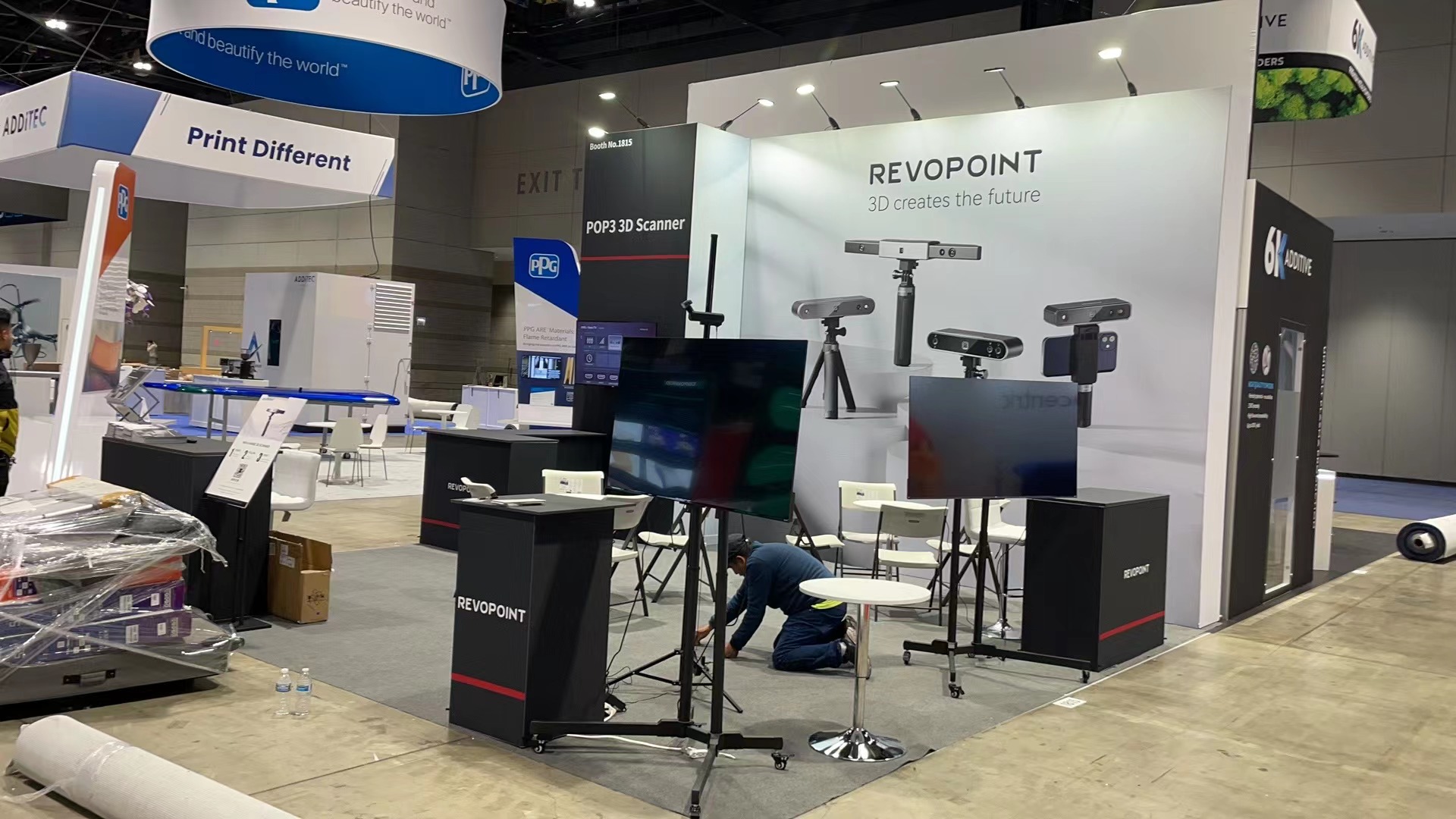 RAPID and TCT America Stand De Nov 14,2023
-
 RAPID and TCT America Stand De Nov 14,2023
-
 SupplySide Show America Stand Nov 13,2023
-
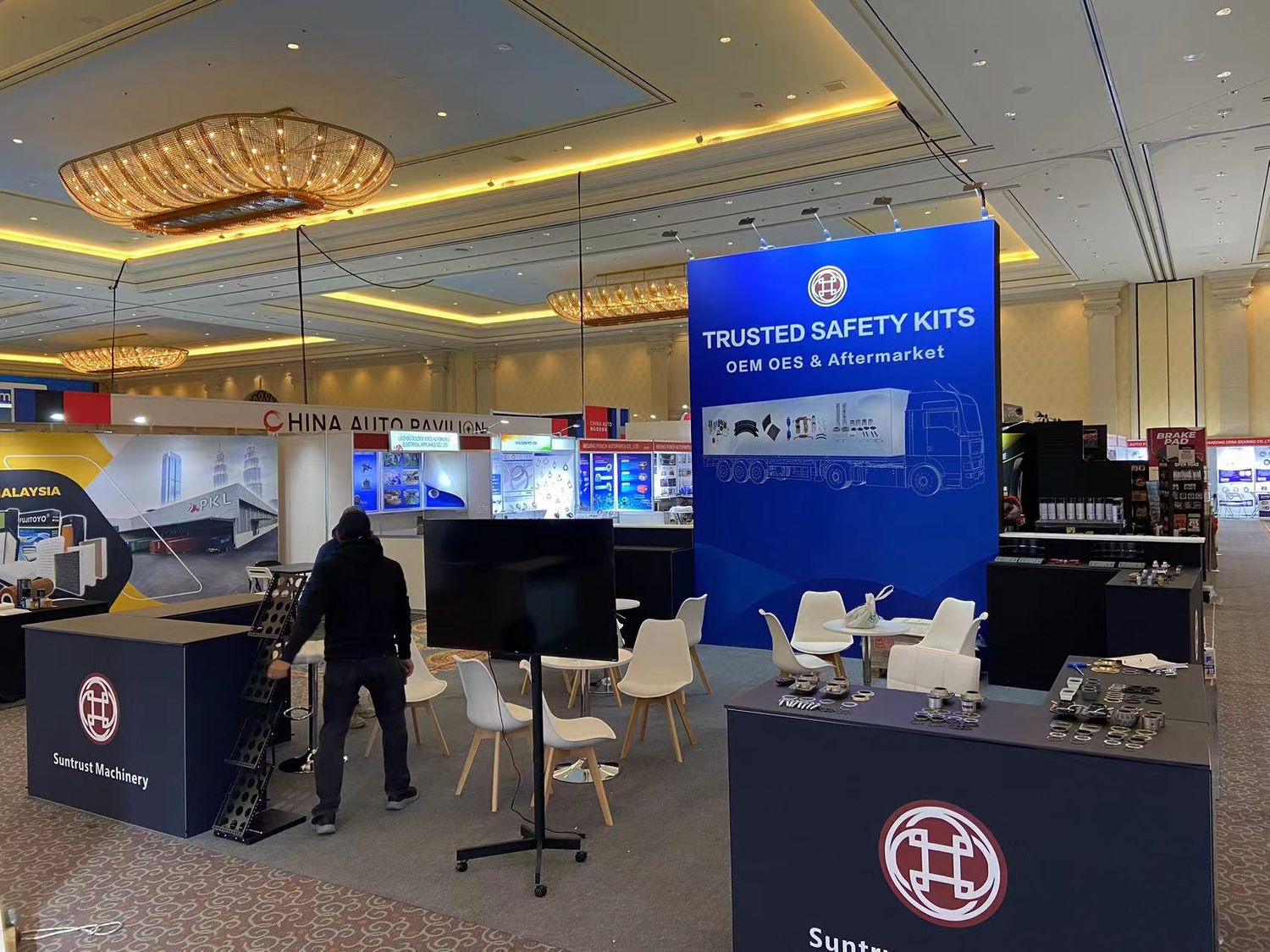 APPEX America Stand Design an Nov 01,2023
-
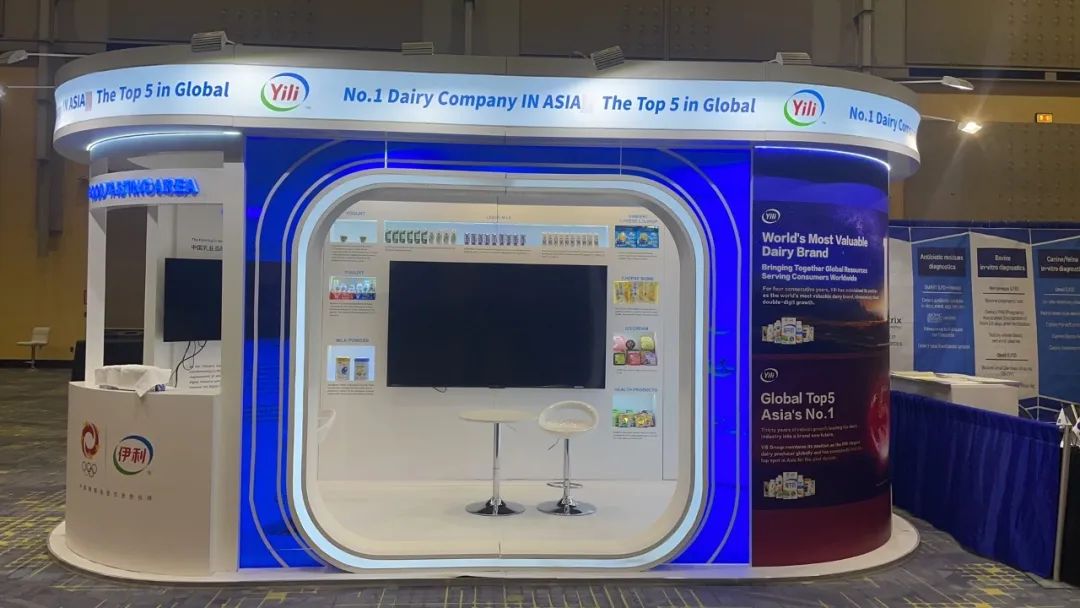 2023idf Stand Design and Build Oct 31,2023