Thailand Exhibition Booth Safety: Critical Pitfalls to Avoid for a Secure & Successful Show
Designing a booth in Thailand requires navigating unique environmental, regulatory, and cultural challenges. From humidity-induced material failures to compliance risks, even minor oversights can lead to safety incidents or costly delays. Here’s a comprehensive guide to building a secure, high-impact booth while avoiding common pitfalls.

1. Material Selection: Fireproofing & Humidity Resistance Are Non-Negotiable
Thailand’s tropical climate (average 80% humidity) demands materials that withstand moisture and heat.
Fireproof Certification: Use TISI-certified fire-retardant boards and avoid untreated wood. A 2025 Bangkok case showed unapproved materials caused a booth fire, resulting in $50k+ losses.
Anti-Humidity Solutions: Seal joints with waterproof glue and opt for lightweight aluminum frames over steel/wood to prevent warping.
Eco-Compliance: Verify formaldehyde-free adhesives to avoid shutdowns during air quality checks.
2. Structural Integrity: Balance Aesthetics with Engineering Precision
Overloading or weak joints can lead to collapses—especially during peak foot traffic or storms.
Load Simulation: Use CAD/3D modeling to calculate pillar loads and wind resistance (Bangkok’s average 15m/s winds require reinforced bases).
Reinforced Joints: Combine mortise-tenon joints with steel pins at critical nodes, tested under 72-hour pressure simulations.
Layout Optimization: Stagger load-bearing walls and interactive zones to prevent localized overcrowding (max 3 people/m²).
3. Local Compliance: Electrical & Fire Safety Red Flags
Ignoring Thai regulations risks failed inspections and delays.
Electrical Standards: Use 220V/50Hz sockets with fireproof conduits and install circuit breakers every 50m².
Fire Protocols:
Place smoke detectors ≤6m apart and ensure bilingual emergency exits (Thai/English).
Maintain ≥2.4m-wide main aisles and ≥1.2m secondary paths.
Permit Verification: Confirm contractors hold CNS 6-1 safety licenses.
4. Fire Prevention: Manage High-Risk Activities
Welding, painting, and electrical work are common fire triggers.
Material Storage: Isolate paints, solvents, and adhesives in ventilated zones away from sparks.
Hot Work Zones: Restrict welding/cutting to designated areas with fire blankets/sand buckets.
LED Lighting: Choose low-heat fixtures to reduce fire risks and improve visitor comfort.
5. Cultural & Operational Safety Nuances
Respect local customs to avoid conflicts and ensure attendee safety.
Taboos: Never use black-dominated designs (associated with mourning) or place decor below 2m height (head-touching is offensive).
Staff Training: Provide Thai-language safety briefings and enforce harness rules for aerial setups.
Emergency Prep: Assign 24/7 on-site technicians and pre-map evacuation routes.
Case Study: How a Tech Brand Avoided Disaster at Bangkok Expo 2025
A robotics exhibitor averted structural failure by:
Using 3D-printed lightweight panels (40% lighter than wood) with steel-reinforced bases.
Installing QR-linked AR manuals to reduce crowd density.
Conducting daily joint-stress checks during monsoon season.
Thailand’s exhibition scene offers immense opportunities but demands rigorous safety planning. Prioritize TISI-certified materials, load-tested structures, and localized compliance to protect your brand and budget. Partner with certified contractors familiar with Thai norms—like New Power Exhibition’s 16-year expertise in ASEAN markets—to transform safety risks into competitive advantages.
Recent News
-
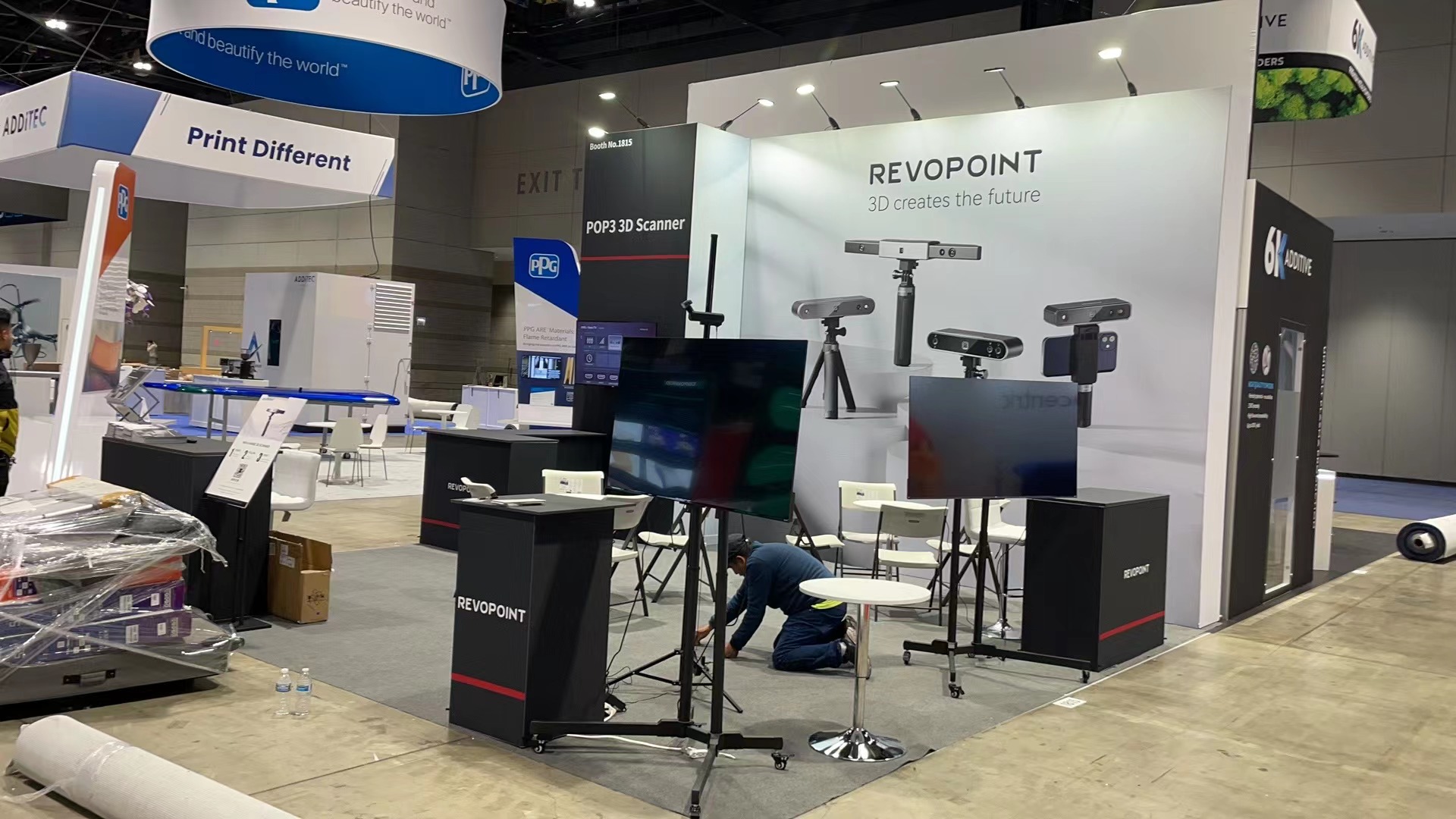 RAPID and TCT America Stand De Nov 14,2023
-
 RAPID and TCT America Stand De Nov 14,2023
-
 SupplySide Show America Stand Nov 13,2023
-
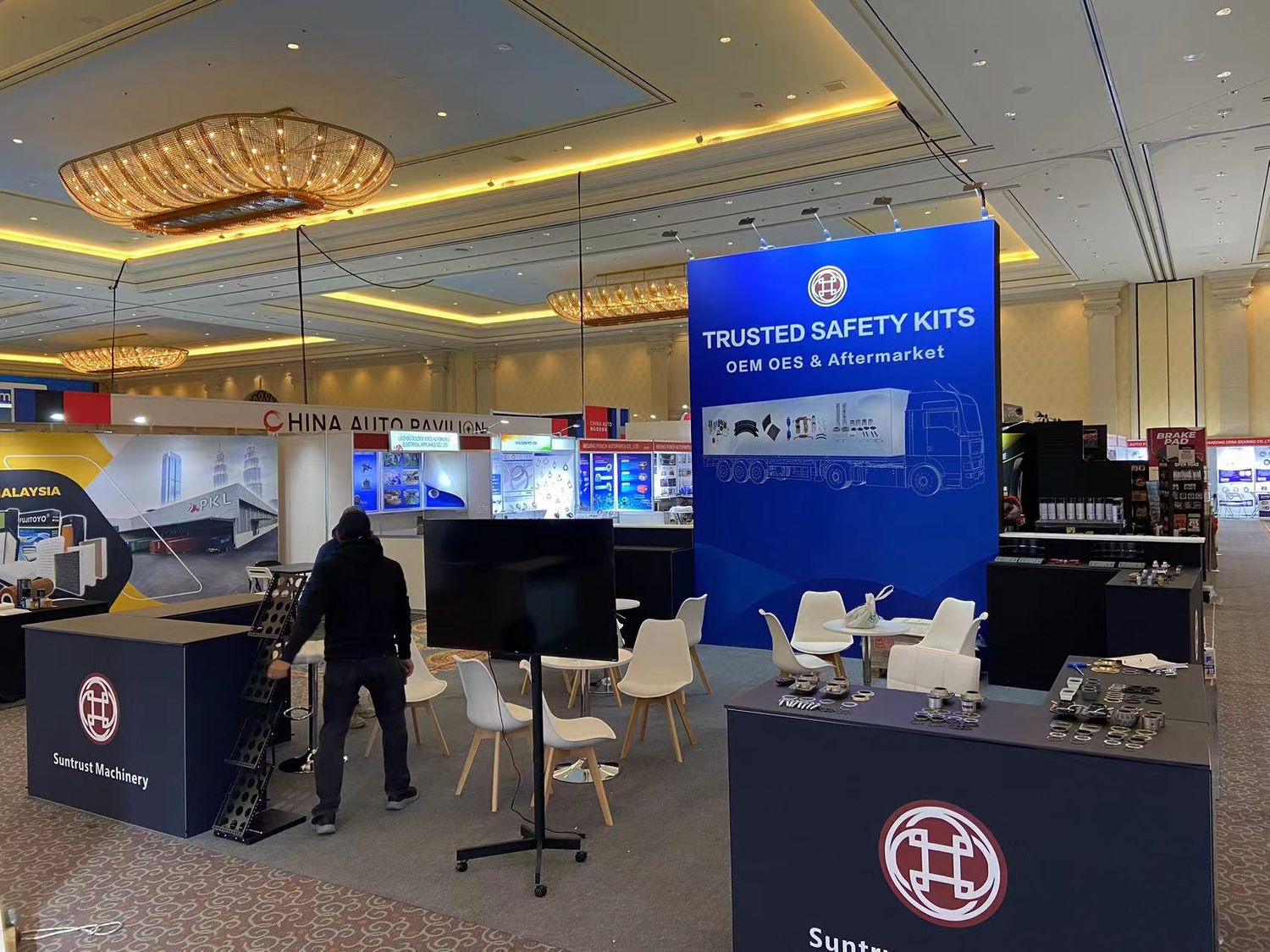 APPEX America Stand Design an Nov 01,2023
-
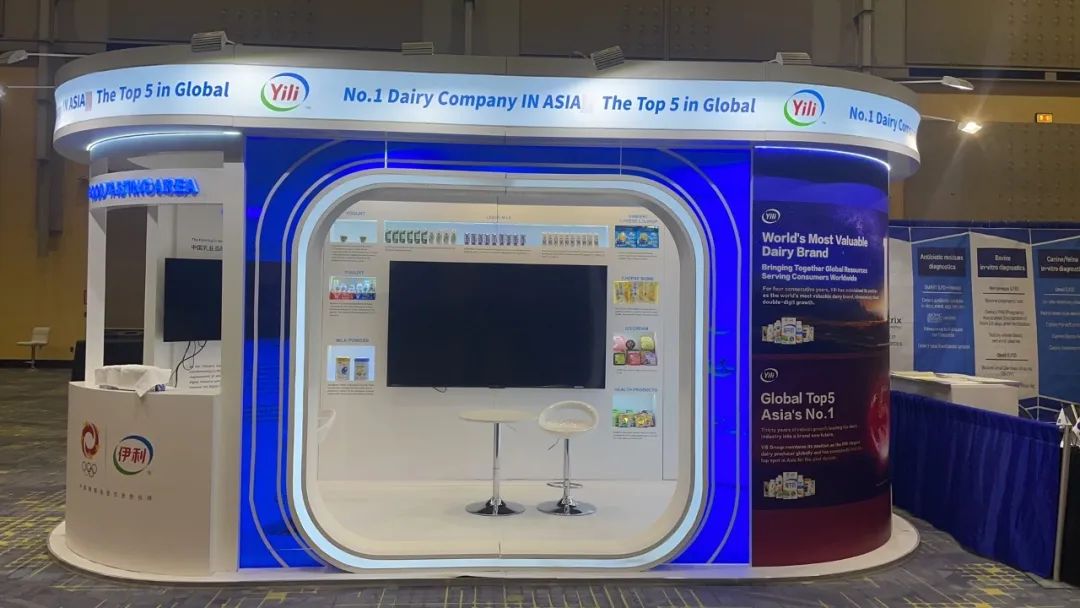 2023idf Stand Design and Build Oct 31,2023