How to Efficiently Build Exhibition Booths in the US: A Step-by-Step Guide
Efficient booth construction is critical for maximizing ROI at US trade shows. Based on proven strategies from seasoned exhibition service providers, here’s a comprehensive guide to streamline your booth-building process while ensuring compliance and brand impact.
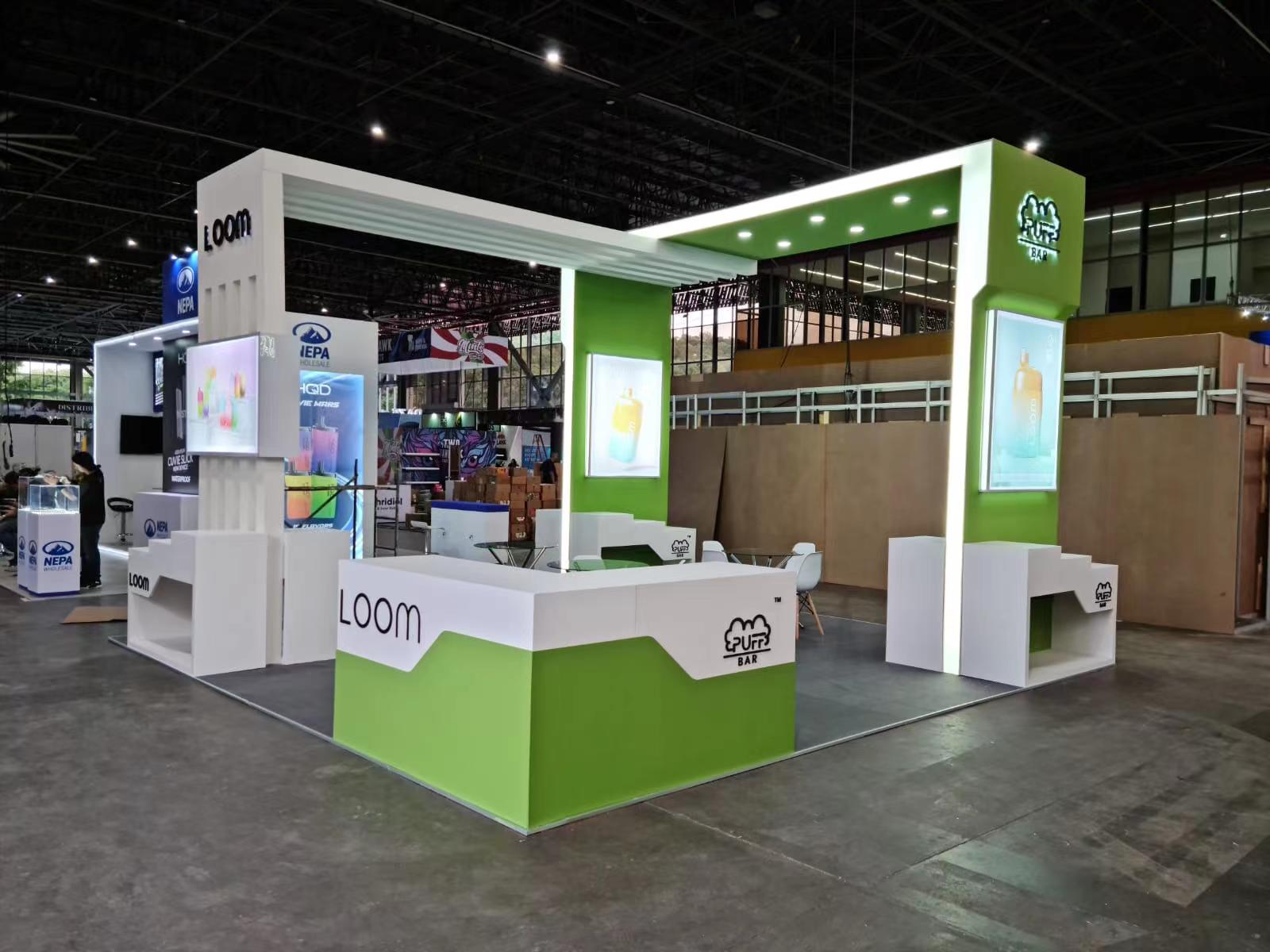
1. Strategic Pre-Planning: The Foundation of Efficiency
Start Early: Begin preparations at least 6 months in advance. US venues like Las Vegas Convention Center or Chicago’s McCormick Place require strict adherence to fire codes, material specifications, and height restrictions. For example, wooden structures (common in China) often fail US fire-retardancy standards. Opt for lightweight aluminum frames or modular systems that meet local regulations.
Venue Compliance: Study the exhibition manual for rules on rigging, electrical setups, and union labor. Submit booth design drawings for approval by deadlines (e.g., 60 days pre-show for large booths). Failure to comply may incur penalties or rebuild costs.
Budget Allocation: Factor in hidden fees like rigging (2.41/sq.ftforelectricalsetups),materialhandling(1.33–2.41/sq.ft), and union labor ($100–150/hour). Directly negotiate with third-party contractors or use a trusted partner to avoid 15%–25% surcharges.
2. Modular Design: Speed Meets Sustainability
Prefabricated Systems: Modular components (walls, lighting, display cases) manufactured off-site reduce on-site assembly time by 40%. For instance, a tech firm reduced a 5-day setup to 3 days using pre-engineered aluminum frames and plug-and-play LED panels.
Cost and Eco Benefits: Reusable modules lower logistics costs by 15% and align with US sustainability trends. Design with 3D simulations to ensure spatial accuracy and minimize material waste.
Interactive Elements: Integrate digital displays, VR demos, or touchscreens to engage visitors without complex installations. Brands like Imperial Star Solar used LED walls and interactive product zones to enhance immersion.
3. Localized Collaboration: Mitigating Risks
Partner with US-Based Teams: Engage contractors familiar with union rules (e.g., Freeman for labor). During a medical expo in Orlando, a localized network provided backup materials within 2 hours during a transport crisis.
On-Site Logistics:
Material Handling: Use official freight forwarders to avoid storage fees (up to $5,000 for late arrivals).
Labor Coordination: union workers often handle electrical setups and rigging. For non-union tasks (e.g., arranging brochures), assign your staff.
Contingency Planning: Secure backup power sources, extra graphics, and tools for last-minute fixes.
4. Execution: Streamlining Setup and Dismantling
Day 1–2: Structural Assembly
Install frames, lighting, and major displays.
Verify electrical connections and AV systems.
Day 3: Branding and Detailing
Mount graphics, arrange products, and test interactive features.
Conduct safety checks for stability and compliance.
Post-Show Dismantling: Schedule tear-down promptly to avoid overtime fees. Store reusable modules for future events.
5. Key Takeaways for Success
Compliance First: Align designs with venue regulations to avoid penalties.
Invest in Modularity: Save time and costs while boosting sustainability.
Leverage Local Expertise: Mitigate risks through pre-vetted contractors.
By adopting these strategies, businesses can transform booth construction from a logistical hurdle into a competitive advantage. As highlighted by over 200 successful US exhibitions, the "pre-audit, optimize, contingency" framework ensures seamless execution.
Recent News
-
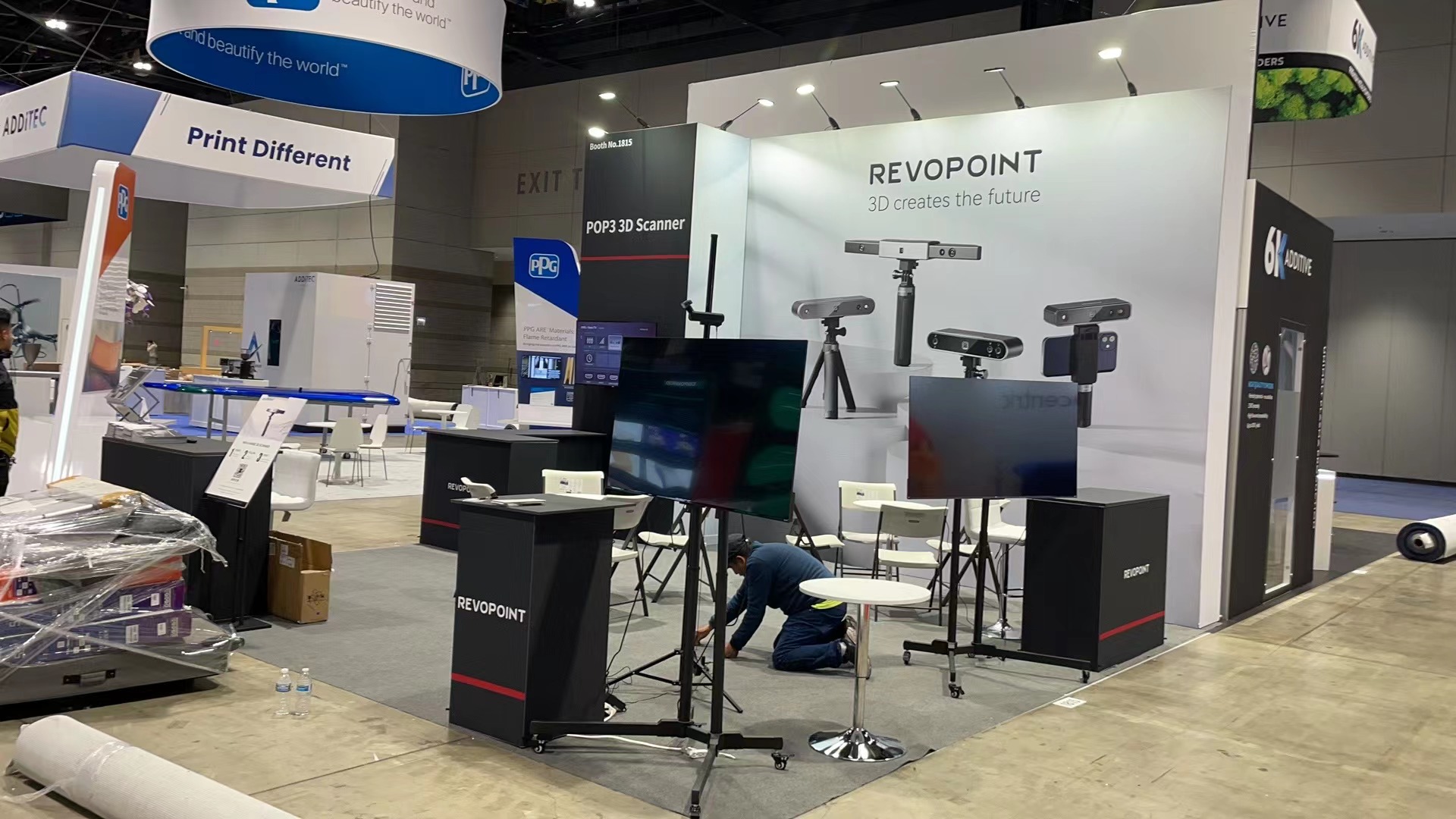 RAPID and TCT America Stand De Nov 14,2023
-
 RAPID and TCT America Stand De Nov 14,2023
-
 SupplySide Show America Stand Nov 13,2023
-
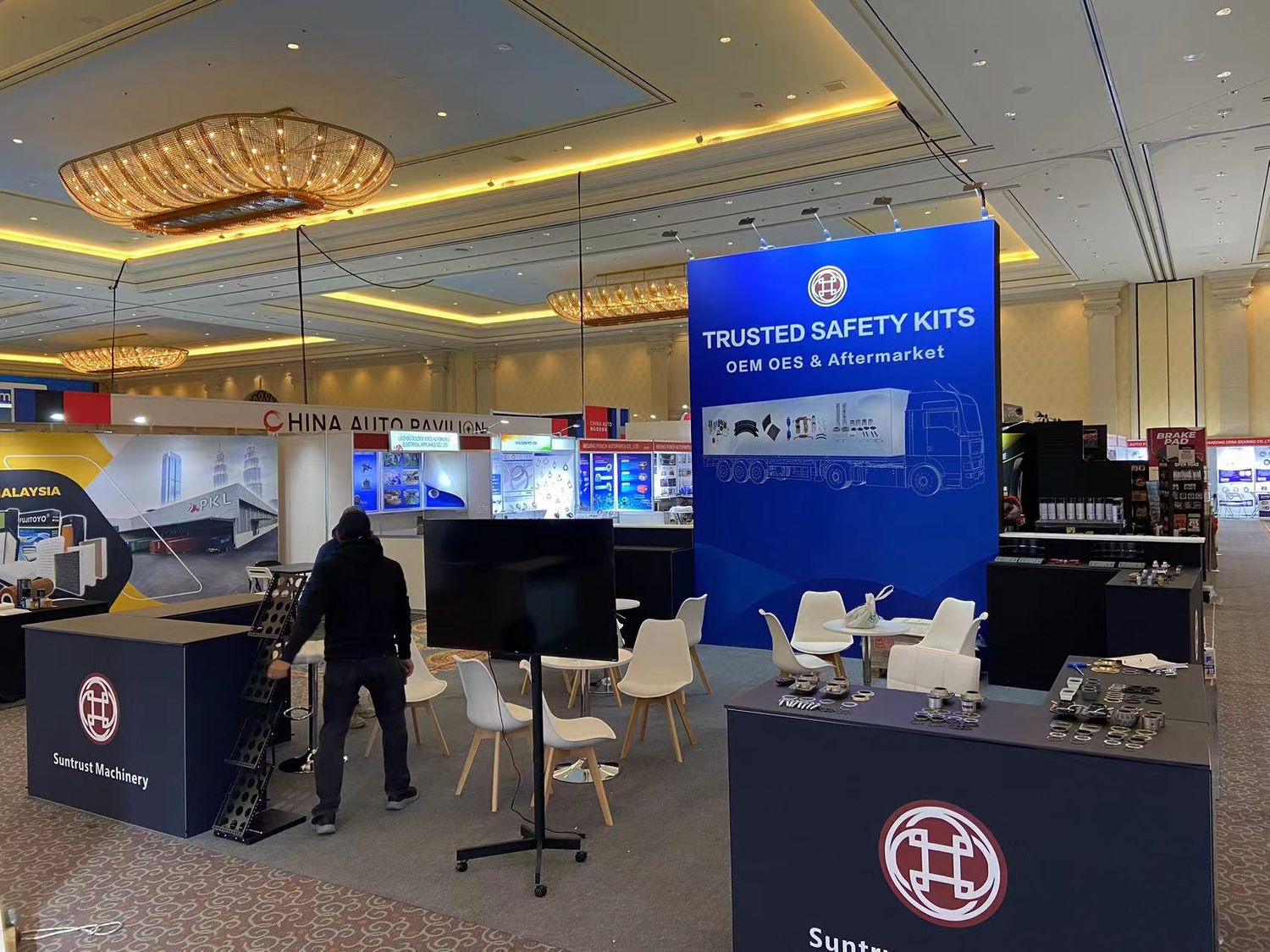 APPEX America Stand Design an Nov 01,2023
-
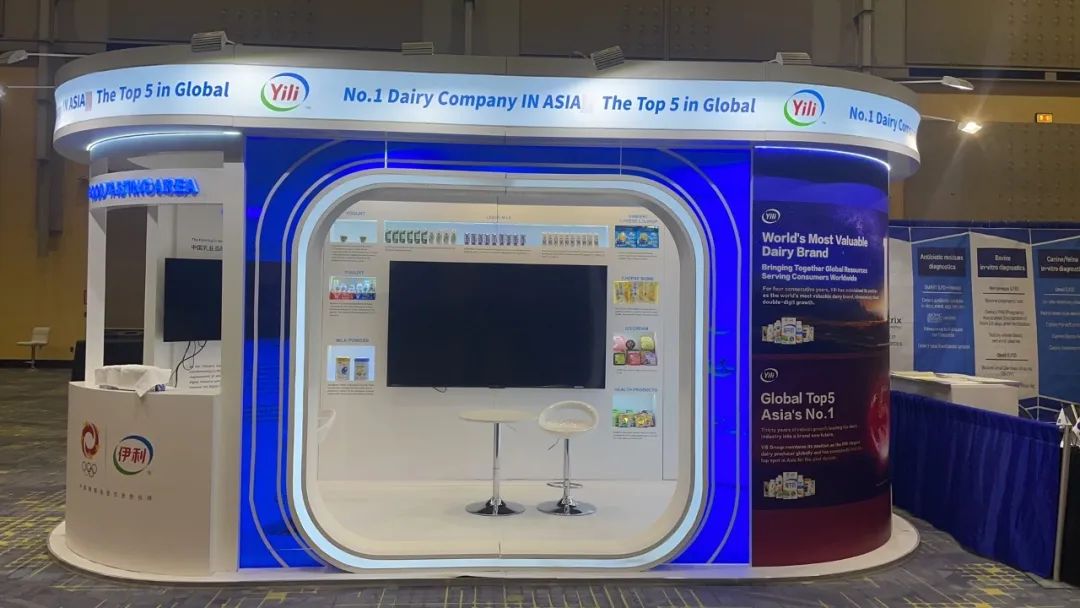 2023idf Stand Design and Build Oct 31,2023