Building a trade show booth in the USA can be an exciting and rewarding experience, but it requires careful planning and execution. Whether you’re a first-time exhibitor or a seasoned veteran, understanding the process and knowing the right steps to follow is crucial to ensure that your booth stands out and attracts attention. In this guide, we’ll walk you through the essential steps for building a successful trade show booth in the USA.
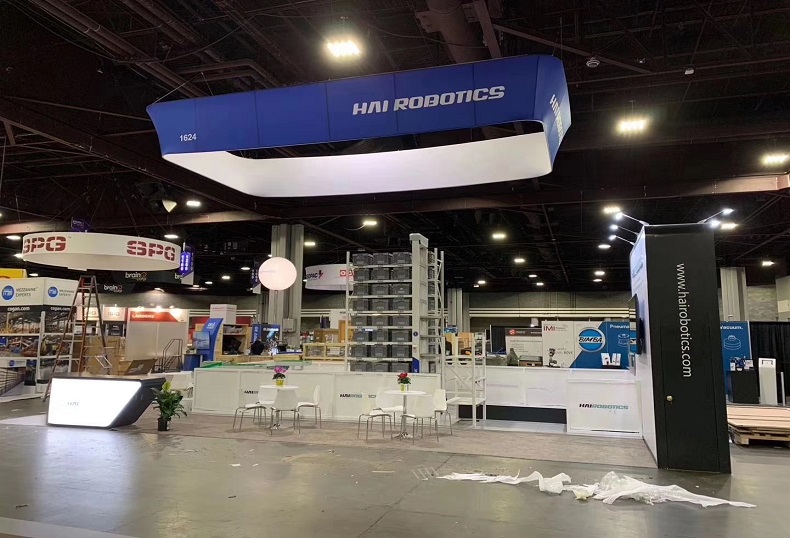
1. Understand the Event’s Requirements and Regulations
Before you begin designing and building your trade show booth, it’s crucial to thoroughly understand the specific rules and regulations set by the event organizers and the venue. Each trade show in the USA will have its own set of guidelines, which can vary by location, industry, and the type of booth you're building.
Key Considerations:
Booth Size and Space: Understand the booth dimensions you’ve been allocated and whether there are any restrictions on the height or layout of your booth.
union Labor Requirements: Many venues in the USA require union labor for tasks like booth setup, electrical work, and material handling. Check if your venue has such requirements.
Safety and Compliance: Each event will have safety regulations, including fire codes, electrical codes, and material restrictions. Make sure your booth complies with these rules to avoid penalties or delays.
Insurance: Some trade shows require exhibitors to have insurance. Make sure you are aware of any insurance requirements and obtain the necessary coverage.
Tip: Always request and carefully review the exhibitor manual provided by the event organizers to ensure compliance with all rules.
2. Set Your Budget
Building a trade show booth can be expensive, so it’s essential to set a clear budget before starting the design and construction process. The cost of booth construction will vary depending on several factors, including booth size, design complexity, materials, and technology integration.
Considerations:
Booth Design: Custom booths tend to be more expensive than modular or pre-built designs.
Materials: High-quality materials such as wood or metal can add to the cost, while lightweight materials like PVC and fabric may be more affordable.
Technology: Incorporating technology, such as digital screens, interactive displays, and virtual reality, will increase costs.
Shipping and Labor: Don’t forget to include the cost of transporting your booth to and from the event, as well as any union labor or setup assistance you might need.
Tip: Allocate a portion of your budget for unforeseen expenses and stick to your limits to avoid overspending.
3. Design Your Booth
The design of your booth is one of the most important factors in ensuring your success at a trade show. Your booth must effectively represent your brand, attract visitors, and showcase your products or services.
Key Design Elements:
Branding: Ensure your booth prominently displays your brand’s logo, colors, and messaging. Use high-quality signage and graphics that clearly communicate your value proposition.
Layout and Traffic Flow: Design the booth layout to encourage visitors to engage. Create an open space that allows for easy movement and interaction. Place key products or displays in visible locations to draw people in.
Lighting: Lighting plays a huge role in booth design. Use spotlights or backlighting to highlight your products and attract attention.
Technology: Incorporate interactive elements such as touchscreens, digital displays, or videos to engage visitors and demonstrate your products or services.
Functionality: Make sure your booth design is functional. Include enough storage for promotional materials, and consider adding seating areas or demonstration spaces for product presentations.
Tip: Work with an experienced booth designer who understands trade show dynamics and can help bring your vision to life within your budget.
4. Select Materials and Build Your Booth
Once you’ve finalized the design, it’s time to select the materials and begin constructing your booth. Choosing the right materials is essential for ensuring that your booth looks professional and can withstand the rigors of transport and assembly.
Popular Materials for Booth Construction:
Wood: Offers a sturdy and premium look but can be heavy and expensive.
Metal: Durable and sleek but may add to the weight and cost.
Fabric: Lightweight, affordable, and versatile, fabric is often used for banners, backdrops, and other display elements.
PVC and Plastic: Cost-effective materials that are often used for modular booths and lightweight structures.
Tip: Consider the durability of the materials. Your booth should be able to withstand multiple uses if you plan to attend more events in the future.
5. Assemble and Install Your Booth
Most trade shows have specific times set aside for booth setup and installation. This is where careful planning and coordination are crucial. Many U.S. venues require union labor for booth setup, and it’s essential to adhere to these labor rules to avoid penalties.
Key Steps:
Plan Your Setup Time: Confirm your setup time in advance and ensure you arrive early to allow for any unforeseen delays.
Hire Professional Installers: If the trade show requires union labor, or if your booth is complex, hire professional installers who are experienced with trade show setups.
Double-Check Compliance: Ensure that all booth components meet the venue’s regulations and that your booth is correctly assembled before the event opens.
Tip: Avoid last-minute changes to your booth design or materials to ensure that the assembly process goes smoothly.
6. Promote Your Booth Before and During the Event
Once your booth is set up, it’s important to attract visitors. A well-executed marketing strategy can make a significant difference in the amount of traffic you draw to your booth.
Strategies:
Pre-Event Marketing: Promote your booth on social media, through email campaigns, and on your website. Consider offering incentives, like giveaways or discounts, to attract visitors to your booth.
On-Site Engagement: Use engaging demos, presentations, and interactive elements to draw visitors to your booth. Encourage staff to actively approach passersby and engage with them.
Tip: Leverage social media and event hashtags to increase visibility and attract attendees to your booth.
7. Break Down and Pack Up After the Event
After the event, you’ll need to break down your booth and pack it up for transport. Be aware of the venue’s teardown schedule and make sure your booth is dismantled by the designated time.
Key Considerations:
Labor: If you’ve hired union labor for setup, you may also need to hire them for teardown.
Shipping: Arrange for shipping of your booth materials back to your location or storage facility.
Post-Event Evaluation: Take the time to evaluate the success of your booth and gather feedback from your team to improve future events.
Tip: Make sure everything is packed securely to avoid any damage during transport.
Conclusion
Building a trade show booth in the USA involves several key steps, from understanding the event’s regulations to designing and assembling your booth. By planning carefully, staying within budget, and working with experienced professionals, you can create a booth that attracts attention and helps achieve your business goals. Remember, success at a trade show starts with a well-planned booth and strategic execution.
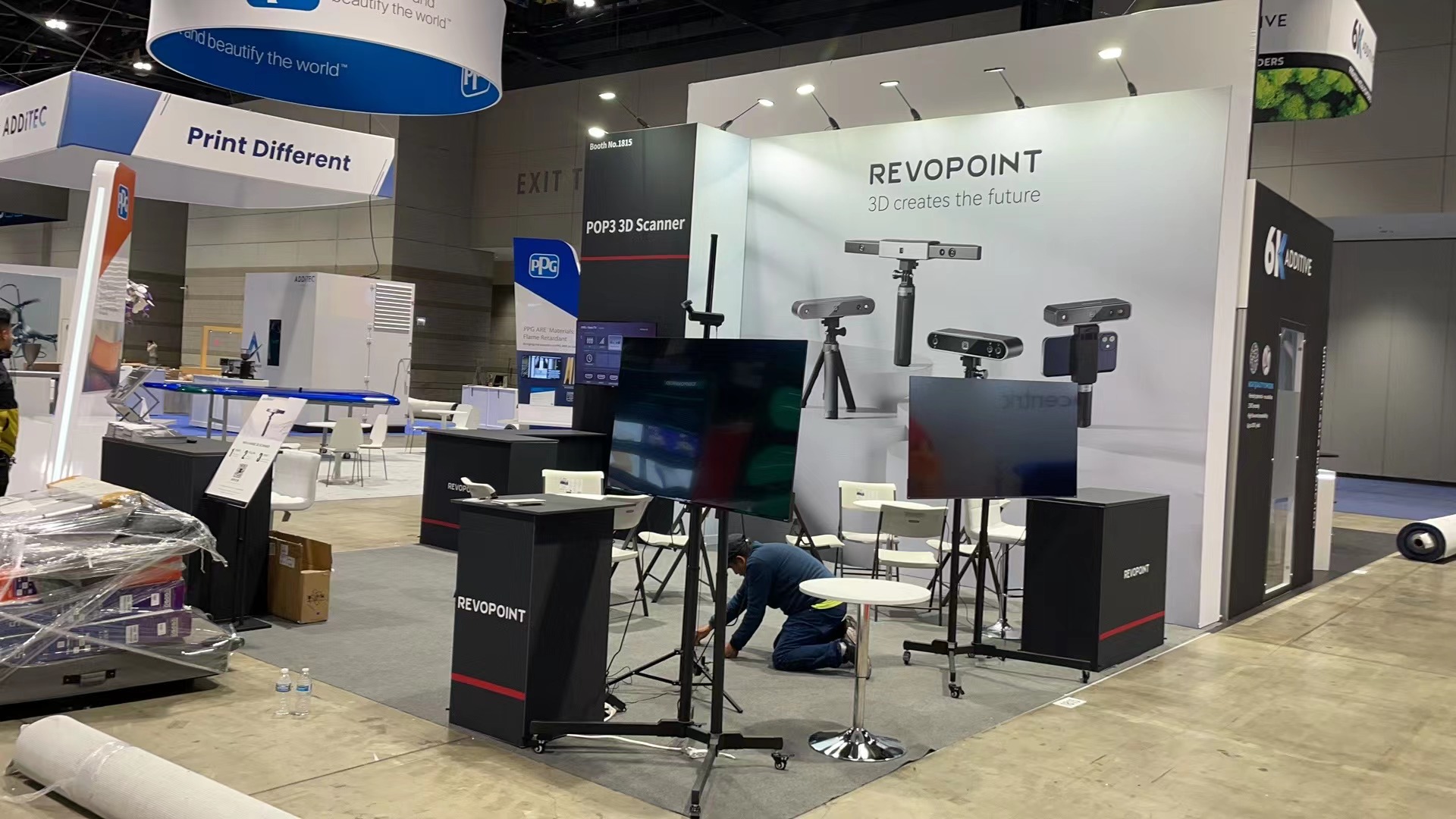 RAPID and TCT America Stand De Nov 14,2023
 RAPID and TCT America Stand De Nov 14,2023
 SupplySide Show America Stand Nov 13,2023
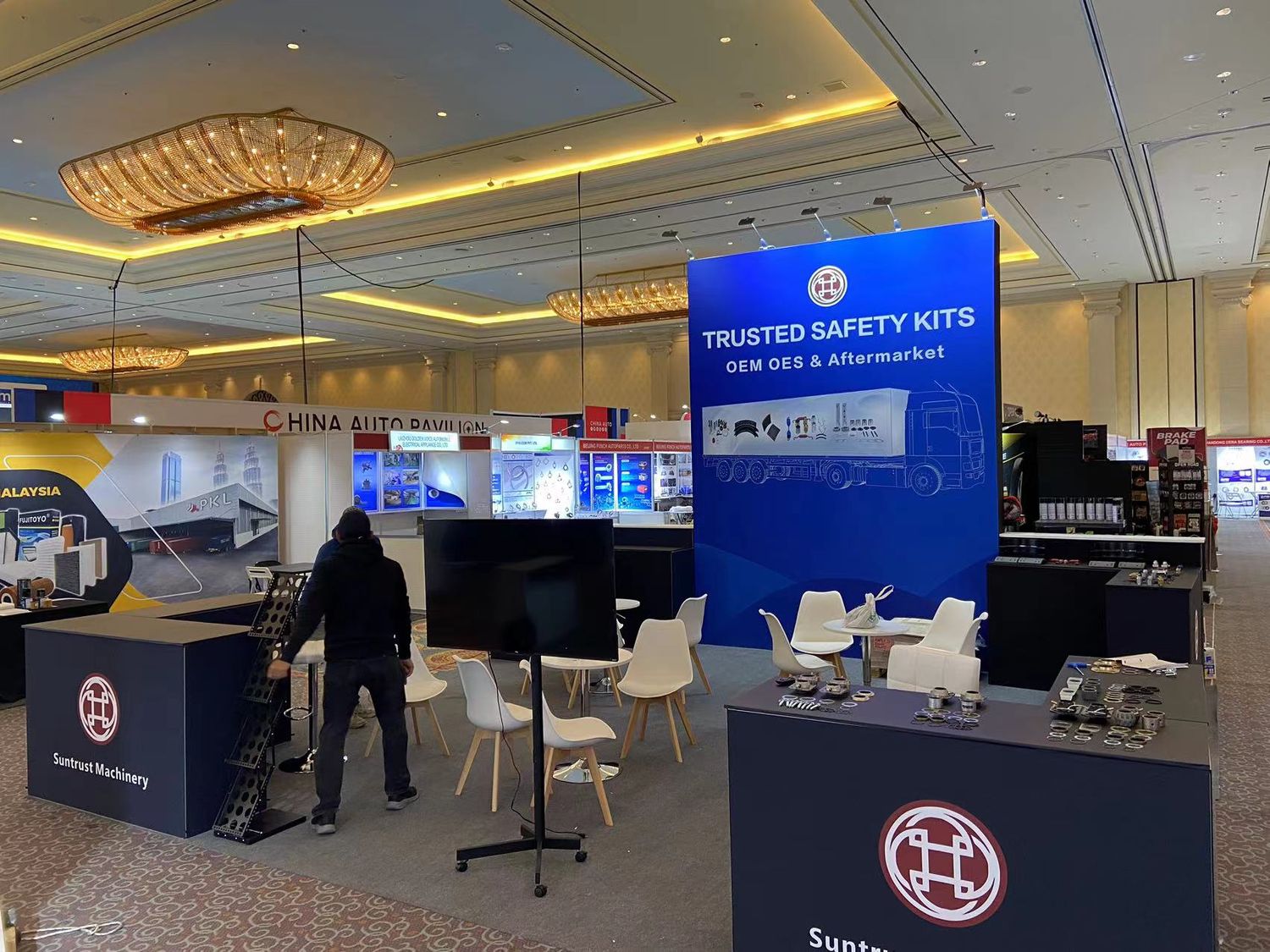 APPEX America Stand Design an Nov 01,2023
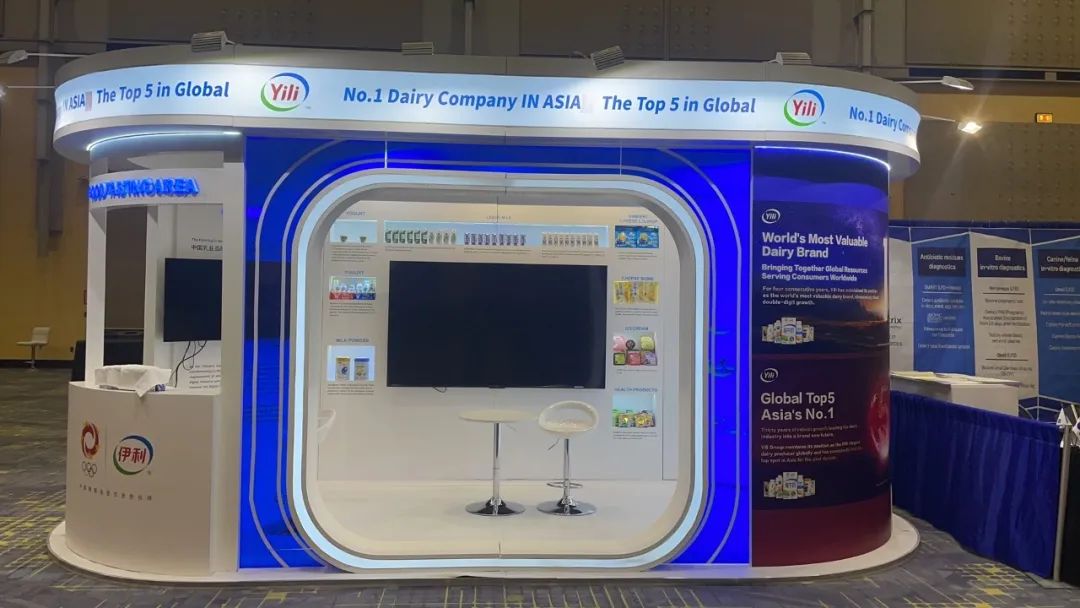 2023idf Stand Design and Build Oct 31,2023