How to Navigate Trade Show Booth Construction Rules in the USA: A Step-by-Step Guide
Participating in trade shows in the USA can be an exciting and profitable venture for your business, but it also requires careful planning, particularly when it comes to booth construction. If you’re unfamiliar with the construction rules and regulations, the process can seem overwhelming. However, with the right approach, you can navigate these requirements smoothly and create a booth that stands out. Here’s a step-by-step guide to help you navigate trade show booth construction rules in the USA.
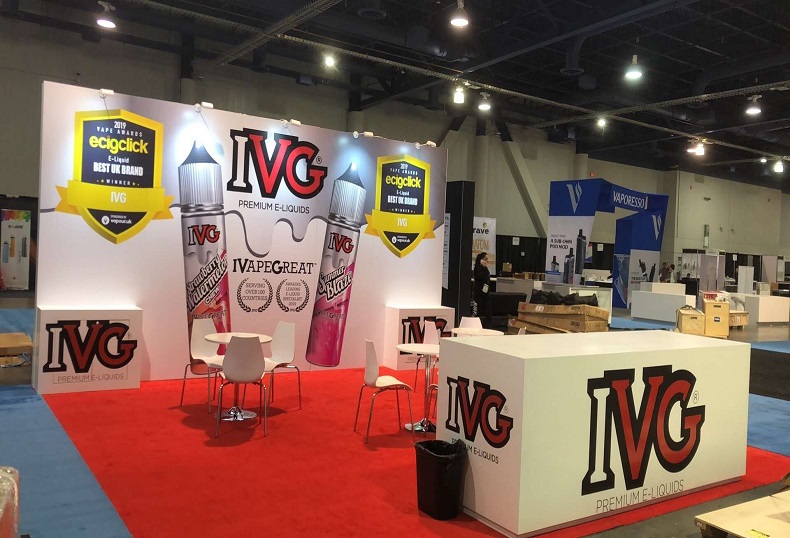
1. Understand the Venue's Regulations
Each trade show venue in the USA has its own set of rules and regulations regarding booth construction. These rules are typically provided in the exhibitor manual, which you will receive after registering for the event.
Key aspects to consider:
Booth Size and Layout: The size of your booth will dictate what type of structure you can use. For example, a 10x10 booth might have different construction rules compared to larger booths.
Height Limitations: Many venues have specific height restrictions for booths. For example, booths in inline spaces are often restricted to 8 feet in height, while island booths may be allowed to exceed that.
Electrical and Safety Codes: Some venues require specific safety protocols, such as fireproof materials, or require electrical work to be performed by union electricians.
union Labor: Some venues require exhibitors to hire union labor for certain tasks like setup and teardown. Be sure to check the exhibitor manual to understand labor requirements.
Tip: Always thoroughly review the exhibitor manual, as it will detail the specific construction rules, deadlines, and additional services like electricity and internet that you must arrange for.
2. Hire an Experienced Booth Construction Company
If you’re unfamiliar with the rules or processes involved in booth construction, it’s often best to work with a professional booth construction company. These companies specialize in trade show booth design and construction and are well-versed in the rules and regulations of different venues.
Benefits of Hiring a Booth Construction Company:
Expertise: Experienced booth designers will know the ins and outs of booth construction rules, including compliance with venue regulations, safety requirements, and union labor rules.
Time-Saving: They can manage the entire process from design to installation, ensuring that your booth is ready on time and adheres to all guidelines.
Creative Design: An expert booth builder can provide valuable input on how to maximize the use of your space, incorporate your branding, and attract visitors.
Tip: Choose a booth construction company with a proven track record at major U.S. trade shows. Look for companies that have experience with venues you plan to attend.
3. Work Closely with the Event Organizer
Event organizers play a crucial role in helping exhibitors understand and follow the rules. They are your main point of contact for information about venue regulations and can offer guidance on what is allowed and what is not.
How to Leverage the Event Organizer:
Ask Questions: If you are unsure about any aspect of the booth construction process, don’t hesitate to reach out to the event organizer. They can clarify any confusing rules or direct you to helpful resources.
Request a Site Visit: If you’re still unsure about your booth’s layout or design, some organizers allow you to schedule a site visit before the event to inspect the venue and better understand the available space.
Seek Support for Compliance: If you need assistance ensuring your booth meets the venue’s regulations (e.g., electrical requirements or fire safety codes), the event organizer can often provide assistance or recommend approved vendors.
Tip: Stay in touch with the event organizer throughout the process. They will have the most up-to-date information on venue policies and can help you avoid any missteps.
4. Create a Clear, Simple Booth Design
If you’re new to trade show booth construction, keeping the design simple and clear can help you avoid complications with the rules. A clean, straightforward booth design often requires fewer materials, simpler construction, and less risk of violating venue rules.
Design Tips for Simplicity:
Modular Booths: Modular booths are versatile, easy to assemble, and often less expensive. They are also usually compliant with most venue regulations.
Focus on Branding: Keep the design centered around your brand, with clear signage, simple graphics, and minimalistic elements. This allows visitors to easily understand your message without overcomplicating the design.
Flexibility: Consider a design that allows for flexibility in case you need to adjust to unforeseen venue constraints (e.g., size restrictions, electrical access).
Tip: If you’re unsure about design, start with a modular booth and work with a professional designer to ensure it meets your venue’s specifications.
5. Ensure Proper Permits and Documentation
Many U.S. venues require exhibitors to submit documentation or permits before constructing their booths. These can include:
Booth Design Plans: Some venues require that you submit detailed booth plans to ensure they meet size, structural, and safety regulations.
Electrical Plans: If your booth uses electrical components, you may need to submit detailed electrical plans to the venue's official contractor.
Insurance: Certain venues may require proof of insurance before you can set up your booth.
How to Manage Permits:
Submit Early: Ensure that all necessary permits and plans are submitted by the deadlines. Late submissions can delay your setup.
Review Requirements: Double-check the documentation requirements in the exhibitor manual to make sure you don’t miss anything.
Tip: Ensure all necessary paperwork is submitted in advance to avoid delays and last-minute costs.
6. Plan Your Booth Setup and Breakdown Time
Understanding the schedule for booth setup and breakdown is crucial to ensure you’re not rushed or penalized for delays.
Setup Time: Many venues offer specific setup times, and it’s important to stick to these. Make sure you account for time needed to assemble the booth and conduct last-minute checks.
Teardown Rules: Be aware of the designated teardown times. Some venues charge extra fees if the booth is not disassembled by the specified time.
Tip: Coordinate with your booth construction team and the event organizer to make sure you adhere to the setup and teardown schedule.
Conclusion
Navigating trade show booth construction rules in the USA can be challenging if you’re unfamiliar with the process, but with the right preparation and resources, you can easily ensure your booth meets all the required standards. By understanding the venue's regulations, hiring an experienced booth construction company, working closely with event organizers, and planning your booth design carefully, you’ll be well on your way to a successful and smooth trade show experience.
For more tips on how to comply with trade show booth construction rules or to start planning your booth, consult a professional booth designer who understands U.S. venue regulations and can guide you through the process.
Recent News
-
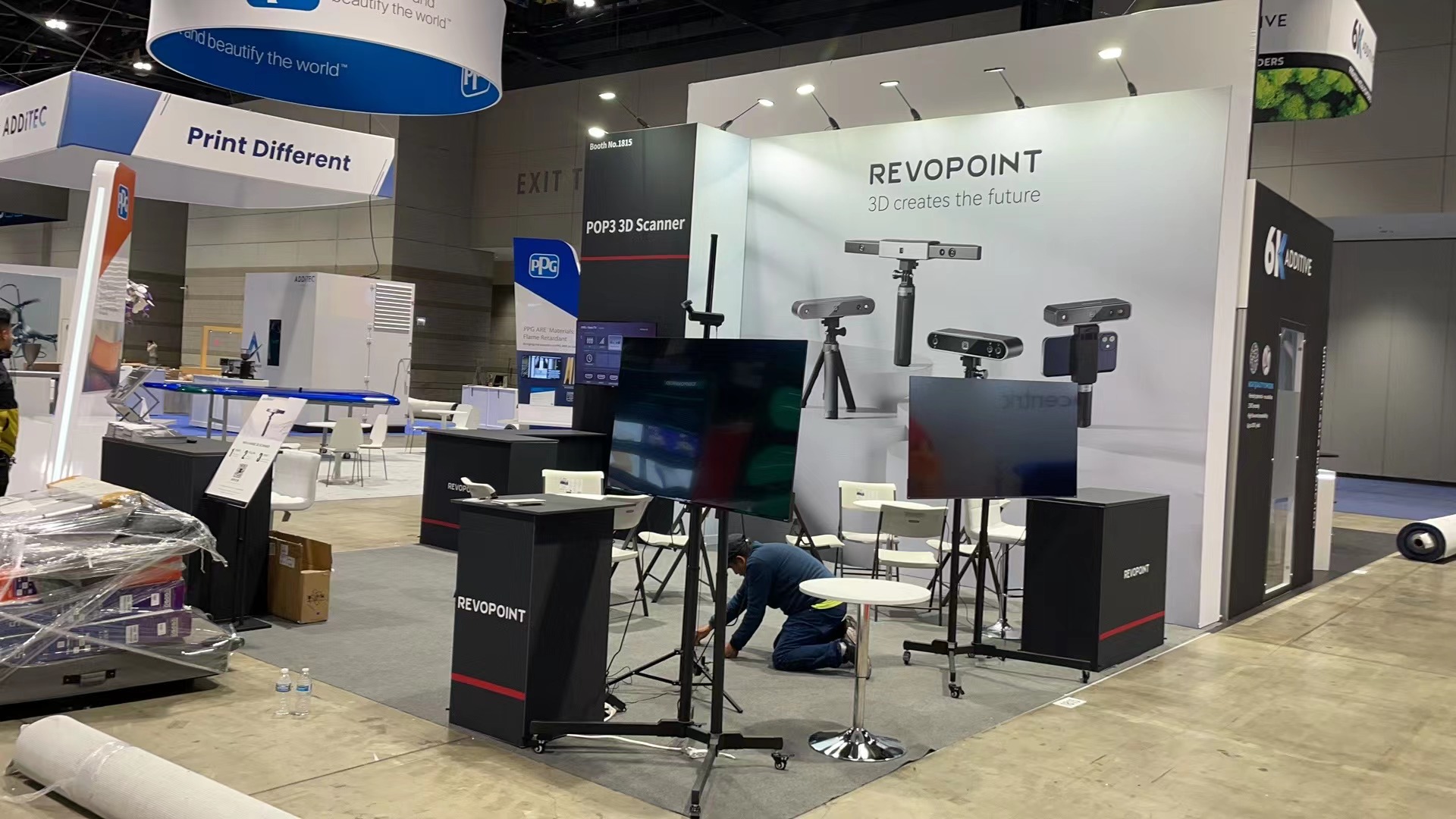 RAPID and TCT America Stand De Nov 14,2023
 -
 RAPID and TCT America Stand De Nov 14,2023
 -
 SupplySide Show America Stand Nov 13,2023
 -
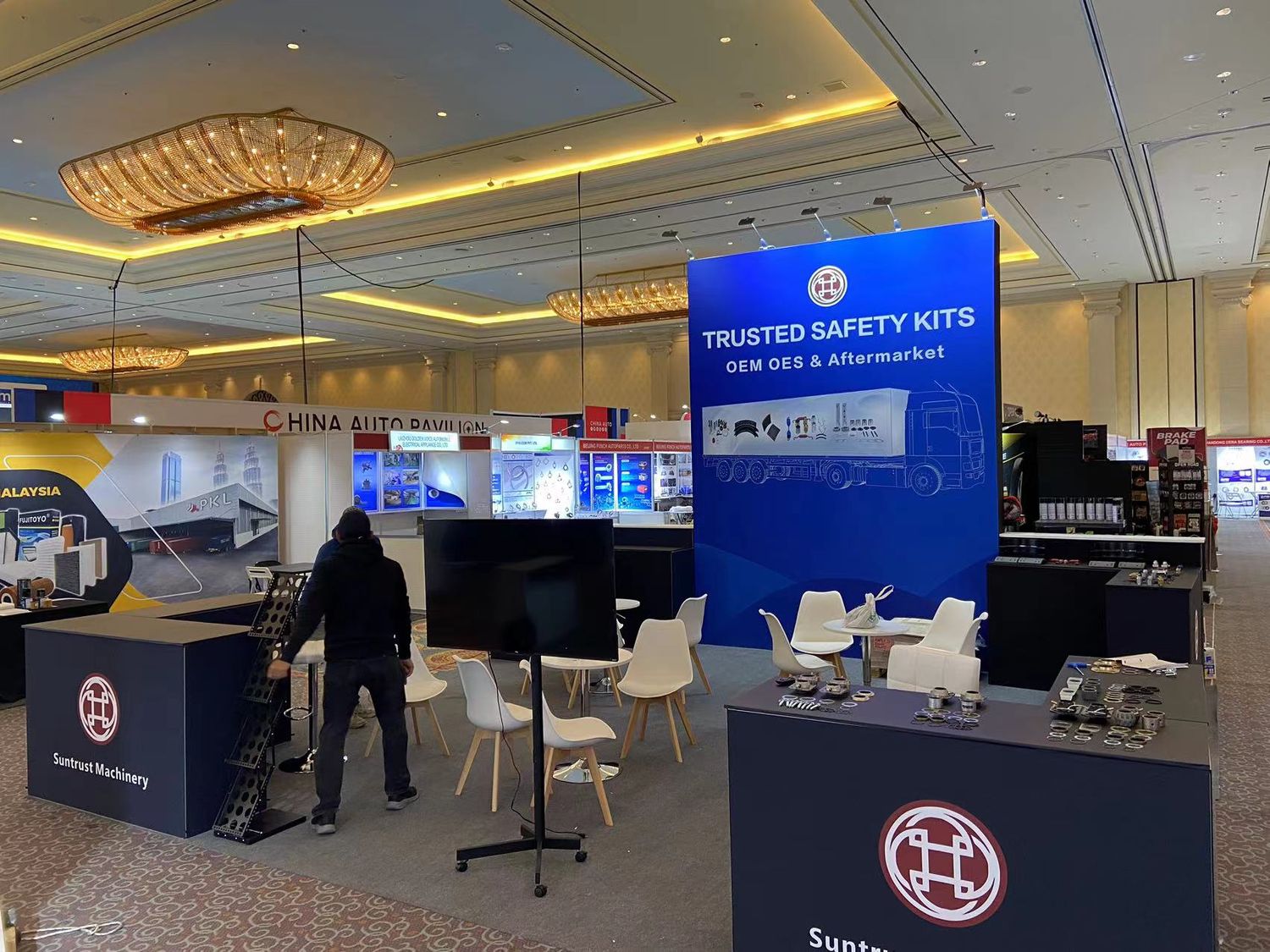 APPEX America Stand Design an Nov 01,2023
 -
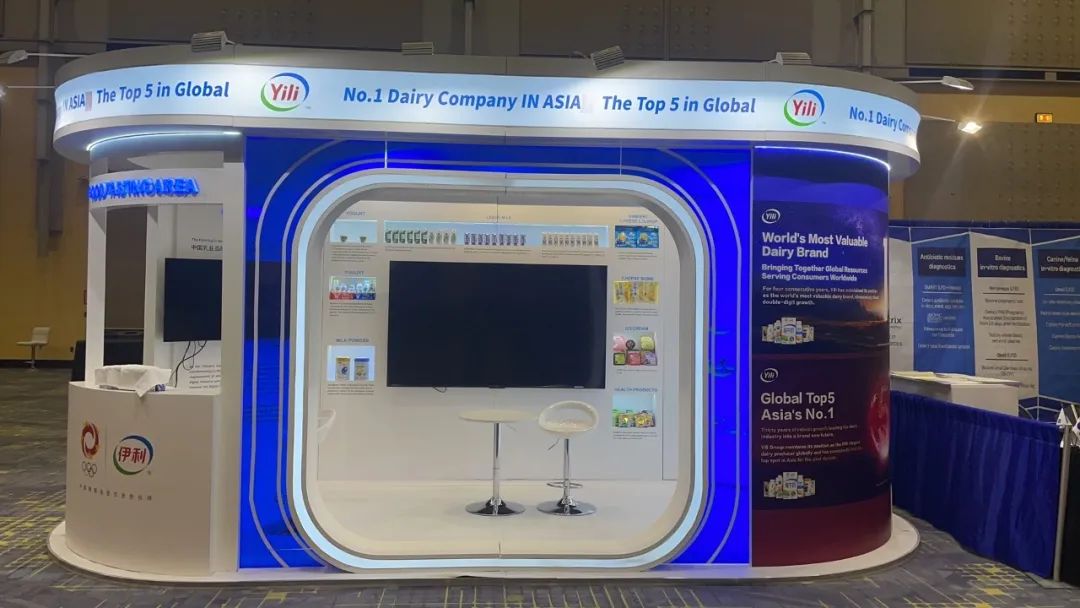 2023idf Stand Design and Build Oct 31,2023