5 Key Strategies for High-Impact US Trade Show Booths: Quality, Compliance & Engagement
To stand out in competitive US trade shows, exhibitors must balance regulatory compliance, innovative design, and strategic engagement. Below are five actionable strategies to ensure your booth delivers both quality and results.

1. Compliance First: Navigate US Regulations
US venues enforce strict safety and accessibility standards. Key requirements include:
Fire Safety: Materials must meet NFPA 701 flame resistance standards for textiles and displays.
ADA Compliance: Ensure aisles (≥36 inches wide) and interactive elements accommodate wheelchair access.
Documentation: Submit 3D renderings and electrical plans 60+ days pre-event for approval.
Partnering with local contractors familiar with OSHA and venue-specific rules can prevent last-minute rejections.
2. Material Selection: Durability Meets Sustainability
US exhibitors prioritize eco-friendly and reusable materials to align with venues like McCormick Place (Chicago), which mandates recycling programs. Optimize choices:
Modular Systems: Aluminum frames with magnetic panels reduce waste and shipping costs by 30%.
High-Tech Surfaces: Use LED-integrated acrylic or recycled PET fabric for dynamic branding.
Lighting: Energy-efficient LED strips with motion sensors cut power costs by 40%.
3. Tech-Driven Engagement: Immersive Experiences
Integrate interactive tools to boost dwell time and lead generation:
AR/VR Demos: replace bulky equipment with holographic product tours (e.g., Imperial Star Solar’s VR energy solutions).
Smart Displays: Deploy touchscreen kiosks with real-time data (e.g., Frese’s interactive HVAC walls).
Live Social Feeds: Stream booth activity on LinkedIn/X to attract off-site audiences.
4. Budget Optimization: Avoid Hidden Costs
US booth expenses often exceed budgets due to overlooked fees:
Labor: Unionized workers charge $50–80/hour; prefabricate structures offsite to minimize on-site hours.
Utilities: 220V outlets cost $1,500+; negotiate package deals with venue-approved vendors.
Logistics: Use CSA-certified freight partners to avoid customs delays (e.g., CEVA Showfreight).
Allocate 10–15% of your budget for contingencies like weather disruptions or last-minute design tweaks.
5. Post-Show Follow-Up: Maximize ROI
Turn booth visits into contracts with systematic follow-ups:
Lead Tagging: Use QR code scanners to categorize prospects by interest level.
Personalized Emails: Reference specific interactions (e.g., “Thanks for trying our AR demo!”) within 48 hours.
Data Analytics: Track engagement metrics (e.g., dwell time, scan rates) to refine future designs.
A successful US trade show booth hinges on meticulous planning, tech integration, and localized execution. By prioritizing compliance, sustainability, and interactive experiences, your brand can cut through the noise and leave a lasting impression.
Recent News
-
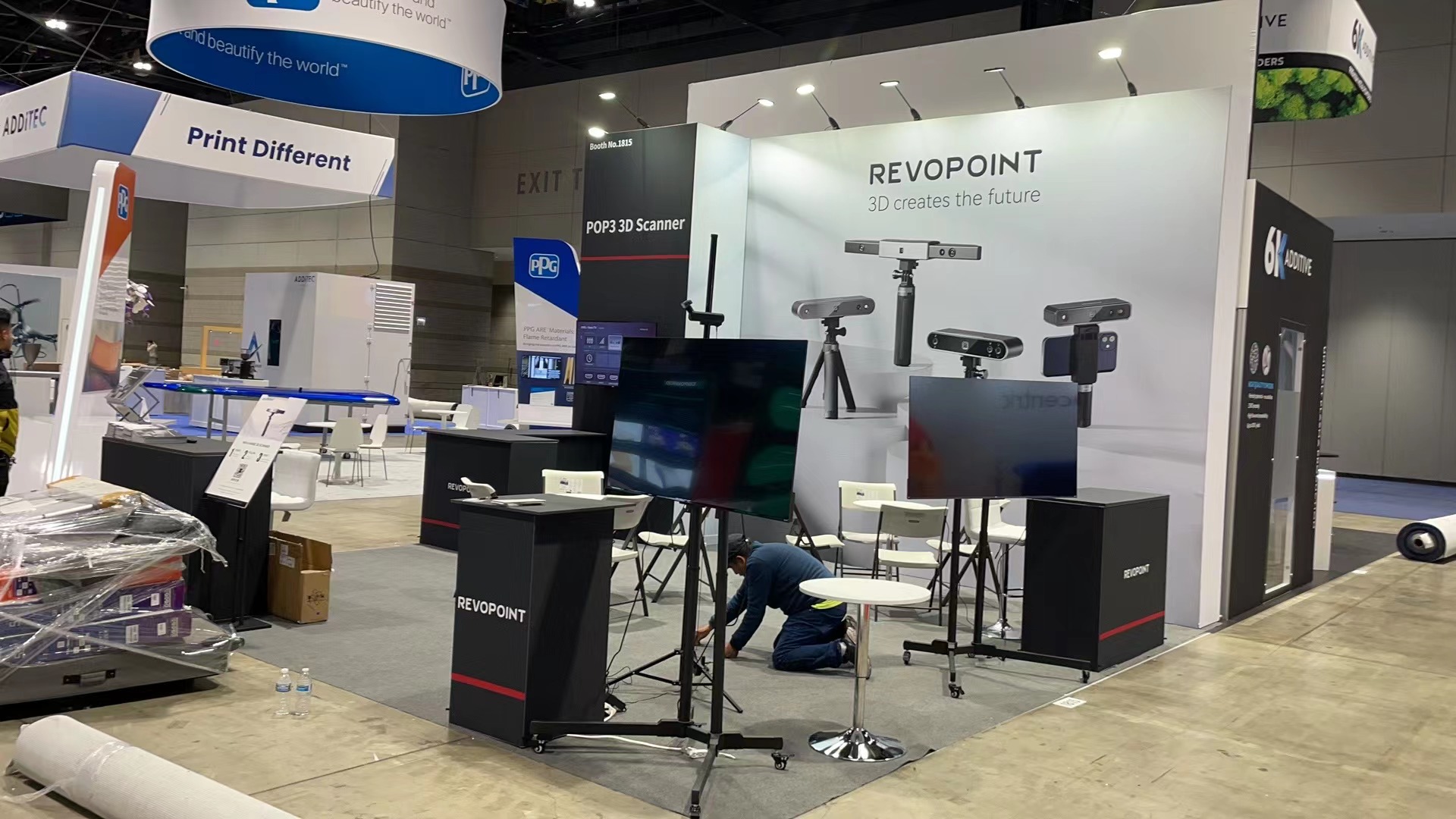 RAPID and TCT America Stand De Nov 14,2023
-
 RAPID and TCT America Stand De Nov 14,2023
-
 SupplySide Show America Stand Nov 13,2023
-
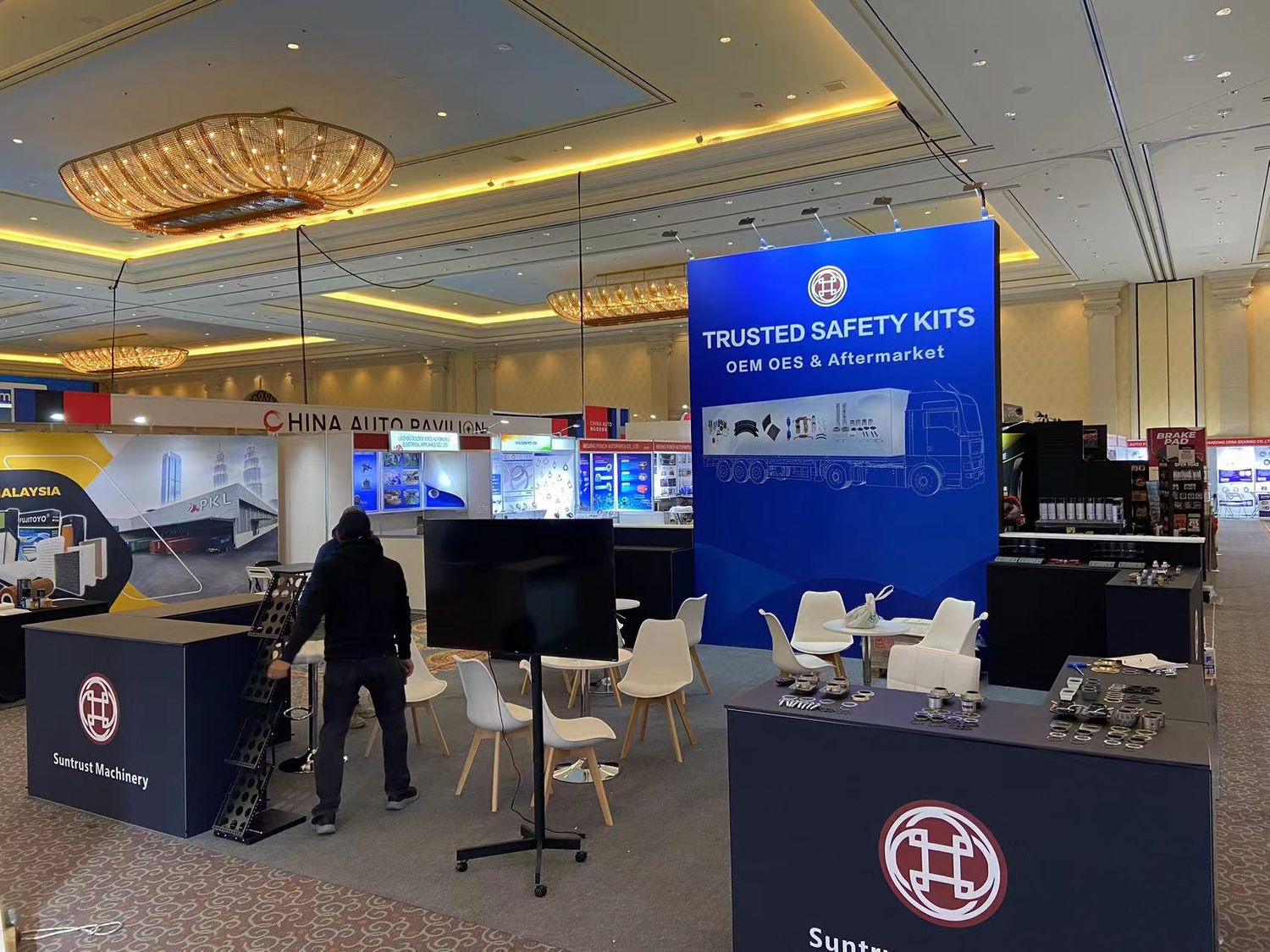 APPEX America Stand Design an Nov 01,2023
-
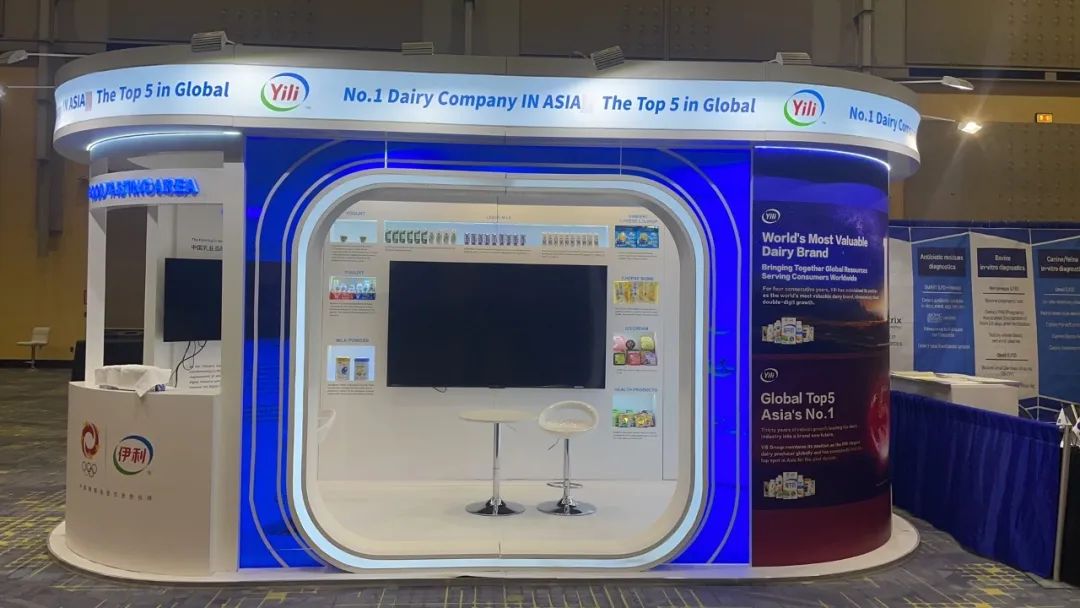 2023idf Stand Design and Build Oct 31,2023