Key Considerations When Designing and Building a Trade Show Booth in the USA
Participating in trade shows in the USA provides businesses with a valuable opportunity to engage with potential customers, build brand awareness, and network within the industry. However, creating a successful booth requires careful planning, thoughtful design, and understanding of industry standards. Here are key considerations when designing and building a trade show booth in the USA.

1. Understand the Venue and Its Regulations
Each venue has its own set of rules and guidelines regarding booth construction. It's crucial to familiarize yourself with these regulations before beginning the design process. Some of the essential points to consider include:
Booth Size: Determine the exact dimensions of your booth space. Be sure to consider the layout, including walls, entrances, and any obstructions that might affect visibility or traffic flow.
Height Restrictions: Many trade shows have strict height regulations. Booths may be restricted to a certain height (e.g., 8 feet, 10 feet) unless they are in designated island spaces.
Electrical and Safety Codes: Ensure that your booth complies with fire safety regulations, as well as electrical codes, particularly when incorporating lights or multimedia displays.
Tip: Work with an experienced booth designer or contractor familiar with the specific venue’s requirements to ensure compliance.
2. Reflect Your Brand Identity
Your trade show booth is an extension of your brand. The design should clearly reflect your company’s values, colors, and messaging. Here are key aspects to focus on:
Branding Consistency: Use your logo, brand colors, and tagline prominently in the booth design. Consistent branding across all marketing materials (e.g., brochures, business cards, digital ads) helps reinforce your identity.
Clear Messaging: Ensure your messaging is simple and easy to understand. Trade show visitors typically only spend a few seconds at each booth, so it’s essential to quickly communicate your value proposition.
Tip: Create a strong, cohesive design that immediately communicates who you are and what you do.
3. Optimize Booth Layout and Traffic Flow
The layout and design of your booth should be structured to encourage visitors to engage with your team and product displays. Consider these design tips:
Open Layout: Avoid making your booth feel cramped or inaccessible. Leave enough space for visitors to comfortably move through the booth, view displays, and interact with your team.
Strategic Display Placement: Place your most eye-catching products or displays at the front of the booth to draw in passersby. Ensure that key product demos, promotional materials, and digital displays are clearly visible.
Visitor Engagement: Plan for interactive elements like touchscreens, product demos, or virtual reality experiences that can create a memorable experience and encourage visitors to stop and engage.
Tip: Design a booth that invites visitors in while keeping the flow of traffic smooth and organized.
4. Use High-Quality, Sustainable Materials
The materials you use to build your booth can have a significant impact on both the look and durability of your display. Choosing the right materials is key to ensuring your booth stands out and lasts through multiple events.
Sustainable Options: Sustainable design is becoming increasingly important. Consider using eco-friendly materials, such as recycled wood, biodegradable fabrics, and LED lighting, which not only reduce your environmental impact but also appeal to environmentally conscious customers.
Durable Construction: Trade show booths are often assembled and dismantled multiple times, so it's essential to choose sturdy materials that will withstand wear and tear.
Tip: Invest in durable, high-quality materials that align with your sustainability goals and can be reused at future events.
5. Incorporate Technology Effectively
Technology can enhance your booth’s appeal and engagement levels. Consider incorporating the following:
Digital Displays: Large, high-definition screens or video walls can be used to display product videos, customer testimonials, or company presentations. Interactive digital displays can also be used to engage visitors more effectively.
Interactive Elements: Virtual reality (VR), augmented reality (AR), and interactive touchscreens can create unique, immersive experiences that engage visitors for longer periods and leave a lasting impression.
Lead Capture Tools: Use technology to streamline lead capture and data collection. QR codes, digital sign-ups, or mobile apps can help track visitor information for post-show follow-up.
Tip: Integrate technology that enhances your message without overwhelming the overall booth experience.
6. Lighting and Ambience
Lighting is one of the most important design elements in any trade show booth. It can attract attention, create a specific atmosphere, and highlight key elements in your display.
Highlight Key Products: Use spotlights or focused lighting to highlight your key products or displays.
Set the Mood: Lighting can set the mood for your booth. Soft lighting creates a comfortable and welcoming atmosphere, while brighter lighting can energize and create excitement.
Tip: Consider hiring a lighting professional who understands the impact of lighting in a trade show environment to design the perfect lighting plan.
7. Budget and Cost Considerations
Budgeting for a trade show booth is an essential part of the planning process. Costs can quickly add up, so it’s important to know where your money is going and make strategic choices.
Booth Design and Construction: The design and materials will be a significant portion of your budget, but other expenses like booth space rental, shipping, labor, and utilities can also add up.
Hidden Costs: Don't forget to factor in costs for lead retrieval systems, promotional materials, booth installation and dismantling, and any extra features like custom furniture or flooring.
Tip: Plan ahead to avoid surprises, and always request detailed quotes from vendors to understand all the associated costs.
8. Staffing and Training
Your booth design is important, but the success of your booth also depends on your team’s ability to engage with visitors. Ensure that your staff is well-trained, approachable, and knowledgeable about your products and services.
Staff Training: Train your booth staff on how to approach visitors, answer questions, and qualify leads.
Engagement: Make sure your staff is engaging and approachable. An unfriendly or distracted team can turn visitors away.
Tip: Equip your booth staff with the tools they need to engage with attendees effectively and make a positive impression.
Conclusion
Designing and building a trade show booth in the USA involves a blend of creativity, strategy, and practical considerations. By focusing on branding, layout, materials, technology, and staffing, you can create a booth that not only attracts attention but also generates meaningful leads and enhances your brand’s visibility. With careful planning, attention to detail, and a clear understanding of the trade show environment, you’ll be well on your way to success at your next event.
For more information on trade show booth design and construction, or to get started on your next project, contact an experienced booth design team today.
Recent News
-
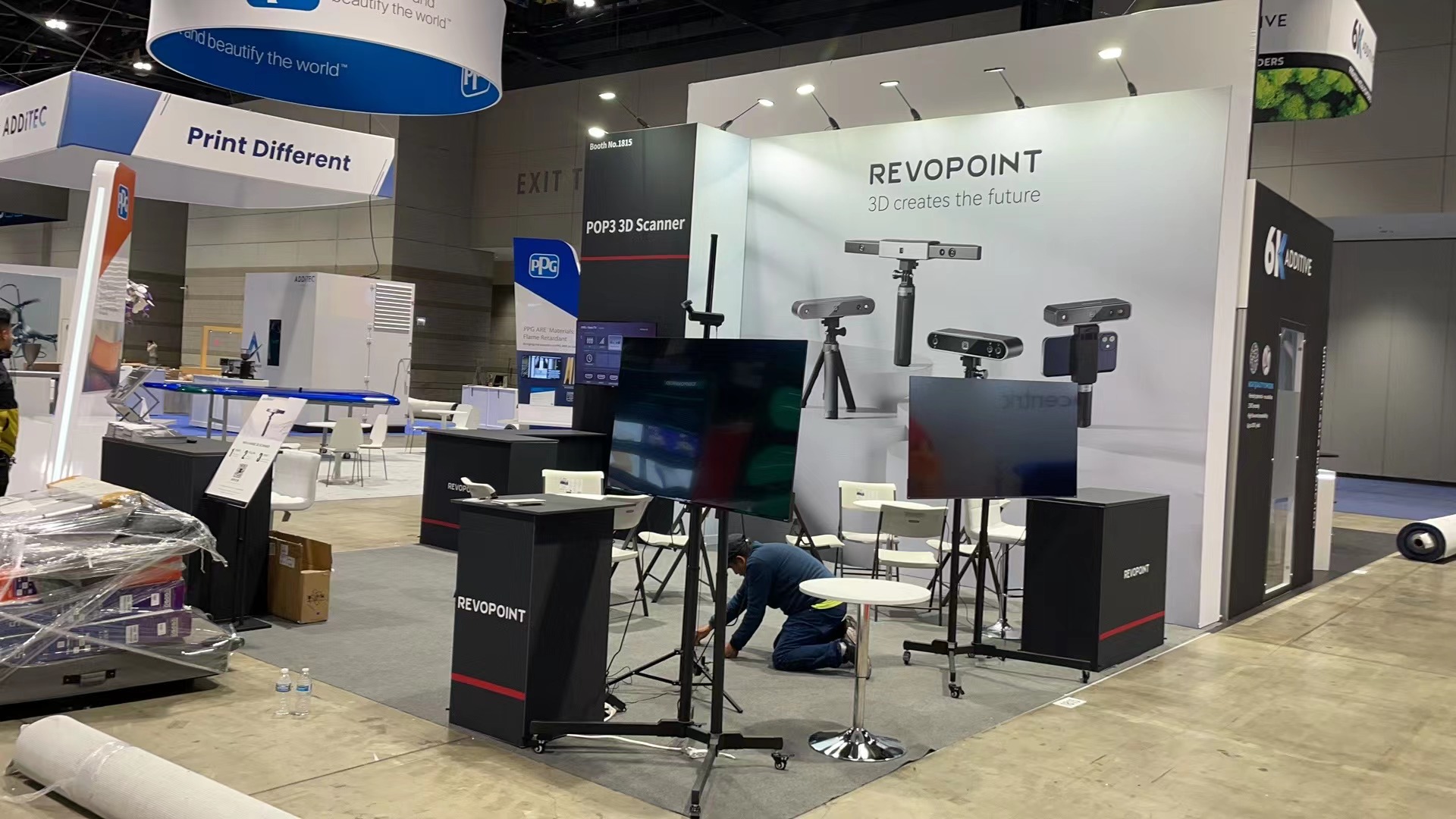 RAPID and TCT America Stand De Nov 14,2023
 -
 RAPID and TCT America Stand De Nov 14,2023
 -
 SupplySide Show America Stand Nov 13,2023
 -
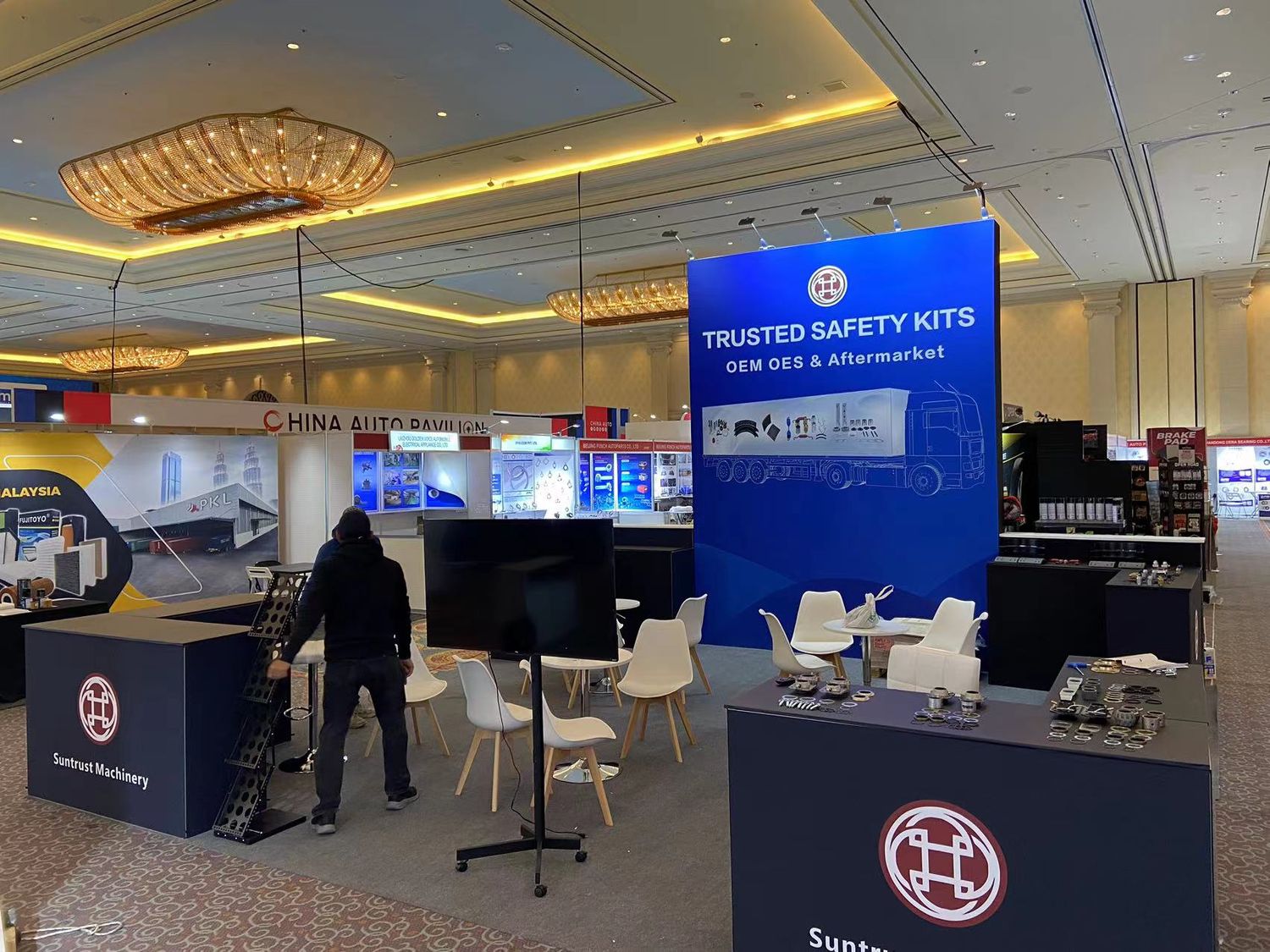 APPEX America Stand Design an Nov 01,2023
 -
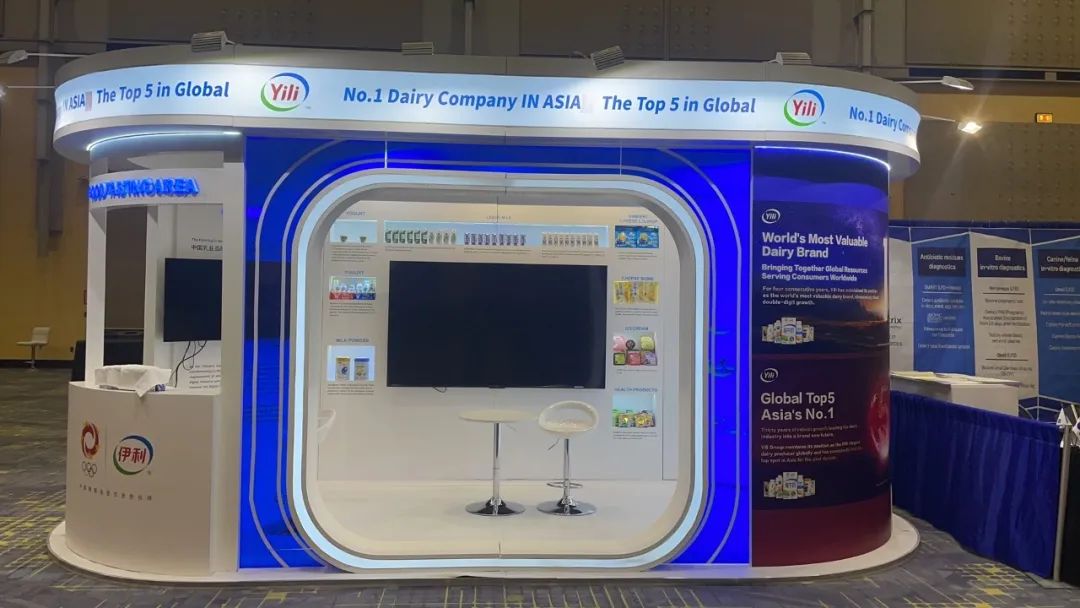 2023idf Stand Design and Build Oct 31,2023