Common Issues During Exhibition Booth Inspection in the U.S. and How to Avoid Them
Exhibition booth inspection is a critical phase in ensuring a successful trade show presence. In the U.S., strict standards and cultural expectations often lead to unexpected challenges during this process. Here’s a breakdown of common issues and actionable solutions to streamline your next booth inspection.

1. Non-Compliance with Safety Regulations
U.S. exhibitions enforce rigorous safety protocols, including fire codes, structural stability, and electrical safety. Common violations include unstable structures, exposed wiring, or insufficient emergency exits. For example, overloaded electrical circuits or improper material flammability ratings can lead to failed inspections.
Solution: Partner with local experts familiar with OSHA standards and venue-specific rules. Conduct pre-inspection checks to ensure all materials and designs meet safety requirements.
2. Material and Structural Deficiencies
Subpar materials or rushed construction often result in visible flaws, such as uneven surfaces, peeling graphics, or wobbly installations. These issues not only fail inspections but also harm brand credibility.
Solution: Use durable, eco-friendly materials that comply with U.S. sustainability norms. Test structural integrity during assembly and allocate time for adjustments.
3. Technical Malfunctions
Interactive displays, lighting, or AV equipment that malfunction during inspection can derail approvals. Issues like faulty touchscreens, inconsistent lighting, or audio delays are frequent culprits.
Solution: Test all technical components thoroughly before inspection. Have backup equipment and technicians on standby to address last-minute glitches.
4. Layout and Accessibility Issues
Poorly planned booth layouts may obstruct foot traffic, violate ADA accessibility guidelines, or hinder visibility. For instance, narrow pathways or improperly placed signage can trigger non-compliance.
Solution: Optimize space using 3D modeling tools to simulate visitor flow. Ensure compliance with ADA requirements for wheelchair access and clear signage.
5. Cultural Misalignment
Designs that clash with U.S. aesthetic preferences or cultural norms—such as overly flashy visuals or inappropriate color schemes—may face rejection.
Solution: Research regional trends and collaborate with local designers to align your booth with audience expectations while maintaining brand identity.
6. Logistical Delays
Late material deliveries or incomplete setups due to poor time management often lead to rushed inspections and oversights.
Solution: Create a detailed timeline with buffer periods for unexpected delays. Confirm shipping schedules and venue access times in advance.
7. Documentation Gaps
Missing permits, insurance certificates, or material safety data sheets (MSDS) can delay approvals.
Solution: Prepare a checklist of required documents and verify their availability before inspection day.
Navigating U.S. exhibition booth inspections requires meticulous planning, cultural awareness, and adherence to local regulations. By addressing these common pitfalls—safety compliance, material quality, technical reliability, and logistical efficiency—you can ensure a seamless approval process and maximize your trade show impact. Proactive collaboration with experienced local partners and thorough pre-inspection rehearsals are key to avoiding costly setbacks.
Recent News
-
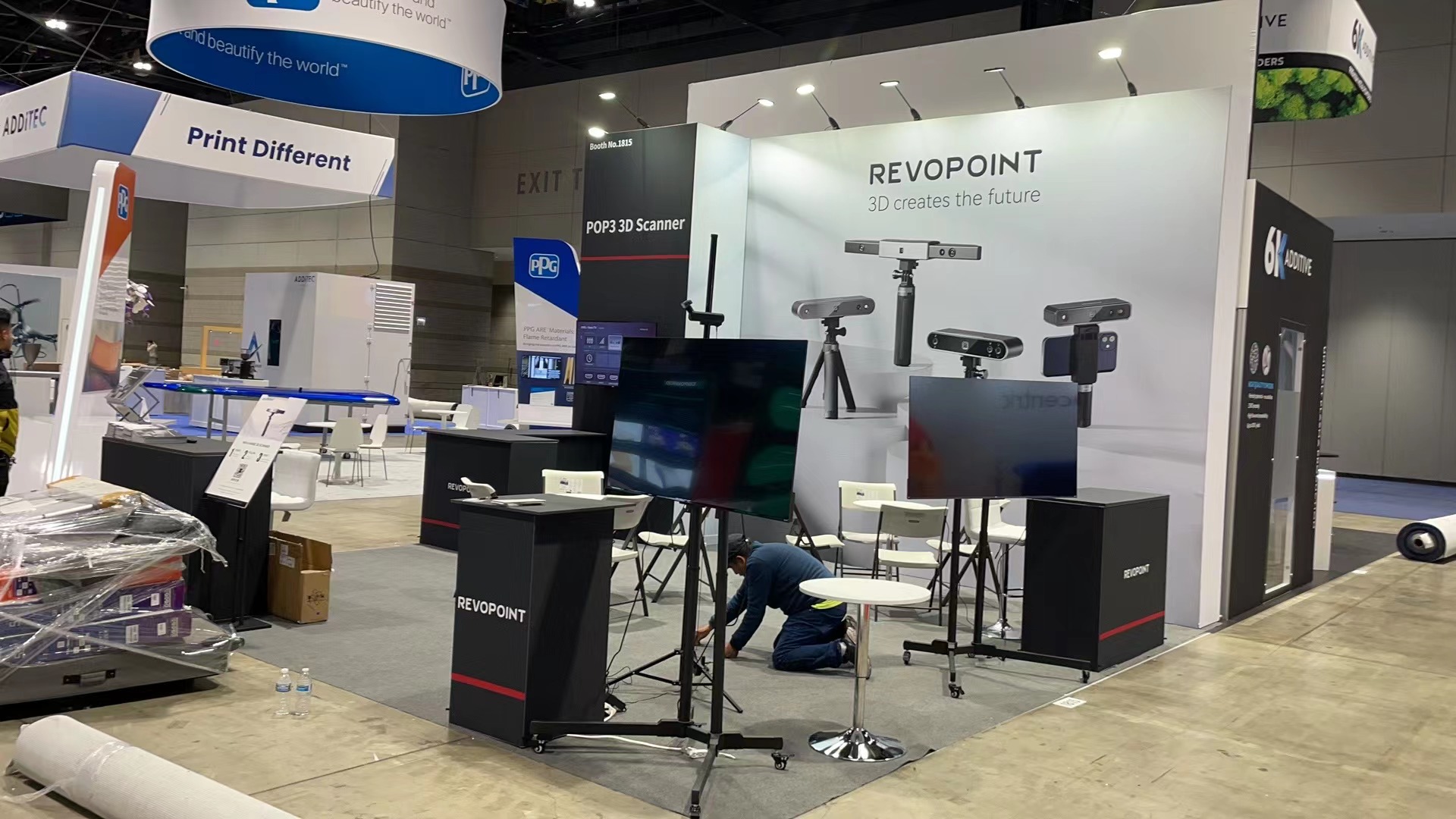 RAPID and TCT America Stand De Nov 14,2023
-
 RAPID and TCT America Stand De Nov 14,2023
-
 SupplySide Show America Stand Nov 13,2023
-
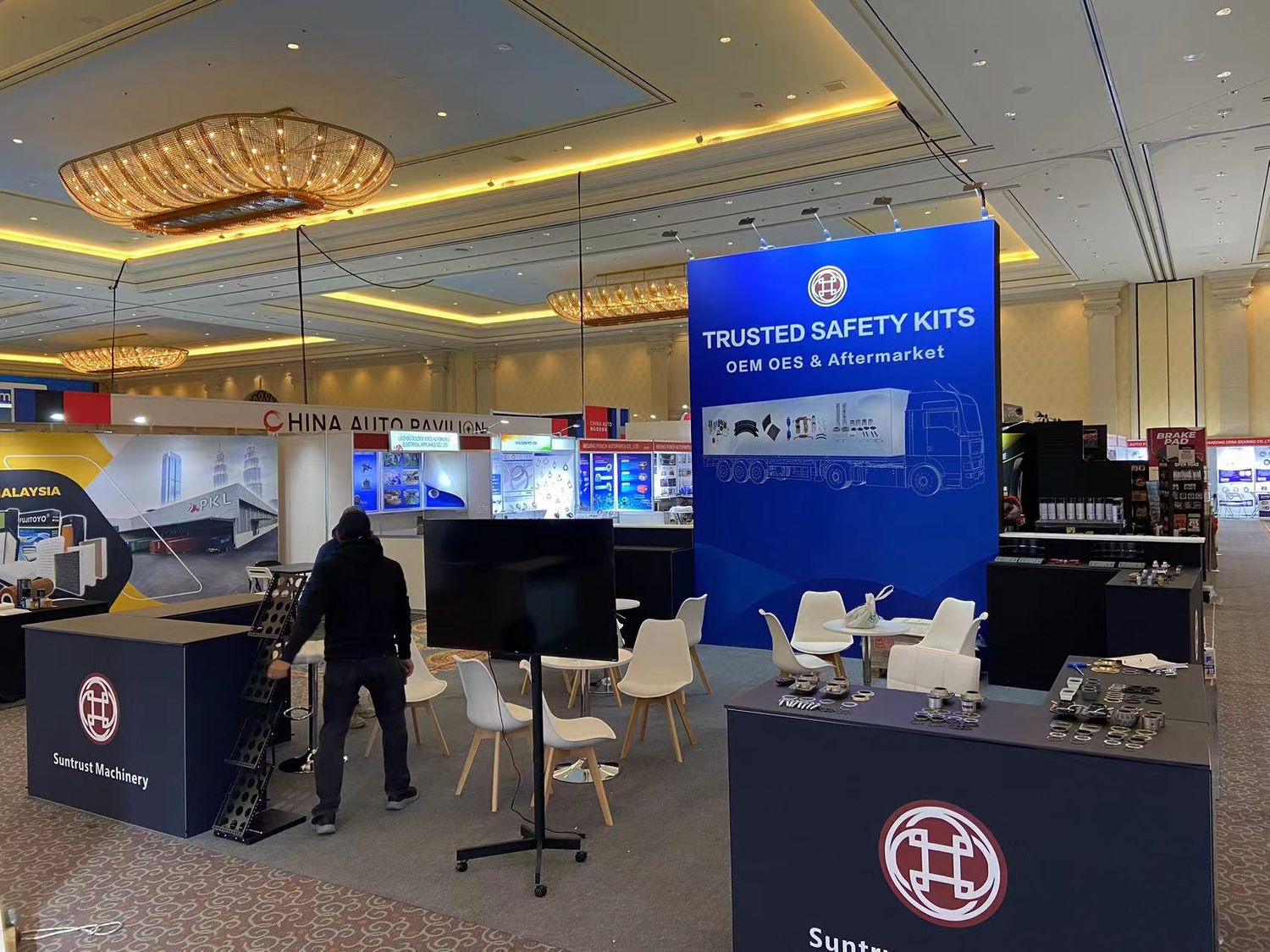 APPEX America Stand Design an Nov 01,2023
-
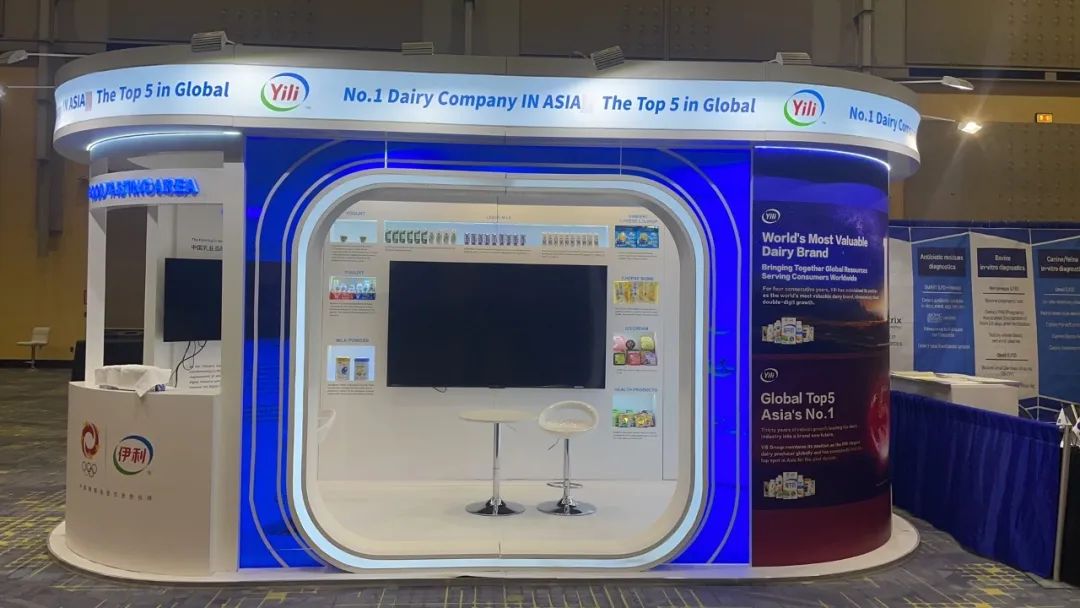 2023idf Stand Design and Build Oct 31,2023