Understanding union Labor Requirements and Costs for U.S. Trade Show Booth Setup
Exhibiting at trade shows in the United States often necessitates the use of union labor for booth installation and dismantling, especially in major cities and convention centers. These requirements can significantly impact your budget and planning. Here's what you need to know:

union Labor Requirements by City
Certain U.S. cities have specific union labor requirements for trade show booth setup and teardown:
Las Vegas: The Las Vegas Convention Center (LVCC) mandates union labor for most booth setups. Exhibitors must use union electricians for electrical work and may need union carpenters for booth construction. Rates can vary, but straight time rates often exceed $90 per hour, with additional costs for overtime or weekend work.
New York (Javits Center): union labor is required for all booth installations and dismantling. Only union electricians are permitted to handle electrical connections, which can lead to additional costs if not planned for.
Chicago (McCormick Place): union labor is mandatory for all aspects of booth setup and teardown. The city has specific labor rules that can increase costs, including higher rates for electrical work and material handling.
San Francisco (Moscone Center): union labor is required, and rates can be higher due to the city's cost of living and labor agreements. It's essential to factor in these costs when budgeting for your booth setup.
Estimated Labor Costs
Labor costs can vary widely depending on the city, booth size, and complexity:
Straight Time: Typically during regular working hours (e.g., 8 AM to 4 PM), rates can range from $90 to $220 per hour, depending on the location.
Overtime: Work performed outside regular hours, such as evenings or weekends, often incurs higher rates, sometimes up to double the straight time rate.
union Benefits: In addition to hourly wages, there are often additional costs for benefits, including health and welfare contributions, vacation pay, pensions, and training programs, which can add $24 to $36 or more per hour.
Additional Costs to Consider
Beyond labor, other expenses can add up:
Drayage Fees: Charges for moving materials from the loading dock to your booth. These fees are often based on weight and can be substantial.
Electrical and AV Services: Costs for electricity, internet, and audiovisual equipment are typically billed separately and can be significant.
Material Handling: Fees for handling and storing materials before and after the event.
Shipping: Costs for transporting booth materials to and from the venue.
Tips for Managing union Labor Costs
Plan Ahead: Review the exhibitor manual for the specific event to understand labor requirements and deadlines.
Use Experienced Contractors: Partner with exhibit houses or contractors familiar with union labor rules in the specific city.
Schedule Wisely: Whenever possible, schedule setup during regular hours to avoid overtime charges.
Prepare Materials: Ensure all booth materials are clearly labeled and organized to facilitate efficient setup.
Budget for Additional Costs: Include potential union labor and associated fees in your overall budget to avoid surprises.
Understanding and planning for union labor requirements and costs are crucial steps in preparing for a successful trade show experience in the U.S. By factoring these elements into your budget and timeline, you can ensure a smoother setup and a more effective presence at your next event.
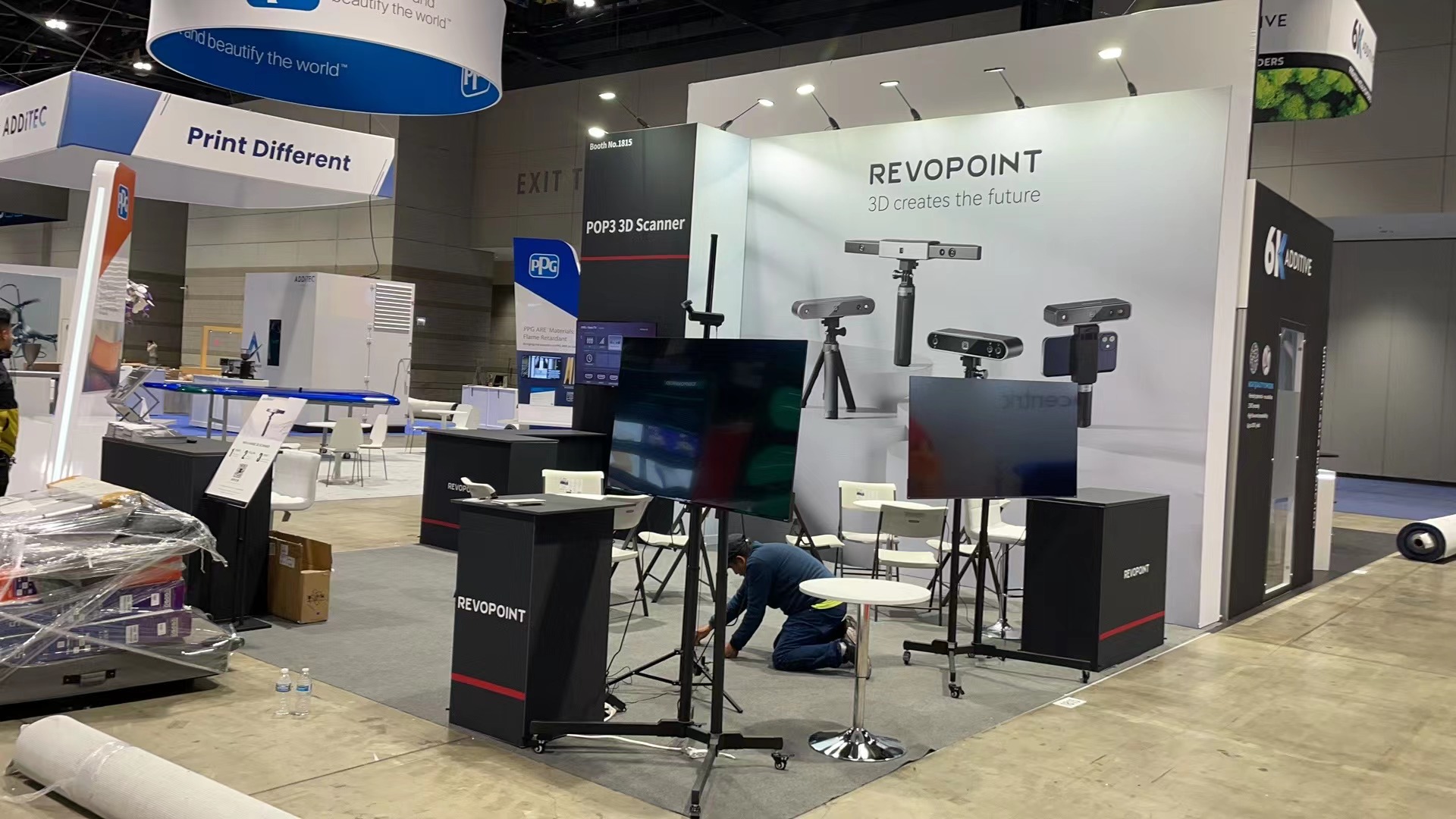 RAPID and TCT America Stand De Nov 14,2023
 RAPID and TCT America Stand De Nov 14,2023
 SupplySide Show America Stand Nov 13,2023
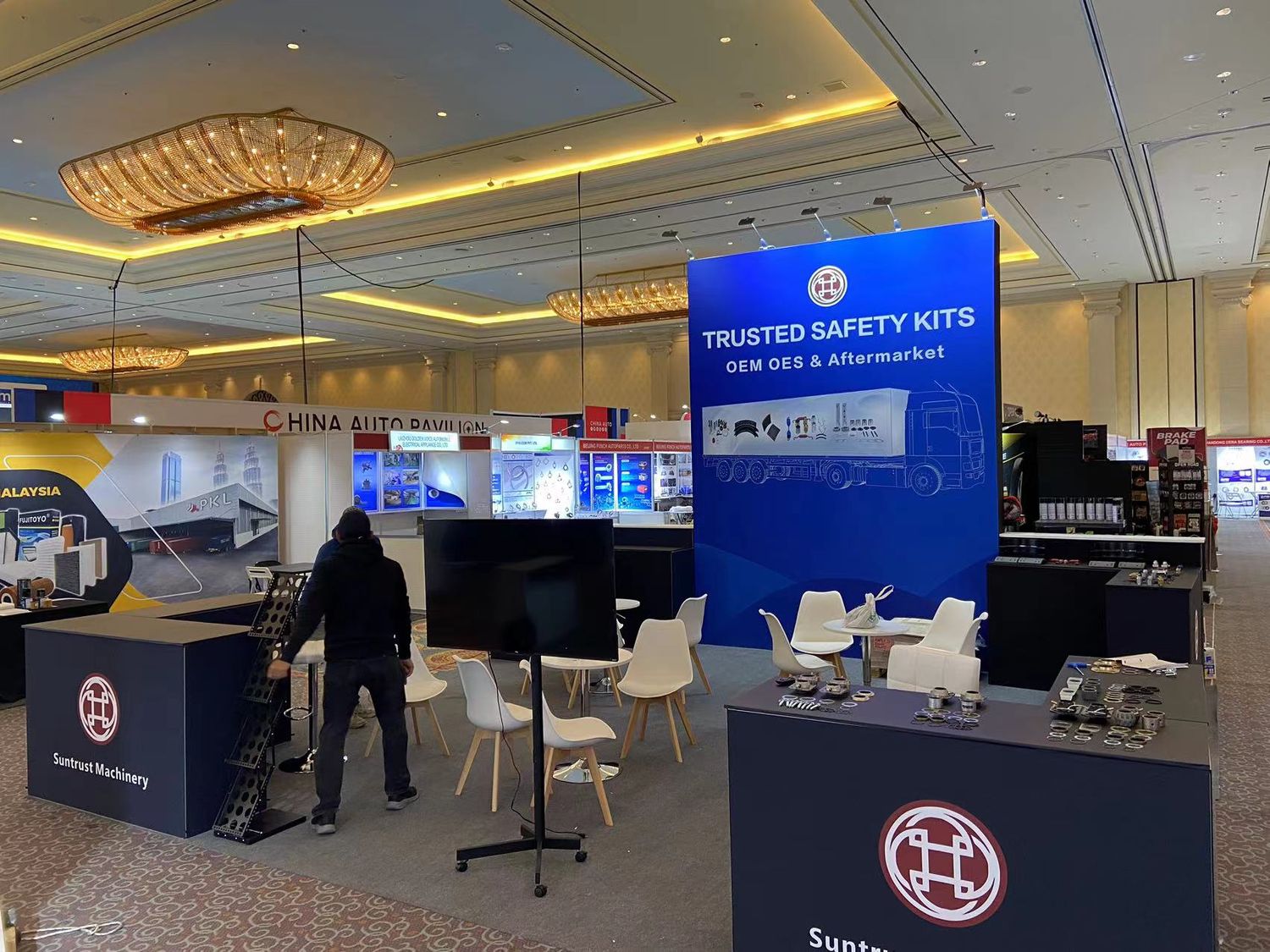 APPEX America Stand Design an Nov 01,2023
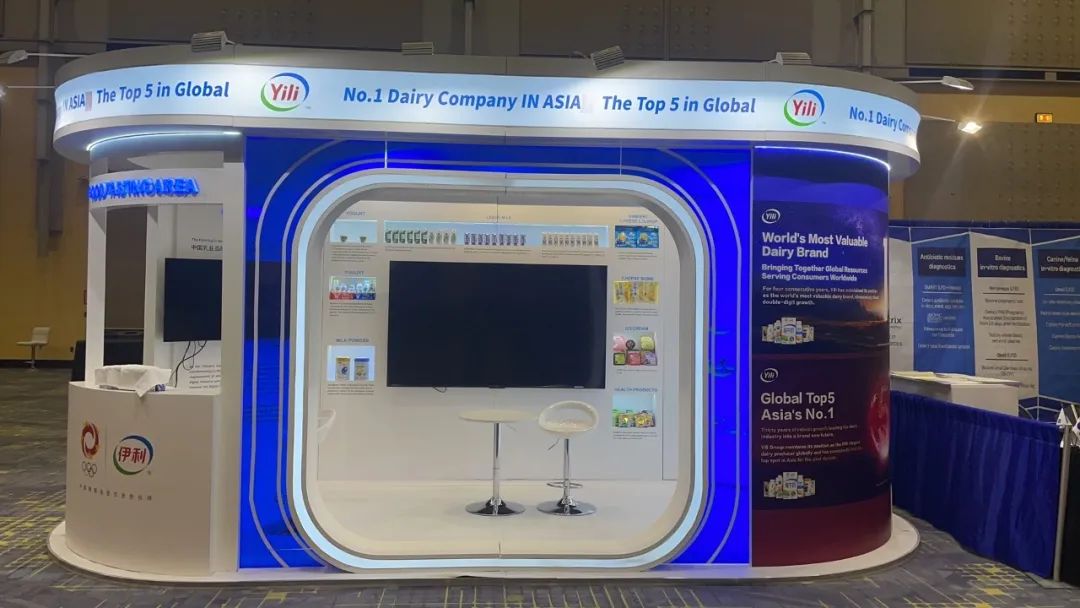 2023idf Stand Design and Build Oct 31,2023