Why German Booth Design Excels: Unveiling How Detail-Oriented Strategies Elevate Brand Identity
In today’s competitive exhibition landscape, German booth design stands out as a gold standard for blending functionality, aesthetics, and brand storytelling. This article explores the meticulous design principles and strategic nuances that make German booths exceptional, offering actionable insights for businesses aiming to enhance their brand presence.

1. Precision in Purpose: Aligning Design with Brand Vision
German booth design begins with a laser-focused alignment of aesthetics and brand objectives. Unlike generic setups, every element—from color schemes to spatial layouts—serves to communicate the brand’s core values. For instance, the AVS Römer booth at HOTELEX 2025 (Hall 1.2H A18) exemplifies this principle. By showcasing high-precision fluid control components like media-separated solenoid valves and sensors, the design visually reinforced the brand’s commitment to innovation and reliability.
Key strategies include:
Brand-Centric Visual Language: Consistent use of brand colors, logos, and cultural motifs (e.g., minimalist German engineering aesthetics) to create instant recognition.
Narrative-Driven Layouts: Spaces are structured to guide visitors through a curated journey, from product demos to interactive zones, ensuring seamless storytelling.
2. Spatial Intelligence: Maximizing Functionality and Flow
German designers excel at optimizing limited exhibition space through ergonomic layouts and visitor-centric flow. The redesign of RTL’s Berlin headquarters by Evolution Design highlights this approach. By integrating “fast-collaboration” areas (e.g., coffee bars and podcast studios) adjacent to workspaces, the design fostered spontaneous interactions while maintaining efficiency—a principle equally applicable to exhibition booths.
Core elements include:
Dynamic Zoning: Strategic placement of product displays, meeting pods, and lounge areas to balance engagement and privacy.
Vertical Utilization: Multi-level structures or suspended installations (e.g., AVS Römer’s double-height reception area) to enhance visual impact without compromising floor space.
3. Material Mastery: Quality and Sustainability as Brand Pillars
German design philosophy prioritizes durability and eco-consciousness, which translate into booth materials that reflect brand integrity. For example, Bosch’s use of premium, recyclable metals in their exhibits not only underscores their engineering prowess but also aligns with their sustainability commitments.
Key considerations:
High-Performance Materials: Stainless steel, tempered glass, and modular components ensure longevity and ease of reassembly across events.
Sustainable Choices: Biodegradable fabrics and energy-efficient lighting (e.g., LED panels) reduce environmental impact while reinforcing ethical brand values.
4. Technological Integration: Enhancing Engagement Through Innovation
German booths leverage cutting-edge technology to create immersive experiences. Coca-Cola’s global campaigns, though not German in origin, share a design ethos adopted by German brands: using AR/VR for interactive storytelling. For instance, AVS Römer’s sensor-driven product demos allowed visitors to “test” fluid control systems digitally, merging education with engagement.
Innovative tools:
Digital Touchpoints: Interactive screens for real-time product customization or data visualization.
Smart Lighting: Adaptive LED systems that adjust ambiance based on visitor density or presentation schedules.
5. Case Study: AVS Römer at HOTELEX 2025
AVS Römer’s booth (1.2H A18) serves as a blueprint for German design excellence:
Modular Design: Prefabricated components enabled rapid assembly, adhering to strict timelines.
Branded Story Zones: Dedicated areas for hygienic fittings (F&B industry) and intelligent sensors (coffee machines) highlighted niche expertise.
Cost Efficiency: Budget caps on photography (50–100 RMB per shoot) ensured resource allocation prioritized high-impact elements.
The German Design Edge
German booth design thrives on a triad of precision, purpose, and innovation. By embedding brand DNA into every detail—from material choices to visitor flow—these setups transcend mere exhibition spaces, becoming powerful tools for brand elevation. For businesses, adopting these principles means not just standing out at trade shows but forging lasting connections with audiences.
Recent News
-
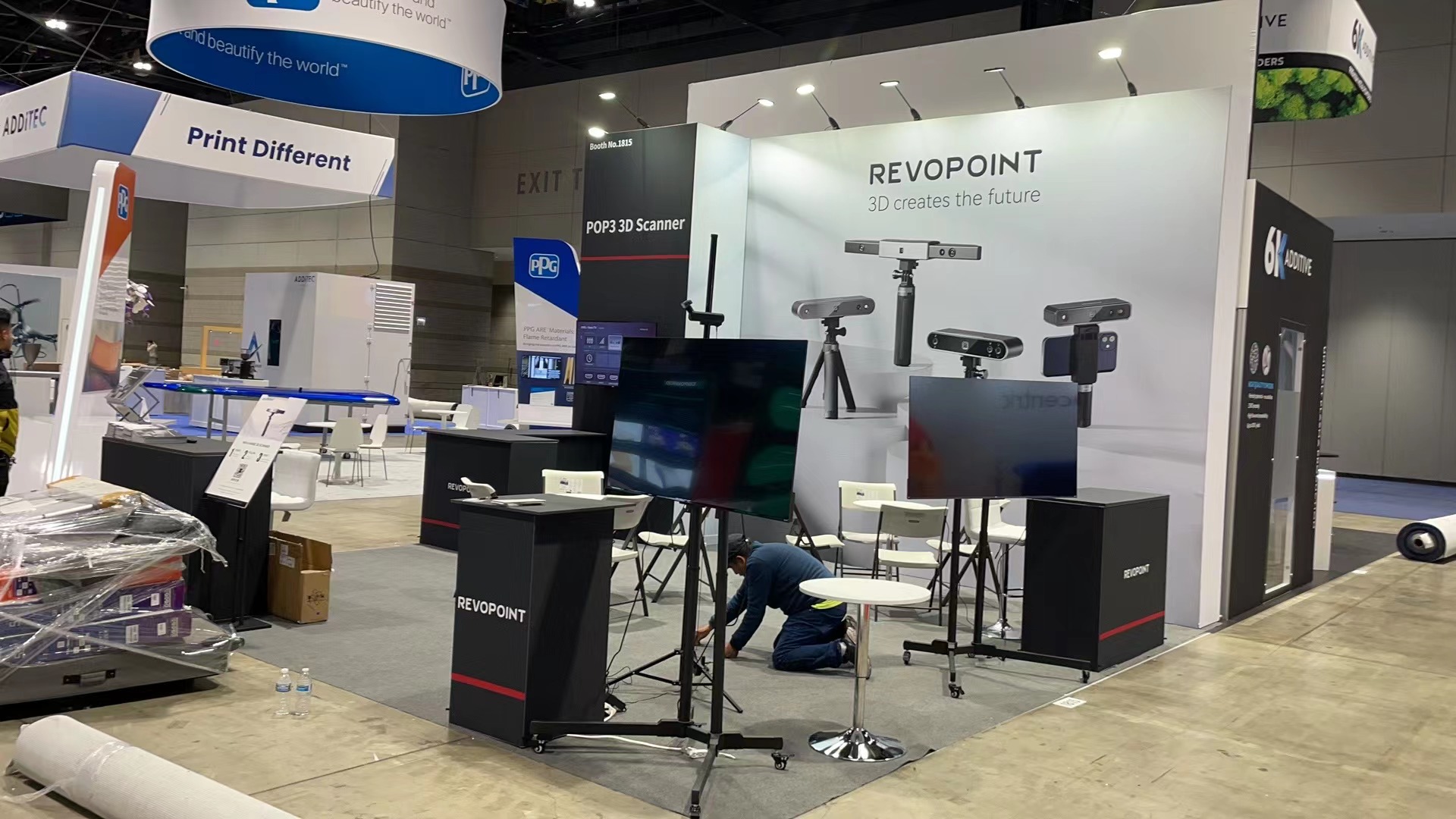 RAPID and TCT America Stand De Nov 14,2023
-
 RAPID and TCT America Stand De Nov 14,2023
-
 SupplySide Show America Stand Nov 13,2023
-
 APPEX America Stand Design an Nov 01,2023
-
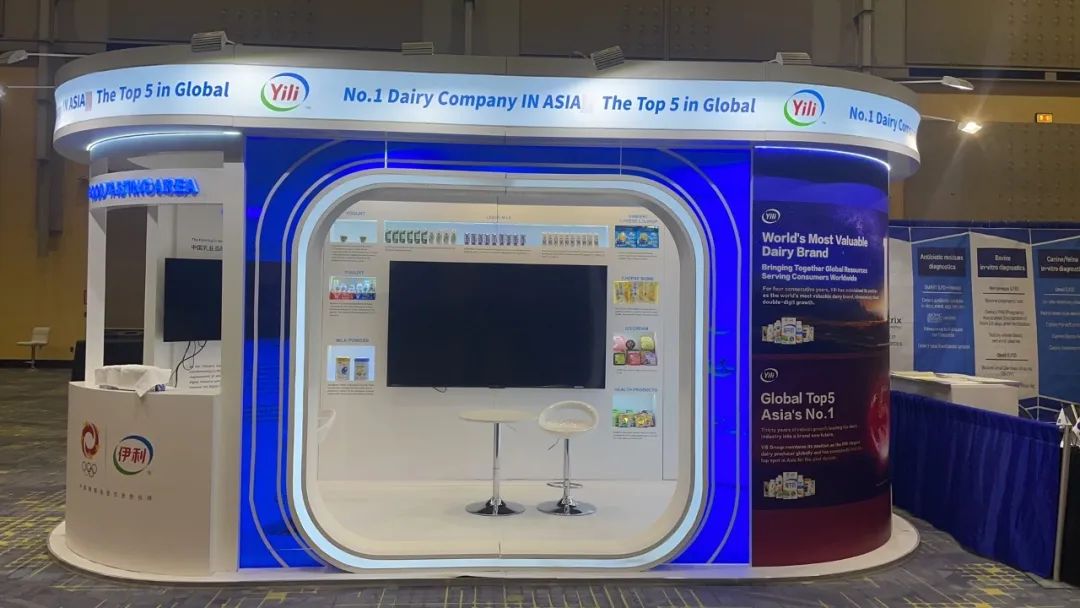 2023idf Stand Design and Build Oct 31,2023