Exhibition Stand Contractor: Vetting Capability, Contracts and Site Compliance
The contract for your stand is usually signed with a salesperson, and the work on the floor is done by people you have never met. That gap — between the company that signs and the crew that builds — is where most exhibition disasters originate, and it is almost never visible in a proposal deck.
An exhibition stand contractor is not simply a builder with a different job title. The contractor is the party that carries legal responsibility for what happens inside the hall: the structure standing up, the electrics being safe, the crew being insured, the waste leaving with a licensed carrier, and the stand being signed over to you before the doors open. Design can be beautiful and production can be flawless; if the contractor relationship is loose, none of it matters on move-in day.
This article is about that relationship. It covers the documents a genuine exhibition stand contractor can produce on request, the access rules that differ by country, the contract clauses that decide who pays when something goes wrong, and the handover checks that protect you in the final hour.
Contractor, builder, fitter, official stand builder — the labels are not interchangeable
Four terms get used loosely, and each carries different liability:
Design agency. Owns the concept. Has no site liability and no crew.
Fabricator. Builds to drawings. Liability typically ends at the loading dock.
Exhibition stand contractor. Carries the build, the site works and the compliance obligations: risk assessments, method statements, insurances, permits, labor, waste, handover.
Official stand contractor. A contractor appointed or approved by the venue or organizer, often with priority access, on-site offices and, in some halls, a monopoly on certain services such as rigging or electrical connection.
The distinction that costs exhibitors most is the third versus the fourth. In many venues, a non-official contractor can still work — but only with an approval, an insurance certificate on file and, sometimes, a deposit or supervision fee. Turn up without those and the stand does not get built, regardless of what your contract says. In the U.S., this role is formalized as the Exhibitor Appointed Contractor (EAC); in the U.K. and Germany, the equivalent is a recognized contractor list with an approval process per venue.
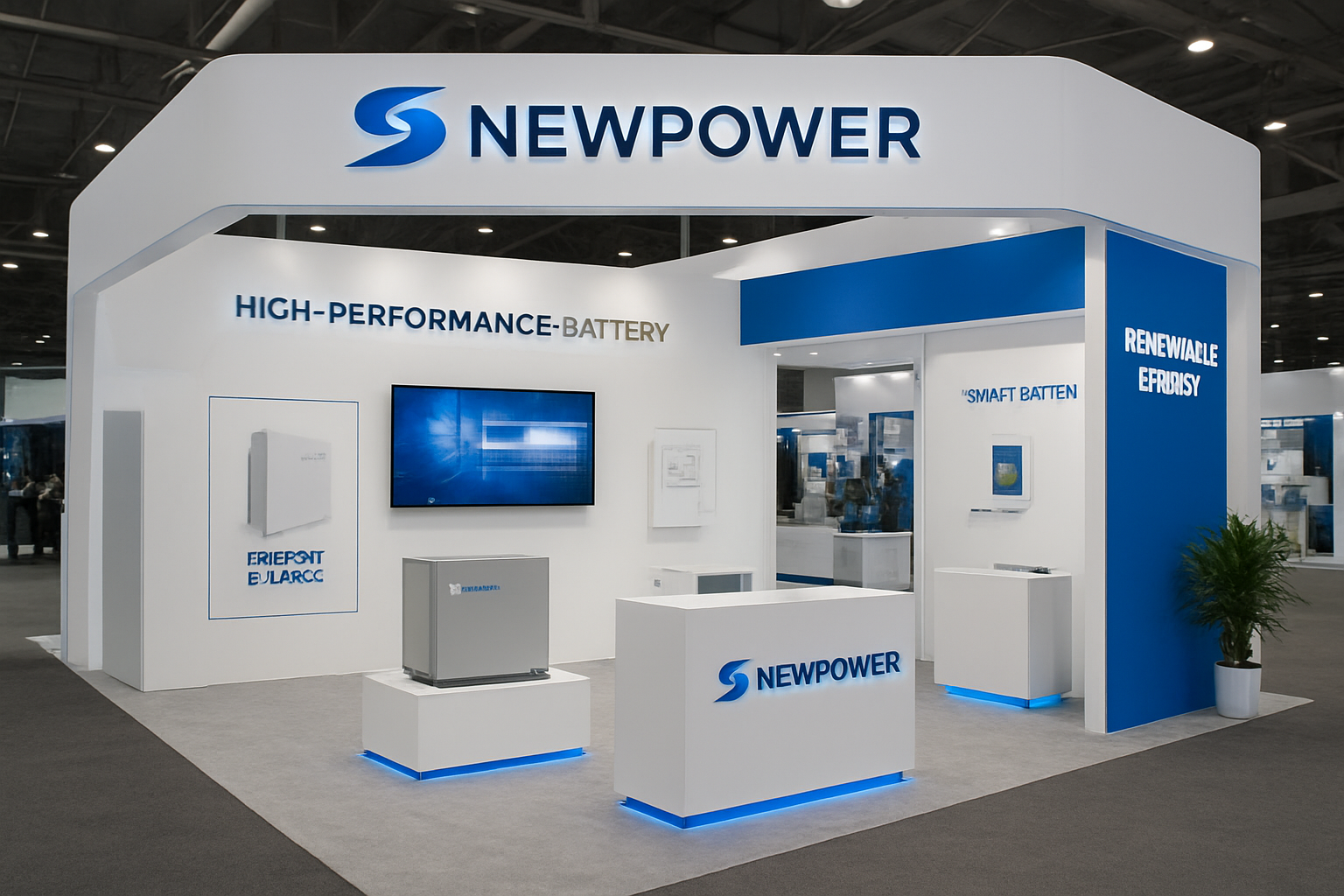
New Power Exhibition operates as a contractor, not a broker: our own production facility in Shenzhen, our own installation teams traveling to the venue, and local partners where the hall requires approved status. We tell clients which of the three applies before signing, because it changes the access paperwork, not just the price. If you are still deciding between delivery models, the trade show booth builder guide covers that comparison; this article assumes the contractor is already chosen and the question is how to hold them accountable.
The documents a real contractor can hand you today
Ask for this set before contract signature, not two weeks before the show. An exhibition stand contractor who does this weekly has all of it in a folder already.
| Document | What it proves | Why the venue asks |
|---|---|---|
| RAMS (risk assessment and method statement) | The contractor has identified hazards and defined safe working methods for this specific build | Most European and U.K. venues refuse access without it; increasingly required in the Gulf |
| Public liability insurance | Third-party injury or property damage cover, usually at a level set by the venue | Certificate with the venue or organizer named as interested party is often mandatory |
| Employer's liability / workers' compensation | The crew is covered if injured on site | Venues and organizers check this to avoid liability exposure |
| Electrical competence certification | Whoever connects power is qualified in that jurisdiction | Only licensed electricians may make final connections in most halls |
| Working-at-height and MEWP operator cards | Competence for towers, platforms and suspended work | Rigging and high-level graphics work is restricted to cardholders |
| Material fire retardancy certificates | Panels, fabrics and graphics meet the hall's fire standard | Fire marshal inspection can stop a build that fails this |
| Waste carrier registration | Debris is removed by a licensed operator | Illegal fly-tipping liability can fall back on the exhibitor |
| Structural calculations or statics | The design is engineered, not just drawn | Required in Germany and for any suspended or multi-level structure |
Two practical notes. First, certificates must be valid for the show dates, not the quotation date; policies lapse. Second, the insurance certificate should name the correct legal entity. A group parent company's policy often does not satisfy a venue asking about the specific contracting entity.
Approved contractor status and the access rules that follow
Access rules are the single most common reason an otherwise capable contractor fails on site.
United States. The EAC process requires the exhibitor to notify the organizer by a published deadline — frequently 30 to 60 days before the show — and the contractor must submit a certificate of insurance and agree to the venue's rules. Miss the deadline and the official contractor does the work, at official contractor rates. Labor jurisdiction adds a second layer: material handling, electrical and rigging may be reserved to union crews, which is why we maintain a venue labor rule directory for U.S. halls.
Germany and continental Europe. Stand approval is a formal submission with drawings, structural documentation and material specifications, reviewed by the venue's technical department. Height, sightlines, fire compartments and load limits are enforced. A contractor who has never submitted in that hall will usually underestimate the cycle by a week or two — enough to force a redesign. Our Europe project archive reflects how those submissions actually run.
United Kingdom. Venues publish approved contractor lists; non-listed contractors need approval, insurance evidence and sometimes a supervision fee. Electrical work is typically restricted to the venue's appointed electrical contractor.
Middle East and parts of Asia. Local licensing, customs bonding and free-zone rules govern the schedule more than construction does. A contractor without a local entity or established partner will lose days at the port.
The lesson for exhibitors: ask an exhibition stand contractor to name the specific approval route for your specific hall, and the deadline attached to it. A general answer — "we handle all paperwork" — is a warning, not a reassurance.
What the contract has to nail down
Most disputes with an exhibition stand contractor are not about workmanship. They are about a clause that was never written.
| Clause | What it must say | What goes wrong without it |
|---|---|---|
| Scope and drawing revision | Reference the exact drawing revision number and date; state what is included and excluded | The contractor builds revision B; you expected C, and both are "correct" |
| Variation mechanism | Written approval required before extra work; hourly or unit rates stated in advance | Every site fix becomes a negotiation with no rate card |
| Third-party costs | Venue fees, power, rigging, waste shown as estimates settled at actuals | A "fixed" venue fee becomes a surcharge after the show |
| Handover definition | Specific date, time and condition that counts as delivery | The stand is 90% complete at opening; nobody agrees when delivery was due |
| Liability and insurance | Cover levels, who insures what, and whether the exhibitor's own exhibits are covered | Your products are damaged and neither policy responds |
| Defects during the show | Response time and remedy for failures during show days | A dead light panel stays dead for four days |
| Payment and retention | Milestones tied to deliverables, not just dates | Full payment before handover removes your leverage |
| Cancellation and postponement | What is refundable at each stage of production | The show is postponed and the deposit is gone |
| Design ownership | Who owns the drawings and whether they can be reused | You pay for a design you cannot take to another contractor next year |
Two clauses deserve particular attention for international work. Currency and payment timing: overseas projects typically require a high deposit because materials, factory slots and crew must be committed early — that is normal, but the milestone schedule should still tie the balance to a verifiable stage. Governing law and dispute forum: if the contractor is offshore and the show is in Europe, decide in advance which jurisdiction applies, or a small dispute becomes practically unenforceable.
Who is actually on the floor
Ask for the site organization chart, by name. Three questions expose most subcontracting risk:
Who is the on-site supervisor, and do they have authority to spend money to fix a problem without calling an office in another time zone?
How many tiers of subcontracting sit between the contract and the crew?
Which parts are subcontracted — structure, electrics, graphics, furniture, rigging — and who is accountable for each?
Deep subcontracting is not inherently bad; specialist rigging and electrical work is normally subcontracted. It becomes a problem when nobody on site can make a decision, or when each tier adds a handoff that a five-day build cannot absorb. An exhibition stand contractor who answers these three questions precisely is telling you they have run this project shape before.
Site behaviour: induction, permits, and the rules that stop a build
Compliance on site is procedural, and procedures have queues. Build these into the schedule:
Site induction. Mandatory in most European and U.K. venues before any work starts; takes 30–60 minutes per person and cannot be skipped.
Permit to work. Required for hot works, confined spaces and some high-level access. Issued by the venue, not the contractor.
MEWP and tower authorization. Operators must hold cards accepted locally; a home-country card is not always recognized.
Electrical connection. Final connections are made by licensed personnel, often the venue's appointed contractor, on the venue's schedule — not when your crew is ready.
Waste segregation. Most halls require segregated waste and charge for removal; abandoned materials can be invoiced back to the exhibitor.
Noise and night-work restrictions. Overtime windows are set by the venue, and unauthorized night work can halt the build.
None of these are optional, and all of them consume time you probably did not budget. An exhibition stand contractor who plans move-in as "two days of building" rather than "two days of building plus six procedural gates" will run late.
Handover, snagging, and the thirty minutes that decide your show
Handover should be a documented event, not a phone call. Insist on a walkthrough with a written checklist covering:
Structure complete to approved drawings, all fixings and trims finished
All lighting circuits tested and aimed; spares available on site
Power at every agreed point, labeled, with capacity confirmed
Graphics installed, clean, and free of visible seams or damage
Flooring laid, edges finished, no trip hazards
Counters, storage and furniture placed as per plan
Cleaning complete, waste removed, crates stored or collected
Fire certificates available if inspected
Snag list agreed in writing, with a named person and a time to fix
Photograph the completed stand before opening. It is the only reliable record if a dispute arises about condition at handover, and it costs nothing.
Five failure modes we are called in to fix
Across projects taken over from other contractors, these recur:
No approved status at the venue. The crew is turned away at the loading dock; the exhibitor pays official contractor rates for a stand already fabricated.
RAMS produced after arrival. Access is delayed by a day, which is unrecoverable in a three-day build.
Subcontracting depth with no decision-maker. Every site issue waits for an email reply across eight time zones.
Power and rigging ordered late. These deadlines are earlier than most exhibitors expect, and misses are not negotiable.
Undocumented handover. Damage or defects during the show are disputed because nobody agreed what "complete" looked like.
Four of the five are paperwork failures, not building failures. That is the nature of this trade: the construction is the visible part, the compliance is what determines whether construction happens at all.
Due diligence checklist
Before signing an exhibition stand contractor:
RAMS template reviewed, not just promised
Insurance certificates valid for show dates, correct legal entity
Named approval route and deadline for this specific venue
Site supervisor named, with on-site spending authority
Subcontracting scope disclosed in writing
Power, rigging and waste deadlines listed with owners
Contract references drawing revision numbers
Handover definition and snag process written into the contract
Two references from the same venue or region
Clear statement of exclusions
What to send us for a contractor quote
We quote from documents, not adjectives:
Floor plan with dimensions, open sides and aisle orientation
The exhibitor manual or technical regulations for the hall
Your design files, or a reference image plus a short brief
Show name, venue, city, dates and the published move-in window
Whether you need official-contractor services (rigging, power, handling)
Brand guidelines covering color, logo clear space and mandatory elements
Send those six items and we can confirm the approval route, the procedure deadlines, and a structured quotation within two to three working days. If the venue requires official contractor status we do not hold, we will say so before quoting rather than after. Start with our stand design and build services or review the completed project archive.
Send your floor plan or exhibitor manual → Contact us with the show name. We will tell you what your timeline can actually absorb.
FAQ
What is an exhibition stand contractor responsible for?
Build, site works and compliance: risk assessments and method statements, insurances, venue permits, labor, electrical connection coordination, waste removal and handover. Design and fabrication may be included or bought separately; liability for what stands in the hall sits with the contractor.
What insurance should an exhibition stand contractor carry?
At minimum public liability and employer's liability, at levels set by the venue and organizer, with certificates valid for the show dates and naming the correct legal entity. Some halls also require the exhibitor to appear as an interested party.
What is RAMS and why do venues demand it?
A risk assessment and method statement: the hazards identified for this specific build and the safe method for each task. Venues use it to confirm the contractor has planned for working at height, hot works, electrical work and manual handling before granting access.
What is an Exhibitor Appointed Contractor?
In the U.S., an EAC is a contractor chosen by the exhibitor rather than the organizer. The exhibitor must notify the organizer by a published deadline and the contractor must submit insurance and agree to venue rules. Missing that deadline usually means the official contractor performs the work.
Can a contractor work in a venue where they are not approved?
Often yes, with an approval process, insurance on file and sometimes a supervision fee. Some halls reserve specific services — rigging, electrical, material handling — to official contractors regardless. Confirm the route for your specific venue before fabrication starts.
Who is liable if the stand fails during the show?
Liability follows the contract and the insurance policies. A well-drafted contract defines handover condition, defect response times during show days, and the remedy for failures. Without a documented handover and snag list, proving responsibility becomes a negotiation rather than a claim.
How early should the contractor be appointed?
For a custom international build, 14 to 16 weeks before the show, because approval deadlines, fabrication and freight all sit inside that window. The contractor should be appointed early enough to submit venue paperwork — that deadline usually arrives a month before move-in.
Recent News
-
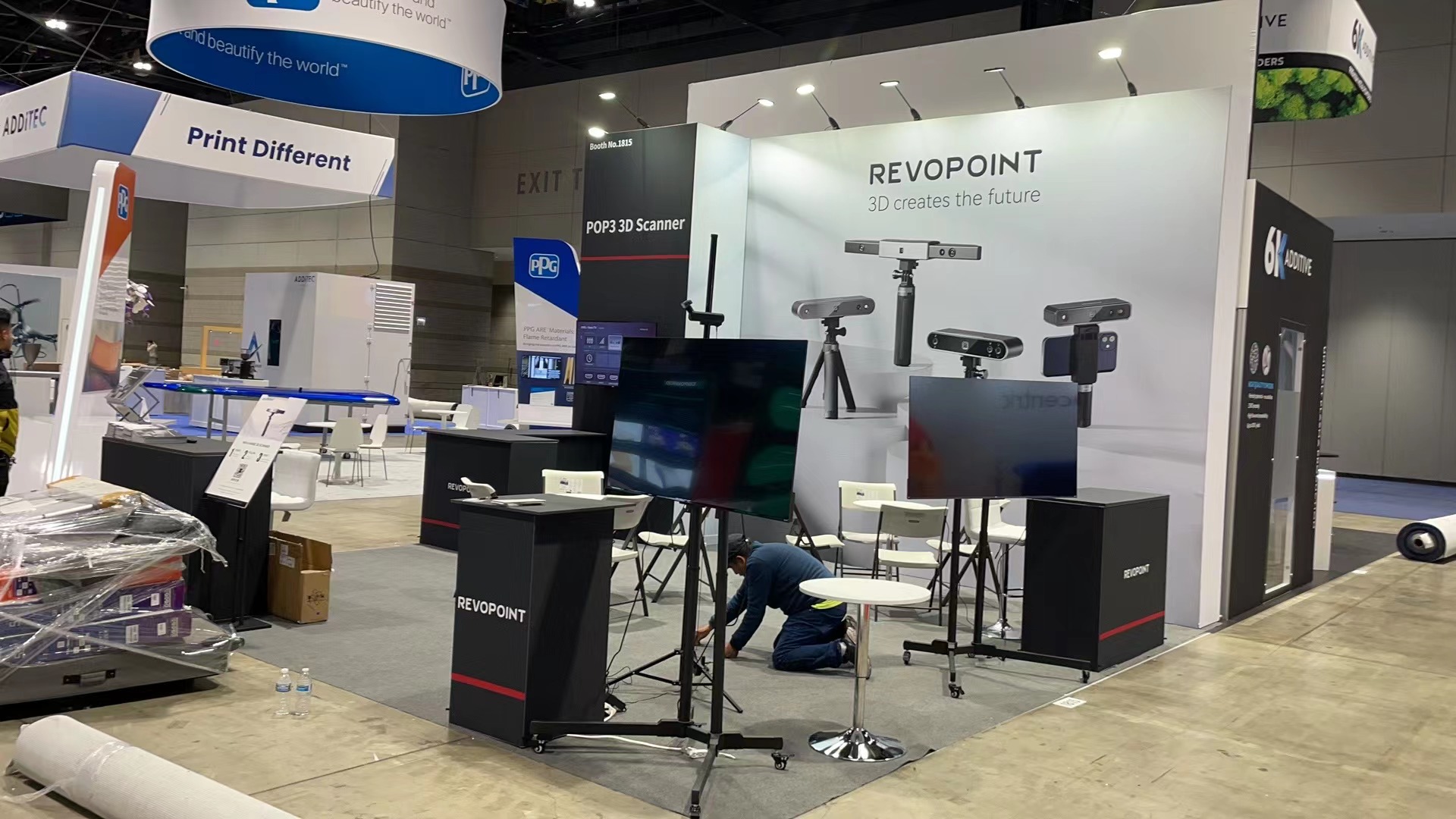 RAPID and TCT America Stand De Nov 14,2023
-
 RAPID and TCT America Stand De Nov 14,2023
-
 SupplySide Show America Stand Nov 13,2023
-
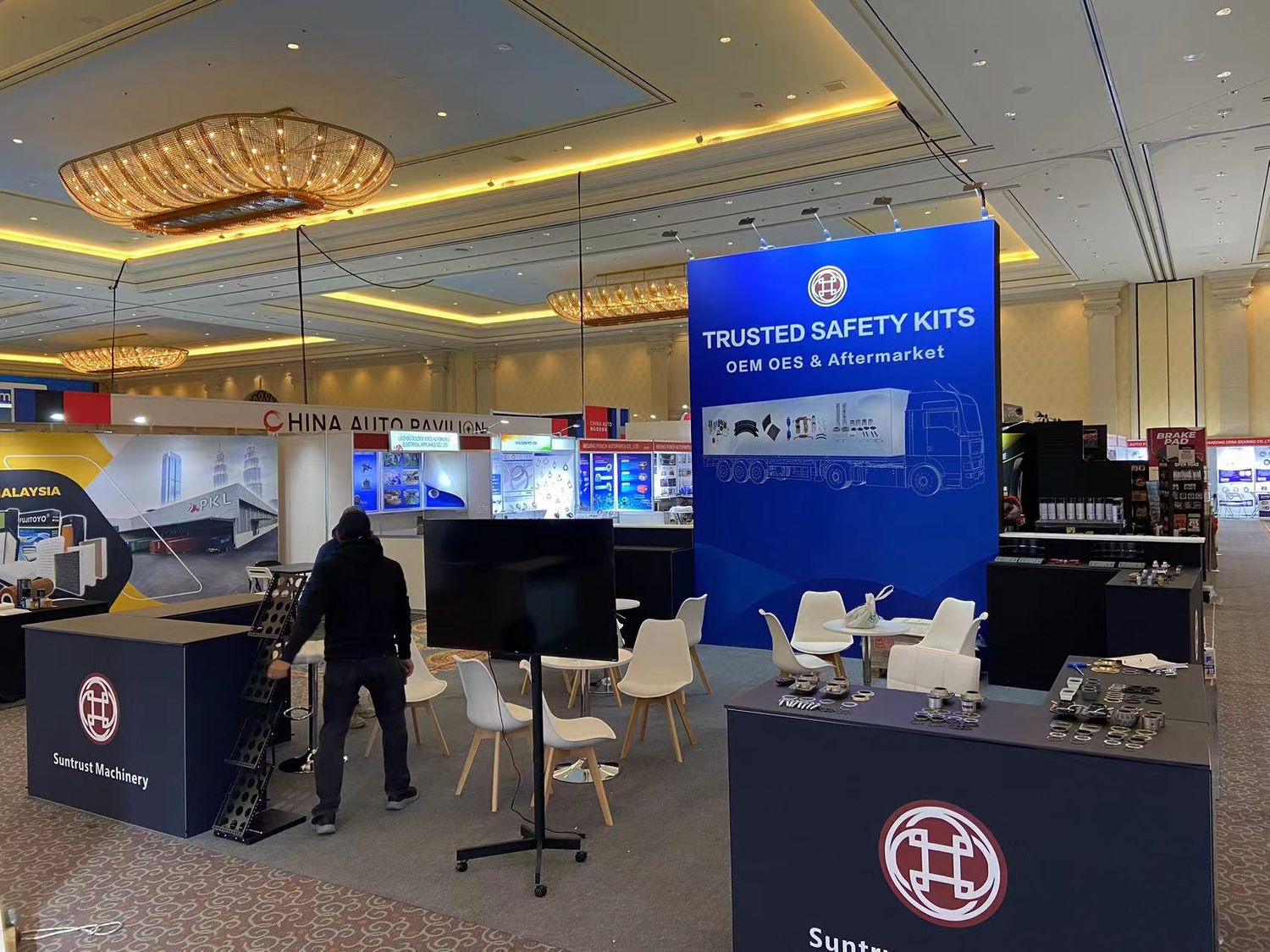 APPEX America Stand Design an Nov 01,2023
-
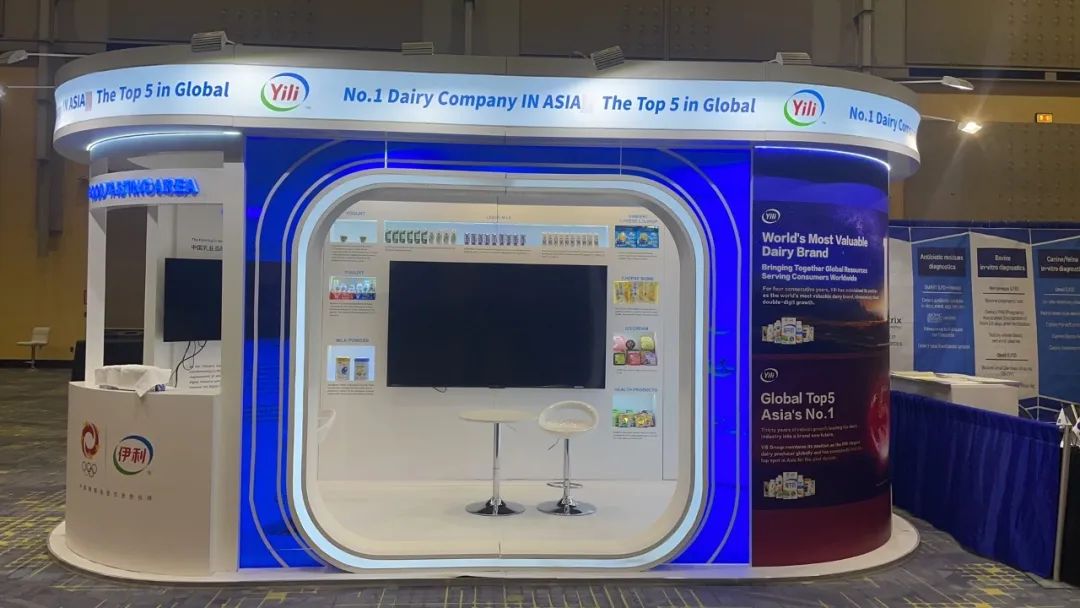 2023idf Stand Design and Build Oct 31,2023